How Dr. Hassan Tetteh Overcame Rejection to Become a Top Thoracic Surgeon
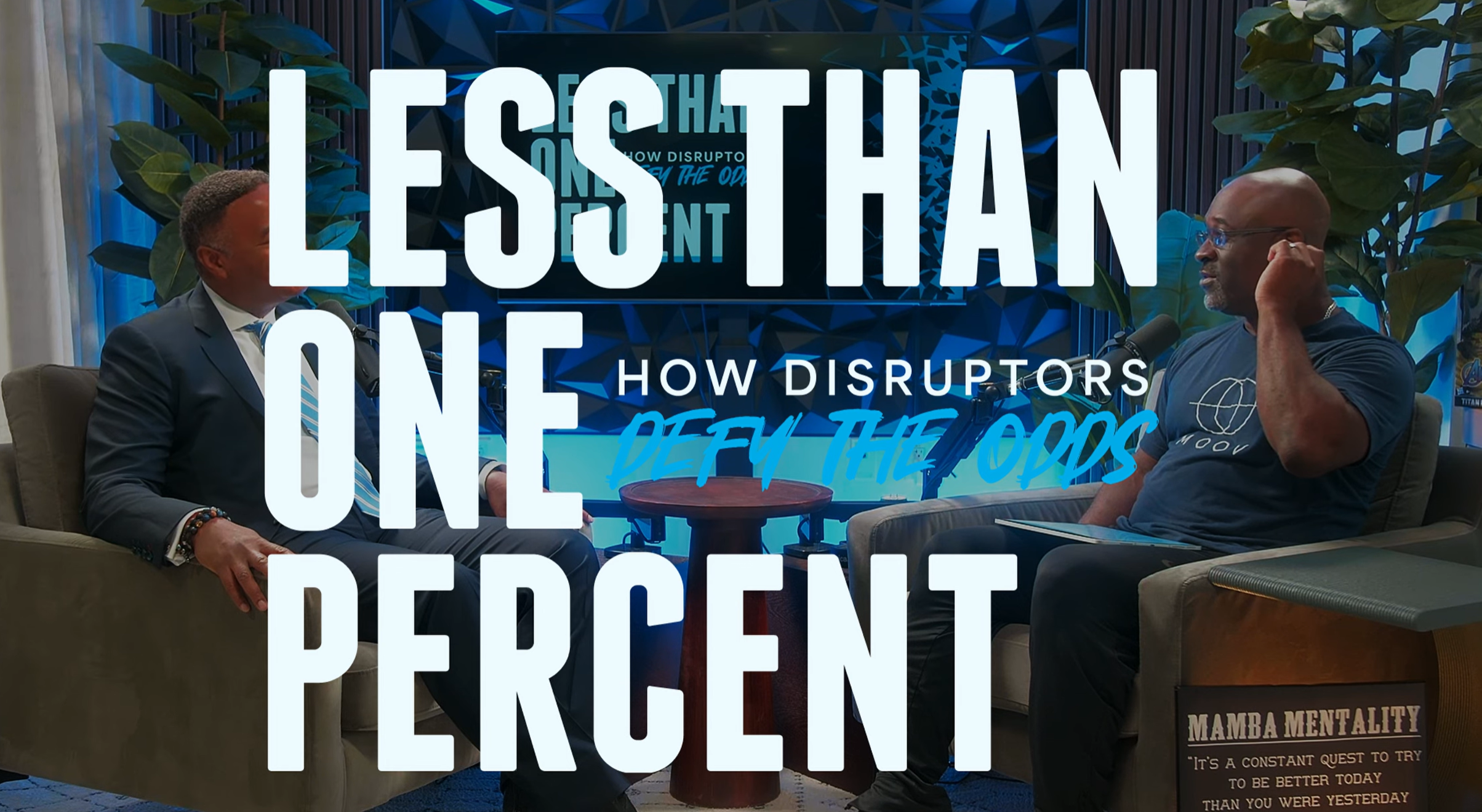
What do graffiti, heart surgery, and AI innovation have in common? Dr. Hassan Tetteh.
In this powerhouse episode, retired U.S. Navy Captain, thoracic surgeon, and author Dr. Hassan Tetteh joins Imamu Tomlinson, MD to talk about defying expectations, from tagging walls in 1980s New York to becoming one of the top minds in cardiac surgery today. Dr. Tetteh shares how rejection, cultural expectations, and one discouraging dean fueled his ambition to succeed.
They unpack how AI is shaping the future of healthcare, why lifelong learning is non-negotiable, and why humanity must guide how we innovate. You’ll also get a sneak peek into his upcoming book, Smarter Healthcare with AI, and discover the superpower his wife knows best.
This is how Dr. Hassan Tetteh disrupted medicine with resilience, vision, and heart.
Also listen on:


Timestamps
Transcript

2:04
you know, welcome. I thank you. Thank you so much for coming. Um, I really
2:09
appreciate you. I realize how deficient I am as an as a human being every time I
2:15
see what you've done. So I'm I'm you know before before you know I should let him speak but before you speak retired
2:22
US Navy captain associate professor of surgery adjunct faculty at Howard
2:27
College of Medicine emerging leader in health and medicine scholar uh member of the strategic plan committee for uh the
2:34
NAM uh strategic plan for 2024 2028 thoracic surgeon at Nova Health CEO
2:42
human care technologies founder and former do I I mean this founder and principal. I mean, you have
2:49
it's a lot. It's a lot of I mean, this is this is this is crazy. You've lived like four lifetimes. Um and and we'll
2:56
talk later about um your books and you have a new book coming out, but welcome. Welcome. Thank you, Mu. Thank you so
3:03
much. Kind introduction. uh you know almost uh
3:09
unreal actually you know to to think about some of the things um hearing your
3:15
story and um and let me stay at the outset I want to be like you when I grow up you
3:21
serious you know hear your story about having a coach I've had coaches in my life I still have coaches in my life I
3:27
have a few coaches now uh because I'm trying to to to do this Iron Man so I have a whole bunch of coaches but I've
3:33
had coaches all my life And you know, coaches are good because they they kind of give you this feedback, you know, and
3:38
and I've always wanted to be a CEO and and I know a long time ago like a you can't do that. So to hear your story and
3:46
and to see where you are right now and leading this great organization that I've come to know, you know, Vuiti,
3:53
amazing. I mean, and and your leadership is absolutely defining and and in so
3:58
many ways very inspiring. So I just want to make sure we level set that. So, uh, thank you for the invitation. I
4:05
appreciate you. So, so you you you would you call yourself a disruptor? I
4:10
think so. Uh, you know, probably not intentionally at first, but looking at
4:16
the arc of, you know, things I've done, um, yeah, absolutely. Uh, but maybe not
4:22
intending to do so initially, right? Uh, it became something that I realized was
4:27
was happening, right? You know, right? you know, probably after the fact. Oh,
4:33
okay. Right. All right. That that did something totally different. Like, but see, but see, you're not We left We have
4:38
a long list of accomplishments. But Jordan, you you you actually told me
4:43
about one of the list of accomplishments that we didn't put on there. Do you do you remember is his first love? Um Oh,
4:50
yeah. Yeah. Yeah. Yeah. I heard uh we had a conversation. Yeah. And you were telling me you wanted to be a graffiti
4:57
artist. Yeah. I was a graffiti artist. I mean, I didn't know if there was a profession for a graffiti artist, but
5:03
that was my passion. I grew up in New York in the in the 80s and 90s, you
5:08
know, running the streets and going on a train. I mean, for those of us that grew up in New York or remember seeing images
5:14
of New York back then, you saw graffiti that, you know, people like, "Oh, that's terrible." But, you know, for those of
5:20
us that were in that world, that was it was our way of communicating. And
5:26
think about it like this is before Twitter, this before Facebook. I mean, but graffiti art in New York, you could
5:31
see somebody's iconic like work like, "Oh, that guy's that guy's nice. He's
5:36
dope. He's amazing. So talented, you know, and and then you, you know, you have it on this moving
5:43
subway that takes you through all the five burrows and your work is out there like that. And you know, as you're growing up, you get to know some of
5:49
these artists and sometimes you meet them. And you know, we're all aspiring, you know, my group uh to be better, you
5:56
know, and and we we sort of supported each other and like, ah, that that doesn't look right. You know, you need to you need to do something different.
6:02
But what we were doing really was we were creating, we're communicating, we were expressing ourselves and yeah, not
6:09
everybody liked it obviously, and you know, a lot of it got um got taken away.
6:14
Uh but that art form was was one of my very early ways of communicating and
6:20
expressing myself. And of course uh you know we we we have uh you know similar parental upbringings where they have
6:27
high expectations for you. And in my case I have uh West African immigrant parents. Both now have passed away
6:33
unfortunately. But my dad uh I remember I brought my very very I was very proud
6:39
I got accepted to Art and Design High School in New York City. You know big deal. It was a big deal. You had to you
6:45
had to go there. We had to do live, you know, a live uh drawing of a a live a live model. We had to do a still. We had
6:52
to have our portfolio and I'd worked on it all these months and I had my stuff, you know, and I had to I had to expand outside of graffiti art. I couldn't just
6:58
show them graffiti art. So, I had to show them real art. I got accepted, man. I got accepted. So, I was like, so I for
7:04
me it was like a validation. It wasn't just my boys and the people I grew up with saying, "Oh, that's nice, Hassan.
7:10
This is like this was an institution." Art Design High School said, "Yes, we want you. We see something in you.
7:16
You're an artist. You have potential." I brought it to my dad. He's like, "You're not going to art school. You're not
7:22
going to make any money as an artist." Well, I mean, I mean, you kind It kind
7:28
of worked out. It kind of worked out. It kind of worked out. It's interesting though, like we have similar histories.
7:33
Uh, you know, we were talking earlier. Um, you know, I was I was I was I thought I was going to be a rapper, you
7:39
know, like that was my thing. Like I really was like, you know, you know, and I'm laughing cuz you could feel the
7:46
emotion of the moment. Of course, you know, like like the thing about it is that when you really want something
7:52
Yeah. you can't you you're imagining the outcome, you know, and I was like on the
7:58
stage with in my mind um we actually got on the stage a few times. Yeah. Yeah. Right. But it's interesting though that
8:04
you know it was art, graffiti, right? which is kind of an extension of hip-hop, you know, the culture in New
8:10
York at that time. You know, for me that my version was mixtapz, right? You know, there wasn't, you know, Spotify and
8:17
Apple and all that stuff. You know, if you could get your message out, you know, through your music. So, it's
8:23
interesting that now here many years later, um we're getting our message out
8:28
in a different way to the different venues. So, that that's that's truly awesome. Yeah. You know, I I actually if
8:35
uh uh if there's anyone with that vid a video of Moo on stage listening out there, uh the contact information will
8:42
be at the end of this. Hey, somebody somebody mute Jordan's mic. I mean, clearly move the crowd. Yeah. So, yeah,
8:49
I think um in leadership, I mean, I think a lot of these different things. It's interesting. So, I write about um
8:55
Toronto. So Toronto, where I'm where I'm from, had a a graffiti problem. And what
9:00
they were doing was what what New York did back in the 80s, which is you just clean it. You just clean it and you paint it down. And they couldn't paint
9:07
it faster than everybody else's painting. You know, back to what I was talking about with boxes, right? They
9:12
were just trying to get better faster than everybody else is getting better so they don't get worse. So they and the graffiti artists were out there in the
9:18
middle of the night painting faster than they could even clean it. But they took a different approach. they decided to
9:24
actually treat it as art. And so this is something that would have benefited you where they say, "Okay, you're going to
9:30
paint this, you know, subway car, so let's let's let's go ahead and and
9:36
that's your car. You know, we'll go through a process to make sure that you can um that you have the right to paint
9:42
it, right?" And now they don't have a graffiti problem. And you walk through the city and you see all these beautiful, amazing artists that probably
9:48
wouldn't have had a venue. So, it's interesting, right, to be disruptive, you know, instead of just cleaning it off like everybody else, you actually
9:54
embrace and enhance, you know, the greatness that's out there. Yeah. So,
9:59
you you need to tell the audience cuz I think we're doing you a disservice here. Um,
10:06
now you you are a top-notch surgeon. And so can you can you walk us through
10:13
the decision making for you to decide to to to to go into the specialty you went
10:19
into? What what made you decide that? Yeah, that's a great question because
10:24
you know again like most folks that do things in life sometimes you you look back and you're like well how did I get
10:30
here? You know, you know, other people think this is like, oh, wow. You you do you're the CEO, you're the they don't
10:36
see the journey, right? They don't see the process, right? And you know, as an
10:41
artist, you know, there's a process. As someone living life, you know, there's a process. Anyone that's successful in
10:46
life, there's a process. And there's probably um not even probably, absolutely, without question, a whole
10:54
list of failures. And I I I like to tell students, you know, when you read something like that, if anybody gives
10:59
introductions, I says, don't give instructions like that anymore. Just say he's a surgeon, he's a father, he's a
11:04
husband. Like that's it. That's all I want. You know, because when you start reading all that stuff, I almost think sometimes it's like Charlie Brown, the
11:11
teacher w it's too much. Like you can't wrap your head around it sometimes. And what I
11:17
look at is each one of those successes, you you say a success, right? Thoracic
11:22
surgeon. I think to myself, all right, there's like 50 failures. There 50 rejection letters that I got. I still
11:28
have them. I have a suitcase. I have a little briefcase. I put all my failures in it. And it's it's like it's it's like
11:35
busting at the seams. I have another box. Yes. 50 rejection letters for medical school. Right. So when you say
11:41
thoracic surgeon, I don't think, oh, I'm a thoracic surgeon. I'm thinking, wow, those 50 rejection letters. They gave me
11:46
Right. Right. like tenacity and resilience. So, I'll go back even further and in a way kind of like
11:55
bring to light a little bit of of of of really what this theme is about this less than 1% and about your your your
12:01
very poignant and and powerful story in the beginning of like someone putting you in the box, right? And uh it goes
12:10
back to, you know, again something with my dad. I I I didn't get accepted to uh
12:17
high school. Uh you know, art and design came after my first attempt at applying to high schools. I was in Catholic
12:23
school from kindergarten to 8th grade. And in New York City, you know, there's a lot of students and there's really
12:28
good high schools. And then there are also zone schools, which you know are just your neighborhood school, right? And in my case, my neighborhood school
12:35
wasn't at the time a really good school. It was known for like, you know, people not necessarily doing well. But I was in
12:42
a Catholic middle school and the thought was most kids in Catholic middle school
12:47
are going to go to Catholic high school. My parents couldn't afford to send me to Catholic high school. And so in 8th
12:53
grade I applied to the public schools. didn't get accepted to any of them. And now I was faced with going to my zone
12:59
school in my neighborhood. And I grew up in like East Flatbush, Brownsville, Kasi area in Brooklyn. And that school uh was
13:07
called Tilden High School. And you know, we used to joke around and say, "Oh, that that high school is called Kilden."
13:13
No offense to anybody from Tilden, but at the time that school was not necessarily considered one of the better schools to go to. And I didn't get
13:20
accepted to the specialized schools. I hadn't even applied to the art school at that time. And one of my teachers told
13:26
me, uh, you know, why don't you transfer out of middle school and go to a public
13:33
middle school and then apply to the schools again? Now you have another opportunity, right? You know, now you're
13:38
entering as a ninth grader, you'll be going in as a 10th grader. And I said, "Okay." So I did that. So denied my
13:45
parents the opportunity to see me graduate from this school they had spent
13:50
all this money sending me to from kindergarten all the way 8th grade. So I go to public school culture shock. It
13:56
was completely different for me. All right to go from one environment of a parochial school to a public school. But it did give me this opportunity to sort
14:03
of reapply. And while I was there they were trying to figure out what to do with me for a math class.
14:09
I was in a higher math level when I was in my other grade in my parochial school and I come to the public school and it's
14:16
sort of like they know what what to do with me, right? So I had to have this meeting with dean and the dean and I
14:22
having this meeting and my dad is there and you know he's going through this like a conundrum. They're like well you
14:28
know we're on you know doing ninth grade math but you're in eighth grade. We don't know what to do with you know and
14:34
and in my mind you know foolishly I'm a 14 15 year old kid I don't remember. I'm like, I'll just take it over. It'll just
14:40
be easy, right? Not thinking I should be thinking, no, they should make an accommodation. So anyway, at the end of
14:45
the day, the guy, uh, the dean, his name was Dean Summers. He looks at me and he goes, "Uh, so what do you want to do
14:53
with yourself? What do you want to do in life?" Now, I wanted to be an artist, right? But I was sitting there with my dad. I knew he was he was going to. So
15:00
I, you know, I knew they wanted me to be a doctor. I said, I want to be a doctor. You know, in fact, I think I want to be an anesthesiologist. I, you know, just
15:07
kind of was able to pronounce anesthesiologist and I was like, that's going to impress him. You know, I said,
15:12
I want to be an anesthesiologist. And this man looked at me and he was like,
15:18
yeah, what? What? Less than 1%. He crossed his arms. Yeah. Didn't look like
15:24
me, obviously. You know, he said, "You want to be an anesthesiologist?
15:31
You know, wait. You want to be Do you know how long you have to go to
15:36
school to be an Alis? First of all, you have to finish junior high school, right? A lot of kids in this neighborhood don't finish junior high
15:42
school. Then you got to go to high school. Wow. Then you got to go to four years of
15:48
college. Then you got to do four years of medical
15:54
school. And then after that, you got to do something called a residency. It's going
16:00
to be at least four or five years. Now think about that. 14, 15 years old.
16:06
This old white man just told me, "You sure you want to be an anesthesiologist?" Right? And he just
16:12
laid like a ton of bricks on me cuz he packed on junior high school, high
16:17
school, college, medical school, and then another four or five year. You're
16:23
like 32. I'm not even I'm not even I don't I haven't even lived enough years to even accomplish what he's told me.
16:29
But here's the thing. He said, "Are you sure that's what you want to do?" And my dad was there and I
16:35
was there and I'm looking and I said, "Yeah, I'm sure." And up until that point,
16:43
actually, nobody ever told me what it would take to become an anesthesiologist. Right now, I'm sure he
16:49
wasn't being encouraging, right? In fact, he was doing exactly the opposite. He was being discouraging. He was
16:54
putting me in my box. You sure that's what you want to do? You know, kids are not even kids in this neighborhood don't
16:59
even graduate from junior high school and you talking about going to medical school. Wow. But up until that point,
17:05
MW, I didn't know what it took, right? And so sometimes in life, like someone
17:11
telling you you can't do something, it emboldened you. It like it it lights a
17:17
fire in you. And I think that's what happened because it lit a fire in me because I said, "Oh,
17:22
I got the blueprint now. Now I know what it is." I didn't know I I if someone had stopped me before that meeting and said,
17:29
"What's it going to take for you to be a doctor?" I would had no clue. But he told me what it was. He he basically
17:34
mapped it out. He wasn't being encouraging, but that's what happened. Now, fast forward when I was in medical
17:39
school and I, you know, got in finally after all those rejections, you know,
17:45
everyone was like, "Just be a family practice doctor. Be a family practice doctor." You know, because we need a lot of African-American family practice
17:50
doctors. And I had the good fortune of meeting an African-American cardiothoracic surgeon who as you know
17:58
who I approached and just was interested in what he did and he said why don't you come watch what I do and he fell in love
18:05
with it and I said oh sure and I was a secondy year medical student and he took me to his O put me behind the curtain
18:14
man and he opened up the chest his name is Dr. McFersonson still in touch with
18:19
him to this day. Wow. He put me behind the anesthesia curtain and he opened up the chest with the saw and this is
18:26
before you know I've seen a patient because in your first two years of medical school you know when I went there it was just books you you see a p
18:33
don't let you touch anybody and I'm watching this you know real time and he
18:39
the heart stops and I'm thinking to myself oh my gosh this man just killed a patient the heart stopped
18:46
I have no idea and everyone's calm and you know he's doing whatever whatever he's doing and he taps the heart at the
18:52
end and the heart started to beat again. I was like, that's the coolest thing I ever saw. I'm like, I want to do that
18:57
when I grow up. And and I had him as a guide, you know, he he was he was
19:03
someone who who who took an interest in me taking an interest in what he did and helped me, you know, guide and navigate
19:09
through that that, you know, those those next couple years of medical school and then, you know, when I got into residency and yeah, and that was that's
19:16
really where the fire came from. That's so interesting. You know, you talk about um you talk about lots of things in
19:22
there. You talk about lot, you know, and I think the less than 1% kind of mindset came out when somebody told you you
19:28
couldn't do it. I think that's the same thing that happened to me cuz I was I was like career ambiguous until, you
19:35
know, that moment. But, but you pointed out something else which I think is key that people people in the audience need
19:41
to really think about know both when you're trying to do something and when
19:46
you're trying to help somebody do something. you mentioned, you know, uh, you know, what you somebody who mentored
19:52
you, right? And so I I I I think back uh to to the story about Steph Curry and
19:58
and Coach McKillop. Mhm. Now, here's a kid. You watch Steph Curry now, everybody's like, he's great. Yeah. And
20:05
Steph got there, you are great, but I'll tell you what, there's not a lot of
20:10
people that got the opportunity to take those crazy shots. And coach McKillop
20:15
saw something in Steph Curry. Steve Cerr kind of continued that. Let's not forget Mark Jackson because he doesn't get
20:20
credit. But I mean my point here is that you really identified somebody who said,
20:26
"You know what? Come on." You know, I got you. Um and I think that's really really you know it's it's an undervalued
20:34
um until you hear the story. It's an undervalued part of we all in our minds
20:39
think we're self-made somehow. That's great. No, that's far from the truth. I am definitely not a self-made person. It
20:45
is been the work, the collective effort of a myriad of people, you know, both
20:51
good and bad. Actually, some bad experiences have helped, you know, me tremendously. You know, that was one of
20:56
many. Uh, but of course, I've also had the benefit of of just meeting
21:02
individuals that just took an interest in me, right, and wanted me to be successful or saw something in me or
21:08
some potential. And you know even eighth grade teacher who gave me that really good advice. He said listen
21:14
you know transfer out. That was you know that was that was good advice at that time because my whole life trajectory
21:20
changed. And I and I have so many inflection points I can think of of like, wow, I just happened to meet the
21:27
right person at the right time. And it was because of their instruction, their guidance, their advice, their counsel,
21:34
their wisdom, imparting a a piece of uh, you know, a nugget of information that
21:40
just made a big difference in my life. And I've been so grateful and and um fortunate to have that. Um, you know,
21:46
you you you have a when you when you when you walked in today, you know, I mean, I'm not fanboying or anything, but
21:52
when you walked in today, you have an aura. You have an aura. You have a No, you have a positivity. I saw it when I was on stage when you came and um, you
22:00
know, we had the pleasure of having you at our symposia. Um, but you have an aura about you. But I am going to call
22:06
you out a little bit. Okay. Okay, I'm going to call you out a little bit cuz Jordan, so I think you remember at one
22:13
of our meetings where you gave an amazing speech. Yeah. You actually had just finished a marathon, right? The f
22:20
first one. I thought it was a terrible speech. I was so No, no, no. It was fantastic. And I was, you know, I was
22:26
front row in my in my t-shirt as I you as I usually am. And so I rolled up, you
22:31
know, to the speaker cuz that's what I do. And one of one thing I love about the way you speak even now I can hear
22:37
it. So I'm a I gota you know I'm a rapper like I'm just trying to I'm trying to get it out like I wanna I want
22:42
it all out in as quick as possible. What you do is you do speak fast sometimes but at times you slow down. You let the
22:49
audience really digest what you said and I thought that was a brilliant brilliant
22:54
tactic. It really made the audience. You talked about some heavy stuff that, you know, we should we should at some point
23:00
talk about here. But, um, but anyway, so I rolled up. So, Jordan, I rolled up uh
23:05
and I said, "Hey, hey, you know, I loved your speech. It was amazing. It's inspiring." And you kind of looked at me
23:11
cuz you you you're very good with everybody. And you sort of said, "No, thank you. You know, I appreciate it." Right. And I sort of I walked off and
23:18
then and then somebody came up to and said, "Hey, you ought to meet our CEO." and he and he was looking he's like well
23:25
where where is he? But it's interesting that in in many ways we get brainwashed.
23:33
The world gets brainwashed. These boxes that are created we think that they're we think that they are just you know oh
23:39
that guy's a bigot or that guy's a bad person. But the truth is is that even when you're an amazing person you you
23:47
start to see those boxes and they're built by society. Right. And here it is.
23:52
You know, you are I mean, I think that the the level of positivity that you you you bring all those things that
24:00
Listen, I've met a lot of thoracic surgeons and they ain't like you, right?
24:07
So, I mean, that all the time like you don't you are you sure you don't act
24:12
like Let me see let me see your your board score. You know what I mean? But no, no, no. I I really I really
24:17
appreciate that. um you know that that the the the you know just the the
24:22
optimism and the hope that you bring um in all your different messaging, all your different speeches, but most of all
24:28
in your journey. It's it's fantastic. So, I I want to um I want to ask you um
24:36
about this AI thing because you know like I'm I'm sitting there looking and I'm sure people watch the sizzle reel
24:41
and Jordan we when we were doing our research although we knew him so well um
24:47
you know so so it's graffiti okay it's graffiti it's medicine medicine I like to see
24:56
hearts stop beating and start beating that's what Right. Although we probably shouldn't let the
25:02
medical board hear this, you know, and then AI. Man, where'd that come from?
25:08
Right. Yeah. Yeah. Tell tell us more about that. Yeah. You know, that's a that's a really good question. Again,
25:15
can't take credit for it entirely. It it is a consequence of, you know, I think
25:21
my curiosity, my um innate interest always in the future. Like I've
25:28
always been interested in the future as a little kid. I'm I'm like, you know, drawing things about the future. My my
25:33
graffiti art style, if I had to like, you know, give it a genre, would be like futuristic. I was always like kind of
25:40
thinking like what is it going to look like, you know, 10 20 years from now, you know, even though that's amazing. I
25:46
was in the 80s. I wrote a book that I re I re republished like a long time ago. I
25:53
was I was in middle school when I wrote this book. It was this young author's thing. I called it Star Patrol and it
25:59
was about it was about this crime fighter. He's flying in a ship and I did the artwork for it and uh
26:06
and I said the year was 2020, you know, and this is 198 in 1984 writing about
26:12
2020. I'm like, you didn't write about this pandemic that was going to hit us, did you? Oh, no. So, think about it. I'm like, I'm writing about this. So, that's
26:18
kind of where my mind was always at. So, just think about that. You know, I was I was always thinking about like what what
26:24
was life going to be like in the future. So, so just that was my that's my underlying foundation. So, where did
26:30
this AI thing come? And again, it was a meeting of, you know, key people at
26:35
critical times in my career. So, yes, I do cardiac surgery. Now, cardiac surgery, as you know, very very detail
26:43
oriented, very technical. You know, I believe we're the best surgeons on the planet. You know, my ego come out every
26:49
once in a while. But you know what struck me about cardiac surgery was
26:56
the margin of error is so small. You know it unlike you know some other
27:01
specialties where you know you could you could kind of get away with stuff and patients will still be okay. That's not
27:09
really the case in cardiac surgery. And then that was that that was at at at one
27:14
point very in in in you know interesting to me right but also made it very like
27:19
challenging but also very exciting at the same time. It's like you knew you had to be really good. You had you know
27:25
and and and my mentors the folks that trained me they were they were those
27:30
guys and gals you know I had the fortune of just having brilliant surgeons teach me my craft. And all the while what
27:38
cardiac surgeons do is look at our data and and you know thinking about this is
27:45
you know you think about the society of thoracic surgeons database right and and this is something that's been in existence since the late 80s and the 90s
27:53
cardiac surgeons were voluntarily saying all right these are my results when I do
27:58
a cabbage when I do a valve when I do whatever the procedure is these are my results and reporting it into this
28:04
database. that we were doing this way before anybody else was doing it. Partly because I think we're just
28:09
perfectionists by nature and some of it was like let me measure how I'm doing with everyone else. Well, over time you
28:15
what happened is you would see the top performers do really well for their outcomes and
28:21
and and we exchange information. Well, what were you doing? Well, oh, we give less blood. We give antibiotics before
28:27
the surgery, right? Um we exabate the patients right after surgery. We don't keep them intubated for, you know, an
28:33
extended period of time. So all these little things were tweaks that were being made and sharing this information
28:39
made everyone in cardiac surgery better. The data all right that was just my
28:46
principle that's my training. So then I meet somebody who happened to be a professor uh
28:53
in critical care and anesthesia who also was really good at computer science. and
28:59
he tells me, "Hey, you know, there's going to be a board specialty in clinical informatics." This was years
29:05
ago. This is like 2015, 2016. I said, "Clinical informatics? What's that?" He said, "Oh, it's a brand new sub
29:10
specialty." I'm like, "Well, tell me about it. What is it all about?" He said, "Well, it's taking leadership,
29:15
it's taking administration, it's taking clinical medicine, and it's taking a little bit of computer science, put it
29:20
all together, and, you know, we're looking at data to help doctors, you know, get their, you know, do better,
29:26
get better outcomes, you know, measure their their effectiveness of how they're taking care of patients."
29:32
And I'm scratching my head and I'm thinking to myself, they going to make a specialty out of that? That's cardiac surgery.
29:39
They already have. They are like we are leaders in the operating room. I mean you have to manage anesthesia the
29:45
profusionist behind you everyone in the circ you know the circulating the patient you know you have to be a leader
29:52
you have to be an administrator because you're you're orchestrating this entire conduct of surgery. We have to look at
29:59
our data and our outcomes because we're being measured you know to see how we're doing.
30:05
And I'm like, okay, this new specialty. And and so he said, yeah, and it is a clinical pathway. And have you done any
30:11
work in in, you know, in informatics and computer science? I said, oh, yeah, I did. I'd wrote a thesis on on the
30:16
military healthc care records at that point. And I'd been working in in the military on our electronic health record
30:23
because we were actually considering at one point building a brand new one. So I had filled all these criteria for this
30:30
new specialty. And I'm like, okay, cool. I'm I'm going to going to I'm going to go after this and pursue it. And so I
30:36
got board certified in clinical informatics to me was an extension of essentially what I had been doing in
30:42
cardiac surgery. So it wasn't a foreign thing to me. It was we're taking data to
30:47
help physicians do their jobs better. We're going to look at this information. We're going to measure our outcomes and
30:54
we're going to apply technology. we're gonna apply data and we're going to
30:59
create a better circumstance so that you know doctors can be more effective and I was like yeah this is this this is
31:05
cardiac surgery all day long in in my mind. So you think it's not really anything new at that point? Not not in
31:11
no intuitively I'm like this is what cardiac surgeons do and again that's why I started the story by saying I was
31:16
always thinking about the future because in my mind I always knew cardiac surgery was going to evolve just like all the
31:22
other sciences. In fact, it had right cardiac surgery is is a is a relatively
31:27
new kind of discipline if you think about it. But think about what we've been able to do in less than 100 years.
31:33
It was in the 1950s that bypass was created, right? The ability to be able to stop the heart and operate on it. So
31:39
anyway, technology, data, all of that stuff was just always of interest to me and the future and thinking about the
31:45
future. I get bored in clinical informatics and because I have a very unique career in the military that just
31:52
exposed me to different opportunities, different duty assignments, I get to go to the National Defense University as
31:58
command surgeon. And while I'm there, I meet General Coen Powell. Another one of
32:04
these kind of serendipitous type of, you know, meeting Coen Powell is not serendipitous. That is like a dream come
32:11
true. It was like a dream come true. I was at the right place at the right time. Yeah. Actually volunteering for a
32:17
dedication ceremony that that was being, you know, held for him. That's amazing. Because they were dedicating the library
32:23
to him at at National War College, his alma mater, one of the c one of the colleges on the campus. And I
32:28
volunteered to be the doc cuz they they said they wanted to dock there in case there were any, you know, issues. And and I had my backpack with my
32:35
defibrillator and all my meds and carried my book bag and walking around and and it was an amazing event. I mean
32:41
doc, you know, General Powell, the late great General Powell, he was he is one of the most famous contemporary alumni
32:48
of that institution. Right. Right. Very revered. And uh and you know this event
32:54
had every dignitary you can think of that was there and lording him and praising him rightfully so. And at the
33:00
end of the evening I was still there and he was just there with his family and he was by himself for the first time.
33:06
And I go up to him and I'm like, "Oh my gosh, he's his general pal." And I I I greet him and he's so magnanimous and so
33:13
gracious and he's one of those leaders mu that and you've met leaders like that. You're like that, you know, where
33:21
you feel like you're in the presence of this great person and they make you feel
33:26
like you're important, like you're the most important thing. You're thinking to yourself, "Oh my gosh, I mean," and he's
33:32
like, "Oh, I'm interested in what you're doing. What do you do here?" I'm like, "I'm the doctor here." And oh, really? Oh, thank you. generally grateful that I
33:39
was here, you know, you know, and then asked me like most military leaders do,
33:44
"What are you gonna do next?" I said, "Well, I'm going to go to the Eisenhower School, which is one of the other colleges where they sent, you know,
33:49
usually the doctor the doctors and nurses, not the nonreal war fighters,
33:55
right? Right. Right. The real war fighters go to the war college." And he said, "No, no, no. You need to go to the war college." You know, I said, "Well,
34:01
sir, I don't think they'll let the doctor do that." He said, "Will you tell them? I told you." All right. Roger that, sir. So next day I went and told
34:09
my supervisors and and next thing I know the dean is allowing me to go to Now that was consequential because I was the
34:16
only doc in my class at the time for the class of 2018 at National War College.
34:21
And why was that consequential me? Because now think about it. I have this informatics background. I'm naturally
34:27
curious. I'm thinking about the future. And now I'm in an environment which is a bit foreign to me. National security is
34:33
not my, you know, it's not my specialty, not my domain, not my, you know, my my
34:38
area of of expertise, but I'm learning from true experts and I'm surrounded by
34:45
people in the intel community who are talking about artificial intelligence and talking about analytics and talking
34:50
about data. And again, I'm thinking this is just the next iteration of what's to come. taking a vast amount of
34:57
information and now we have so much of information because everything's digitized and they had a a curriculum
35:04
where you could do an independent study and independent research so long as you had appropriate mentors and resources
35:10
and I'm meeting people that are AI experts not AI experts in healthcare but AI experts in intel in cyber wow and and
35:19
think about that whole it's a whole another world it's a whole another level but it's the same thing fundamentally
35:25
taking vast amount of information, whether it be video surveillance, whether it be like troves of data,
35:31
whether it be message, whether it be like chat chat stuff on on on the internet and analyzing it so they can
35:38
glean patterns and get insight from that. I'm like, "Oh my gosh, this is healthcare. This healthare we have all
35:44
of this data. We can't process it all." I mean, we've been sitting here for a
35:49
few minutes now. Think about all the papers that have come out. all of the journals that have like put out
35:56
something new that that probably has impact in some way on your practice. You have no idea. You'll never know about it
36:02
because you're not you can't keep up with all of that information. But you think about the computing power, the
36:07
processing power, the algorithms, and again, this was in 2018. Thinking about all that, in my mind, I'm like, "Oh my
36:14
gosh, this is applic absolutely applicable to healthcare, and it's going to make a big difference." and I'm
36:19
thinking about the future and and I and I get them to give me the
36:24
opportunity to do a thesis on artificial intelligence and military medicine. That document becomes, you know, my work for
36:33
the year. Plus, I mean, I'm working on this thing all the time. And the good thing about those strategy documents is
36:39
they become available to our leadership. So the very year I graduate in 2018, the
36:45
Department of Defense establishes the joint artificial intelligence center as the organization
36:52
to leverage artificial intelligence across the department. And at the same
36:57
time, if you remember, both presidential administrations at that point had
37:02
basically required that all the agencies have artificial intelligence as an
37:07
initiative within the departments. So it was the right place at the right time and a year after that organization gets
37:14
established they do an analysis and say we we the the department of defense the
37:21
joint artificial intelligence center needs to have a portfolio for war fighter health that leverages artificial
37:27
intelligence. someone reads my thesis, they're like this guy Ted, he's a
37:33
clinician. He's he knows about artificial intelligence, at least enough to write about it. And he's had this
37:39
opportunity to sort of do this really critical
37:45
educational immersion, if you will, in the national security context. And and I
37:51
looked at it quite frankly like that. My coming to artificial intelligence was from a national security context. If you
37:58
think about it being a tool and I do fundamentally believe artificial intelligence is a tool
38:05
like electricity, you know, it is the general purpose technology of our era.
38:10
Whoever and I mean whatever superpower, whatever country manages effectively this great
38:17
tool of ours, this power, it will impact their ability to be
38:23
relevant in the future, you know. So this is, you know, it's it's it's beyond
38:28
just like, oh, this is a nice little shiny object. No, it has has absolutely imperative consequence. And I looked at
38:35
the health of the nation, the health of our war fighters as a national security imperative. That was my approach to
38:40
coming to artificial intelligence. And I said, we have to have dominance over this in my mind because it is going to
38:47
impact health. is going to impact health care and if we can harness this
38:53
effectively then we'll continue to lead as a nation in the world. Um and yeah
39:00
that was it. It's the next space race. Yeah. Exactly. Oh it's like it's the arms race of the 21st century, right?
39:07
Yeah. That that's I mean it's fascinating. I I think the the one I have several questions, but the one
39:13
question that comes to mind when you tell those stories is I'm still I'm still tripping that you are you
39:20
literally seem like you've lived multiple lives. Like I'm I'm I'm listening to these stories and I'm
39:25
thinking like I'm thinking what do I got to get done before 12 noon because this guy's already doing 80 80 other things.
39:33
So it's just amazing. But so so you've pointed out so many different
39:39
opportunities. You give credit and and I think it's appropriately so and you're
39:45
humble so you're not you know taking some of the credit which is fine but but
39:50
what do you think your superpower is? And so the one of the things I I like to talk about with people is when it comes
39:56
to leadership I think we always try to focus on our weaknesses. You know you always hear oper and the way they call
40:02
them uh Jordan what is it? what do we call them in art or partnership? But opportunities for improvement. I think
40:08
you know like I just don't even like that term. Yeah. Opportunity. And I think that like if you look at
40:14
leadership is really leading from your strengths, right? I mean of course I mean you have to there there are certain
40:20
things you just can't do. So you can't really you have to get some of the the the weaknesses out. But but superpowers
40:28
are are are me. You know, obviously you can tell from behind me that I'm obsessed with superheroes. Yeah. Yeah.
40:33
You know, so what would you say I mean to be able to go from graffiti to medicine to AI to defend to to walking
40:41
up to Colon Pal and saying, "Hey, hey, you know, what do you think your superpower is?" Yeah. I'm gonna answer
40:48
it in two ways, you know, because I I'm looking at your your super your superheroes there and I can't help but chuckle because
40:55
I remember I forget which iteration of DC it was of of the movies, but I remember Flash was sitting with Batman
41:02
and you know and you know Flash of course got his superpowers like I got speed, right? And they were talking
41:08
about you know some of the other Superman or whatever and you know Flash being this young sort of new entrant
41:14
into this like whole world. He's like so what do you do? What's your superpower? I remember this. Right. Right. I
41:19
remember that. I remember. And he said he said, "I'm rich." He said, "I'm rich."
41:26
I I want that superower. I was like I was like, "That's a pretty good," you know. He's like, "I'm rich." You know, I
41:32
was like, "Okay." And and and so, you know, I was like that that's
41:38
that's pretty that's a pretty good answer. So, the way I would answer the question is, you know, am I rich? I'm
41:44
rich in experience. M and the experiences have given me my superpower.
41:51
M and I would say Wait, wait, wait, wait, wait. Yeah, yeah, yeah. We got to No, no, no, hold on. These these mics
41:57
can't drop. No, it's on. They're on. But that they're on. That was Can you Can
42:02
you say that again? I'm sorry. So now like Batman where I'm rich I'm rich in experience and my experiences have given
42:09
me my superpower. Now now I have something that I've put, you know, in
42:14
context for that. So it it it it would be a little maybe you know cheating I
42:20
think to give the answer to in my experience is my superpower because everyone has experiences but I've had
42:25
the great benefit I think through my military through curiosity through circumstance through serendipity through
42:31
divine intervention whatever you want to call it unique experiences. So you're like you lived all these lives. I feel
42:36
like I've lived lives because I've had these experiences. But these experiences have given me
42:42
what I call heart now. And I've thought critically about this, right? You know, heart. I'm like, well, what does that
42:48
mean? Like I'm a heart surgeon, so there's a little pun on that. And the heart for me has a meaning. You know,
42:54
the first H in heart to me is humility. And that humility, so this is my superpower. My superpower is heart. When
43:02
I think about, you know, what is it that is Hassan Ted's defining superpower is
43:07
that he has heart. Yeah, he has a heart, you know, but he likes to care. I I believe I do. But his heart though, it
43:14
it means something in those words. So the H is for humility. The E is for ether. I am a very spiritual person. You
43:22
know, I went to Catholic school. Yes. But I meditate. I I believe really
43:28
strongly that my life has been divinely influenced by a higher being. God has
43:34
impacted me in in a tremendous way. Even when I thought this was the worst thing
43:40
that could ever happen to me, I believe that fundamentally it's because of him that this thing is happening to me
43:47
because it's given me an experience that's going to help me in the future. That's why I say my experience is my
43:52
superpower that's given me heart. Humility. E is for etheral. The A is for
43:58
affable. I So it's funny that you said I don't look like or I don't feel like or I
44:04
don't exude the aura of a cardiac surgeon because a lot of cardiac surgeons, you know, I know this is PG
44:11
right there. They're like they're they're not they're not nice people. Bleep that out. And and and and they and
44:18
it it's for a lot of reasons. We don't need to go into all of that, but I've always been an affable person. I've had
44:25
this ability and it's not something that I, you know, I try to do. I just I just
44:30
respect and believe I can learn something from everyone. So, I'm just I I feel like I'm naturally a nice person
44:37
to people, probably too nice for my own good. And I've definitely been burned by that. You know, my friends and family
44:42
tell me that all the time, you're too nice. You can't be like that. But, you know, I just been like that. And it's it's served me well in many ways. So the
44:49
A is for affable, the R is for resilient. I'm very resilient and my
44:54
experiences have given me resiliency. So I almost died when I was undergrad. That's another story we can tell. But
45:00
that coming out of that process of having bacterial menitis when I was in undergrad, almost dying, I write about
45:06
it. I've talked about it. That gave me a tremendous amount of perspective on life. I look at life as like we have,
45:14
you know, a fixed amount of time on the work in in in the world. And every day is is your opportunity to
45:22
to to to do what you're supposed to be doing on the planet. Right. Right. And because between me almost dying, between
45:29
the work I do in transplant, between I know this very razor thin balance between life and death and cardiac
45:35
surgery that no one has tomorrow promise. So don't waste any time. You know, make the most of your time. But
45:42
that resilience comes from a lot of things in my life have h have happened and also my experiences and uh and the T
45:50
is for tenacity. You know, I'm a tenacious son of a gun, whatever you want to call
45:56
it. And and it's tenacity that's helped me. You know, one of my quotes that that that I I I I like I think I've embodied
46:03
and I I was like, "Oh, I'm living that before I even heard the quote was like, you know, sometimes it's not the most
46:09
talented or the most intelligent. It's just the people that just show up and just keep coming and just keep going at
46:15
it." And I I'll keep doing it. You know, it's that mama mentality. Yeah. I've run a lot of marathon. People are like, "Oh,
46:21
you did." I'm like, "Don't be impressed by me. I'm just a tenacious, stubborn person. you just keep putting one foot
46:27
in front of the other and just keep going. You know, you could stop, but you know, you could also keep going and
46:32
then, you know, you'll get to the end of the finish line and and and that's just served me well. So, my superpower, if I
46:38
sum it up, is my superpower has been my experiences that have given
46:44
me heart. That's that's humility because I've had a lot of failures. A
46:50
lot of failures. Every one of those lines, and I say this all the time, one of those lines of an accompanist, oh, he's a thoracic surgeon. He's got 50
46:57
rejection letters from medical school. Oh, he's the CEO of a company. I've like
47:02
almost bankrupt my family from a lot of failures from, you know, my enterprises. I'm at the I just have had um a a very
47:14
deep presence of God in my life. It's always been the case. um call it Catholic school, call it being an alter
47:20
boy, right? Whatever it is, it's just that's just, you know, my family. It's just been there, you know, and and being
47:27
affable is I've just found that it works better for me to be
47:32
nice and and maybe to a fault, but I think that's always that's always been a good thing, you know, and and and I've
47:39
and I've been able to um meet people that I probably wouldn't have had if I had a different kind of dis disposition.
47:45
I you know I I've I've I've always disdained people that are arrogant because to me arrogance is almost like a
47:51
sign of insecurity in my mind. It's like and a lot of my colleagues you know that I you know I respect
47:58
they kind of walk around with this like you know you know who I am. I'm like it's that it's that I'm great you're
48:04
not. Yeah. No one is greater than anybody else. And you you talked this question is so important because I
48:10
believe everyone has a superpower. Absolutely. And you can learn something from anybody in the world. No matter
48:17
what their station is or what there is that they're doing or not doing, you can learn something from somebody. If you
48:22
have that curiosity, you have that just knowledge and you just take that as a as
48:28
as truth, then you're going to go a lot further in life in my opinion, you know. So that A is the affable. The R is for
48:35
resilience. I've been through. Yeah. Grew up in Brooklyn in the 80s and 90s. All that graffiti stuff is cool, but we
48:42
have to also dodge a lot of like a lot of obstacles to just get back home
48:47
safely without getting like beat up. Probably back in the day. Yeah. Right. Right. And and and and then just being
48:53
tenacious, man. I mean, you know, I I grew up in in Brooklyn, so you had to be tenacious. you had to, you know, be kind
49:00
of like I was like this undercurren a nerd, you know, like I had to like have this face and and and be hard or or
49:07
perceived to be hard so I don't get beat up and right and and and and knocked out or something. But that tenacity
49:16
is a very necessary skill for general surgery residency. You know, general surgery
49:22
residency is not all about your book knowledge. It's like you gota you got to be you know you got to be resilient you
49:29
got to be tenacious you you know I I went through general surgery programs when it was parameal you know where we
49:35
start like with 20 people we're only graduating five chiefs so you come in first year with 20 people that you know
49:42
are smarter than you probably wanted more than you probably more talented than you probably have a hookup and you
49:49
don't have any of that stuff you got to grind you know so so growing up in Brooklyn was like, "All right, this is
49:56
this is survival. I just got to survive." And every day I just got to go in there and grind. I got to hustle. So
50:01
that tenacity, it it came there. So that's my superpower. My experiences in
50:08
life have given me my superpower, which is heart. That is just I mean it's brilliant. It's it's not just brilliant
50:14
in that the fact that obviously you thought about this, right? You didn't you didn't you didn't you didn't think this up right now. But I I think that
50:21
the fact that you you were introspective enough to think about that even before
50:26
we met, right? I mean, you're thinking about what's my you know, what can I bring to the world? So, I'm I'm going to
50:32
So, you have two kids? Two. Yeah. You have a boy and a girl? I have a boy and a girl. My son Edmond, he's uh just
50:39
turned 20. Okay. Uh he's going to be a sophomore at Wake Forest. Okay. typical teenager. Yeah. Yeah. Yeah.
50:47
Yeah. We I think we have similar because my son's 21. Same. Same. And my daughter just turned 18 and we just dropped off
50:54
of college. So, she's uh she's going to start her freshman year. My baby girl who's going away. It was very sad. Uh
51:00
see her off. Sad and proud at the same time. You know, I tried to We just dropped off my son on Saturday to uh
51:08
Miss Yeah. First year. First year. Yeah. And you know, so it's like, you know, people are like, "Oh, my friends, oh,
51:14
you're going to cry." And I'm like, there were definitely tears. There's no question about that. I mean, on both sides. But I'm also looking at this
51:21
like, listen, if you're a parent, your goal in life, I think, you know, that we have different goals, I'm sure, as
51:27
parents. But your your ultimate goal is to raise independent, healthy, happy children. So this is not this is not a
51:35
sad time, I don't think. I mean, do you want them to stay at home for the rest of their lives? I'm telling you guys,
51:41
you guys are both super strong. I am so weak. I listen, I dropped off both those
51:46
kids at different times. My son is a junior. My daughter just went. She's first year. Man, I I baldled like a
51:52
baby. You know, it's funny. Um I'm so my wife and I, we took care of our we never
51:59
took our kids to daycare. Okay. And I remember he was like about 8 months and
52:04
the hospital, we're both in residency. the hospital had a daycare and so I
52:10
would, you know, so we'd figure out the schedules and so there's a couple days where I had to take him um to to
52:16
daycare. So I took him, he was fine. He was he was, you know, eating a cookie,
52:21
chilling, hanging out, dropped him off, started walking out the place, looked
52:26
back, I looked back and he was fine. and he started playing with some kids, started playing with the um you know the
52:32
the the the worker the the the date workers there and I started crying like
52:38
a baby and you know that cry when Jordan that cry when you hiccup like I mean
52:44
this a grown man like I'm in residency. Oh yeah and I'm literally like h I can't breathe. I ran back in. I didn't say
52:50
anything to anybody. I picked up the kid and I took him back home. So you have to understand I got issues. Yeah. Yeah. But
52:56
I So, if you're okay with it, we have a we have a little bit of a we have to do something different for our podcast. And
53:03
so, we we we want we want to call your daughter. Okay. And now she's in the middle of orientation. We'll see if she
53:09
pick up. She's a rule follower. Okay. So, she might not pick up, but we could call her. Okay. So, let's let's see. Let's see if we can Jordan. Can we Yeah.
53:16
Let's uh set this up and see. She might want to put your headphones for Okay. I I'll Well, he'll have it on on the
53:21
phone, won't he? No, he won't. I won't hear. Sorry. I put my headphones. Or just you can put one ear up, you know, do like the uh Yeah, like the Yeah.
53:28
Yeah. She might not pick up. You can hear
53:34
that, right? Yeah.
53:50
I see it. Does she pick up? I think we got voicemail. Yeah. Oh, we
53:55
did. I can't hear anything. Yeah, I think we got voicemail. Yeah, she's a rule follower. She's a rule file. She's in the middle of that. I could call my
54:02
wife. Okay. Yeah, let's do that. Let's do that.
54:12
So, you must hear the I don't hear the phone ring. There you go. I I just brought it. Oh, now I can hear it. Okay.
54:18
Hello. Hello. Hi. Hi.
54:23
So, I No, I know you're at work. I'm at I'm I'm in Dallas, as you know. I'm here I'm
54:30
here in my uh in my interview with the CEO of uh Vuiti
54:36
and uh yeah, we got you on the line. We We have you you you're part of our podcast. So, now you're part of the
54:41
podcast. We Oh, wow. We apologize. I I don't know if he's
54:46
going to get in trouble after this. Well, I tried to call Ella. I tried to call Ella, but I I told him I said she's a rule follower, so she's in some
54:53
session right now. She's not going to answer the phone like her dad and step out and be rude. So So we No, he doesn't
54:59
get in trouble when he calls cuz he rarely calls during the day. So it's I usually pick up some Is everything okay?
55:07
Is is there something wrong? So right. No. Well, he's he's pleasant surprise. He's an amazing amazing man. But we we
55:12
have a question for you. We don't want to take too much of your time, but we have a question for you. What what would you say his superpower
55:20
is? Oh my gosh, his superpower. He's got so many of them. Um, do you have your
55:27
red Superman shoes on today? I don't have my red suit. I used to wear red clogs. Okay. With blue scrubs. His
55:34
superpower. Um, I I mean I've on top of everything that he does, I guess his superpower
55:41
must has to be multitasking. He has on any given day at any given time of the
55:47
year at least 10 to 15 projects going on and he doesn't drop the ball on any of
55:54
them. Not family, not work, not you know just a board that he may be on meetings.
56:01
He may be late. That that is true. He may be late, but he is going to be a
56:07
part of everything. like he's just he's a he can multitask like no one I've ever
56:13
known. Oh, that's so that's amazing. That's amaz. That's amazing. So, and and for the record, he's also an amazing
56:19
giftgiver. Wow. Okay. Well, I I don't think that's a superpower, but he is an amazing giftgiver. Well, you kind of
56:26
called him out cuz I did not receive a gift. I received anything. I told him I had the gift that because of the cold
56:32
car cruffle this morning. I had the that the bag went back. That's okay. That's all right. Well, we we appreciate it. We
56:38
we appreciate your time. He's a he's really a wonderful human being. Um and I appreciate the fact that you're you're a
56:44
great uh you great sport by uh talking to us on this podcast. Absolutely. And
56:50
and thank you. He is very excited of going and meeting you. So, he is uh I'm sure he's really excited to be there
56:56
today. So, we heard all about it. Well, she's heard me say this before because I've told others that, you know, it's
57:01
because of my family. Yes. her, my my wife, my beautiful wife, my children.
57:09
They give me, as you probably heard, a very hard place to launch from. Yes.
57:15
Because of their support and a soft place to land when things don't go well, and they've always been able to do that
57:20
for me. That's awesome. Makes it all possible. We try our best. That's awesome. We try our best. All right.
57:26
Well, we appreciate you. Enjoy your Yes. I'm going to I have a health and wellness event starting in Good. Good to meet you. 10 minutes. So, nice meeting
57:33
you also. Have a great day. All right. You too. All right. Bye, babe. Talk to you later. Bye.
57:39
That's awesome. So, so, so I think you if you tell me that that's a first,
57:45
you'll make my day that you That's a first. Yeah. That she's ever been called and brought on. So, yeah, that's a
57:50
first. That's awesome. That's awesome. Yeah. I mean, my daughter didn't pick up the phone, but That's all right. That's all right. She's in the middle of uh
57:57
orientation right now, so yeah. So, um couple of the things. So, I
58:02
think um I do want to talk um a little kind of change gears a little bit. You talked before about um you know I I want
58:11
I wanted to say because I think we missed out on that opportunity to say you know thank you for your service. I mean oh yeah you know the one thing
58:17
that's interesting we have similar backgrounds in respect to you know being immigrant kids and you know the
58:24
pressures. Yeah. you know, right, you know, writes about the sort of the
58:29
immigrant mentality and the fact that a lot of those kids end up, you know, seeing success in professional school,
58:35
whether it's doctor, lawyer, whatever. Um, but, you know, I think that um the
58:41
one thing I would I would say is that I I see in you a lot of the hopes and
58:48
dreams of a lot of people that are going to be listening to this. You know, the thing is is that no matter
58:53
how much we think we've accomplished, there's always that next thing and that next step. And I think that, you know,
59:00
from your story, every step of the way, and you know, there's different, you know, you talked about how there, you
59:07
know, you know, thoracic to to, you know, to AI, even thoracic to cardiac,
59:12
right? I mean, I think there's a there's probably a piece in there that that um, you know, for the for the for the
59:17
medical nerd. Sure. A transplant. I mean I I chose transplant again was a futuristic thing in my mind because I'm
59:24
operating from the time I wanted to go into cardiac surgery as a second year general surgery residency right so think
59:30
about that I had another 3 years to go and then I spent two years as a general
59:35
surgeon and then I started a three-year fellowship in cardiac surgery cardiac surgery was completely different in all
59:40
those years evolving yes and I'm like man these cardiologists are doing all the stenting I don't think the cabbage
59:45
is like right right it's only it's only a matter of time between before we start doing valves through perccutaneous
59:51
thing. So I like transplant there's a future in transplant because I don't think cardiologists can do that. They
59:56
can't take the heart. So that's why I gravitated toward transplant. That was my my you know again it was just
1:00:03
curiosity always thinking future like what's what's next? what's next, you know, and and I always share with my
1:00:10
colleagues like you can't be complacent and you and I know unfortunately we have
1:00:16
colleagues that I I know for a fact who graduated med school have not cracked a textbook since they left, right? And
1:00:21
they leave this body of corpus of knowledge that they learned in their residency and that's it and whatever
1:00:27
they learn in their practice, but they don't ever expand or relearn something. I've gone back to school so many times.
1:00:33
I've I've just always thinking about like what is the new thing to learn because I believe that you have to do
1:00:39
that to stay relevant to to still have an impact and you're disrupting you're disrupting yourself right which you
1:00:45
talked about earlier instead of just trying to you know you can try to be the best you can be and be better than everybody else but you also can try to
1:00:51
be different and your pivots have really created like you said that experiences that have led to that heart but where
1:00:57
where do I get you know I'm right I'm trying to you know on the podcast write down so this this heart acronym. Where
1:01:04
do I where can I get that? Where like have you written about that? You know, I
1:01:10
don't think I've written about it. Well, you need to write about it. Yeah, probably need to. We can write about it. Yeah, it's I mean it's in my mind like I
1:01:16
you know I I think like okay, you know, yeah, this is this is what it's this has
1:01:22
been the experiences that have given me, you know, heart, you know, it's like the heart. Yeah. But I think I think that it it's applicable as you went through that
1:01:29
list to me. You know, I can take pieces of it and apply to my own life. You
1:01:34
know, I I you said resilience, which I think is a great word, but there's also another word, you know, that's sort of
1:01:40
on vogue, which is anti antifragile. Yeah. Which, you know, resilience kind of means that you've gotten through
1:01:46
things, but what I hear from you is you haven't just gotten through them, they've actually made you better. Oh,
1:01:51
yeah. Which is actually They've made me better. Now, at the time, you didn't know that. No. Yeah. And at the time
1:01:56
you're going through, you're like, "This sucks. I mean, this sucks. This is painful. This is, you know, another
1:02:02
rejection letter. I'm not going to make it. I'm not going to get But you guys like, you know, I might I'm not going
1:02:08
to, you know, what what am I what do I do all this for?" You know, and but it
1:02:13
it it's going through that. Again, I think that's that's that's also, you
1:02:18
know, I think it's all connected. This is why I say everything is connected. these experiences. Artists I think the
1:02:24
greatest artists if you look at their Oh 100%. I mean whatever genre music dance
1:02:30
100% rap what they've gone through some pain have to have to like you can't
1:02:37
manifest true art unless you've gone through some stuff. You got you 100
1:02:43
you've had had to go through some stuff. Yes. to like, you know, really come out
1:02:49
with the art that like gives you chills, that moves you to your core. Yes. And
1:02:55
and and that's the resilience like that is it it's the gift of that resilience.
1:03:00
The gift of that art comes from coming through that fire, from going
1:03:06
through that storm, from navigating that that place of pain. So, you know, I
1:03:11
think it's the human condition just manifests. It's just like that resilience comes from, yeah, I'm going
1:03:17
to I'm going to get through this. I'm going to keep going and I'm going to learn something from this experience and I'm going to share it and share with the
1:03:23
world what I learned from it and and that that could be the birth of of of something great. That's awesome. So, you
1:03:29
do you do have something to share with the world, Jordan? Yeah, tell me. Why don't you Why don't you put up our um
1:03:35
you you have a book that's coming out and I I I want to uh I want you to talk about it a little bit because I think
1:03:41
again it's as unique as your experiences, you've really put that into into the book. So, this book is uh
1:03:48
called Smarter Healthcare with AI: Harnessing Military Medicine to Revolutionize Health Care for Everyone
1:03:54
Everywhere. Now it sounds like a a mouthful, but the the key tenant of this book and the premise of it is smarter
1:04:01
healthcare with AI is really the amalgamation of really how did I come to
1:04:06
know about AI and an experience
1:04:12
implementing AI at an enterprise level at scale. And at the time that I was
1:04:18
doing it, again, it was one of these things where I didn't realize what we were doing. When I mean we, I mean our
1:04:23
team at the Pentagon, at the joint artificial intelligence center didn't realize where we were at. I mean sitting
1:04:29
at the pinnacle of a historic inflection point because AI has been around since
1:04:34
the 50s. You you know they described this back at the Dartmouth meeting like oh AI artificial intell you hear
1:04:40
computer scientists talking about Yeah. But things have changed right now because there has been this
1:04:50
connection of what I call super forces, you know, where you have compute power, you have talent, you have investment,
1:04:58
you have data, right? Right. And you have people and you probably have the
1:05:03
mindset. And you have the mindset. Right. and and and and at the same there's never been a time in history
1:05:08
since the beginning of this like sort of coining of the term of artificial intelligence where you've had this
1:05:15
connection this nexus if you will of all these things converging at the same time that like gives it an a power that is
1:05:22
unmatched unparalleled where you can really realistically say without question we are at a moment in time
1:05:30
right now where this will be a defining moment for humankind. Wow. Just like
1:05:35
just like whatever great invention you know I used to have this exercise. Tell me the 10 greatest lifechanging societal
1:05:43
human changing humankind changing inventions in the world. the wheel, fire, you know, people will come up,
1:05:50
steam engine, the printing press, like all of these things and you're like, "Oh, oh, you know, we're here with artificial
1:05:55
intelligence." It is the general purpose technology of our time right now. And it's impact and implications in
1:06:01
healthcare are vast. And what I what I share in the book is my experience of
1:06:07
implementing, developing, deploying and scaling the AI that we did in our shop
1:06:13
in the joint artificial intelligence center. tell the stories about how those all came about. And something that's
1:06:19
very unique and what I'm very excited about in this book, and it also took me the longest to write of all the books
1:06:24
I've written, is that there are a lot of voices that I brought into the book that are not just not not my own. They're my
1:06:31
colleagues, my teammates, my my my mentors, people that were with me on
1:06:37
this journey and they're sharing their perspectives and I'm putting those together in a way that sort of give a
1:06:43
lot of color and a lot of texture uh to this time that we're living in and and
1:06:48
ideally paint a picture for what's to come. Uh and then so my message is a lot
1:06:55
of people have, you know, an opinion strong opinions about AI. Oh, it's terrible. It's going to take away my
1:07:00
job. It's going to take away my job. That was going to be my question. Yeah. It's going to take away my job. It's not ethical. It's not this. It's not that.
1:07:06
You know, and every great invention, this is where, you know, you run to
1:07:11
something. You know, it's going to be disruptive, right? Right. Because you have such strong emotion about it. If it
1:07:17
was something that was like going to be like one of these fly by night things, whatever, that's a fad. We wouldn't be
1:07:22
having this much vitriol and this much enthusiasm all in the same conversation,
1:07:27
right? You know, and and the thing is that I tell my health care colleagues is is something again I've just learned
1:07:33
from experience. It's like this is not one of those moments where you want to be the ostrich with your head in the sand.
1:07:39
This is you will become irrelevant. Don't be worried about AI taking your job as a physician, a nurse, a health
1:07:46
practitioner, nutritionist, dietician, whatever it is. You should be worried about the person that's using AI that's
1:07:53
a physician, that's a nurse, right? that's a dietician, that's a physical therapist, that's a radiology, whatever
1:07:59
it is, whatever discipline, whatever domain, whatever sector taking your job
1:08:05
because if you're not using it, if you're not it's like, well, I'm not going to use electricity.
1:08:10
Like that sounds crazy right now to say that, right? But there was a time there was a time when we were moving from gas
1:08:17
lamps to electricity where people were like, "Ah, this electricity is a fat, right? like I'm going to stick with my
1:08:22
gas lamp and and my candles. It's like really, you know, it sounds laughable
1:08:28
now, but this is where we're at with with AI. And I don't think people have really appreciated it fully. And and the
1:08:34
only reason I think I have this perspective is because of this experience that I've had literally over the last five years of the last 25 years
1:08:41
of my career and and almost almost decade of of kind of being introduced to
1:08:46
this clinical informatics specialty and then sort of enturing into this world. And this is what the book is. It's it's
1:08:52
an amalgamation of that experience and also painting a picture of what I hope is
1:08:59
a bright light of how to look at this. That's awesome. New technology. It's a tool. Um, but our humanity will still
1:09:08
persevere. It'll still be what makes us human. I mean, we've come through all of these big we survived with the wheel. We
1:09:17
we we we created a whole another world with all of these things. But we survived. Our humanity stayed intact.
1:09:24
and and and and what I try to do is paint a picture and a roadmap for how that can be accomplished in health care
1:09:31
and and ideally get us to even better place where we can address inequitable healthcare. We can address diversity.
1:09:38
It's an opportunity for us, I think, to really make things a lot better, you know, much the same way that, you know,
1:09:45
our great advances have made humankind better uh for a lot of people. Uh so
1:09:50
yeah, so I'm excited about it. So people can uh it comes out when? It comes out November 14th coming published through
1:09:58
Forbes. Yep. All the platforms. I have a podcast that Yeah. of smarter healthcare with AI. We'll have to get you on talk
1:10:05
about Vuiti's great work and uh the things that you guys are doing to leverage this uh you know incredible
1:10:11
technology. Uh but yeah, it comes out November 14th and very excited. I had
1:10:17
very very great early feedback from you know a myriad of mentors and uh folks in
1:10:23
the military great leaders in healthc care that have endorsed it and and just
1:10:28
you know gave me a lot of love and support. So I'm I'm really excited and and they read the chapters that are in
1:10:34
my my in my opinion not the best chapters. So for them to be so enthusiastic about the endorsement it
1:10:39
gives me um great excitement that uh yeah hopefully it'll be well received. So awesome. It was it's such a pleasure
1:10:45
to have you here. Um such a pleasure to talk to you. I know we're running out of time, but I do want to I do want to um
1:10:52
you know, just thank you. I mean, for Oh, yeah. And we we have a greater relationship than for the for those out
1:10:58
there listening and watching the podcast. We um you came out and spoke at uh a lot of the Vuiti events and so well
1:11:05
received and um you know to tell your story, which some other time we'll have you back to talk about more about your
1:11:12
story cuz there's a whole lot more. we didn't get to today. Um, but if there's, you know, just in, you know, as we're
1:11:17
going out here, if there's one thing that you want to leave, uh, the audience with, what, what, what what would you
1:11:23
leave them with uh, today? Yeah, that's a that's a good question. Uh
1:11:29
well, first of all, let me thank you in virtu invitation and and I want to say
1:11:35
creating a culture and an environment in virtu, you know, we were talking a little bit about this before, you know, the very
1:11:42
first time I I interacted with the with the organization, I was delivering a keynote and I met so many people and
1:11:49
they were all positive and they were they were they were like passionate about, you know, being doctors and and
1:11:55
being healthcare providers And I was, "Oh, this is interesting. They must have got all of the people that are really
1:12:00
enthusiastic to talk to the speaker that was there so he'd have an impression." I said, "We'll see what happens next
1:12:06
time." So, I went to the next next meet, different state, you know, different different area, different geography,
1:12:12
different group of people. Same, you know, sort of like expression of like,
1:12:17
"Oh my gosh, this is the greatest place to work. We we have such passion. We have such purpose.
1:12:24
The culture is amazing. Wait a minute. This is very interesting because you know in health care for those of us
1:12:29
working in healthcare now it has been a rough few years. Yes, definitely. It has been a rough few years, a rough few
1:12:35
decades actually. You know burnout, people leaving the profession, not happy and you know patients are impacted. This
1:12:41
is a way of answering your question. Patients are impacted. You know lives are impacted all of those things. Then I
1:12:48
went to you know Detroit and I was like all right now I'm not on the West Coast anymore. or you know maybe it's a west coast thing cuz you know right people on
1:12:55
the west coast are generally very happy anyway you know you come to the east coast people a little bit not not as
1:13:01
happy maybe there a little bit different different culture but I said Detroit it's going to be some real you know
1:13:08
gritty they're going to give me the truth if there's like again like
1:13:14
magically everyone was happy and just just so passionate about the work really
1:13:20
feeling like their lives and their work and their and what they did every day made made a difference and had purpose
1:13:28
and you know I can attribute that to everyone in the organization for sure but it has to come from the leadership
1:13:33
and you and your team and what you've done um you guys need like to have this
1:13:41
entire organization shouted from the rooftops because what you have in terms of a culture
1:13:47
and organization and people that are making a difference in the lives of so many people is amazing and then to do it
1:13:54
with passion, purpose, and with joy. That that to me is incredible. So, what
1:13:59
I want to leave you with, I appreciate that. What Yeah. What I want to leave you with is that work that you guys are
1:14:05
doing to to to empower physicians, care providers to be passionate, to be
1:14:11
joyful, to be to be happy about what they're doing. That's incredible work,
1:14:16
right? I I think what I like to leave people with is to find something that makes you happy and that you're
1:14:22
passionate about doing because if you are really emotionally
1:14:28
enthusiastic and and joyful about what you're doing, that work is going to be
1:14:33
it's going to be huge. It's going to be so impactful and it's going to make the
1:14:38
it's going to make such a difference in people's lives. you're going to manifest greatness in others because you're
1:14:45
bringing you're bringing a joy to your work. You're not just doing it because oh I'm getting a paycheck and something
1:14:51
I got to do or I can't do something else so I'm doing this. I mean and so that culture that environment you've created
1:14:56
here is is really magical. So I would say keep doing what you're doing and what I would share with the group is
1:15:02
find a place like Vatoui to work at or someplace where you can you can bring your passion and your joy and your
1:15:09
spirit to your work because when you do that you're going to be rewarded in so many ways. I I'll end with this. So this
1:15:15
is really cool. I shared this with you just before we got to sit down. So on Saturday had a busy weekend moving my
1:15:22
daughter to college and all that. But on Saturday I for the first time I went to something I never been to in my life
1:15:28
which was a hundth birthday party. Wow. I've never been I mean I've seen on TV
1:15:33
oh centurion somebody's 100 but I went to a hundth birthday party and I know
1:15:39
this person. I know this person well. She's one of my dear patients. I
1:15:44
operated on this woman when she was 88 years old. Open heart surgery.
1:15:49
And I remember meeting this woman and um and this is what I mean about being passionate, being joyful about what you
1:15:56
do. I was on I was not on call. It was a Friday afternoon. I was working at the
1:16:02
at the at the military hospital at the time and it was like 4 or 5:00, you know, Friday, you know, cleared out.
1:16:09
Everyone's off for the weekend. Cardiologist calls me up. Couldn't get in touch with my partner who was on
1:16:15
call. says, "Hey, a patient we just, you know, we just saw her. We've been
1:16:20
following her for a few years. She's um, you know, I'm not violating any hip or anything like that. I wrote about her
1:16:25
right in my book and she knows about this and and uh and and said, "Hey, can you just go see her? You know, she she's
1:16:31
probably not a good surgical candidate, but you know, we've we've kind of exhausted everything medically for like
1:16:37
man." I'm like, you know, like, "All right, I'll go see her." And in my mind, I'm walking to the patient's room. I
1:16:44
already have my speech rehearsed in my mind, right? Well, nice to meet you. Um, you know, maybe you may just keep taking
1:16:51
the meds, you know, try to take it easy. Just, you know, you'll be okay. You've lived a long life. See, you, you know, I
1:17:00
get to a room and this woman snaps up, comes and greets me before I even get
1:17:05
through the through the threshold of the door. Her daughter's sitting there laughing, shaking her head, and she's
1:17:10
like, "Are you going to be my surgeon? You going to operate on me?" And I'm like, whoa. Like, slow down. Like, let's
1:17:16
let's have a conversation about what's gonna And my point is I love surgery.
1:17:24
Like, I I just really enjoy doing surgery. And I had this great
1:17:30
opportunity to do something for a patient, you know, that made a big difference in her life. And and that joy
1:17:37
was reciprocated because here she is, you know, getting through that case. And in my mind, I'm like, "Wow, this is a
1:17:43
high-risisk case, 88 years old." But we got through it. She did well. And I told
1:17:49
her, "I'm going to write about you, you know, one of my books." And she was like, "Great." And she was there for my
1:17:54
book signing. And now, fast forward years later, her daughter and her family invite me to our 100th birthday party.
1:18:01
Wow. That's and so yeah, what I want to leave you with is find something that you really love doing and and and do it
1:18:08
to the fullest and and bring your passion and bring your joy to it and and whatever that is, you're going to be
1:18:14
great at it and you're going to make a a difference in people's lives that is just going to be, you know,
1:18:20
incalculable, immeasurable. You're not going to be able to to to measure it. And and for you, for for what you do and
1:18:26
all the millions of patients lives that you and your team have impacted, I just say bravo. So yeah. No, we we appreciate
1:18:33
you and that that's so true. Right. As you're saying it, I've I've told people
1:18:38
that before, but as you're saying it, I'm I'm even finding my purpose like thinking about it more uh being more
1:18:44
introspective. And I think that um you know, we appreciate you. Appreciate the time you spent with us here today.
1:18:50
Appreciate the work that you're doing. I'm sure we're going to do more work together. So you can't go anywhere.
1:18:56
Yeah. One more time, uh, let the listeners know where they can, um, get more information about you, uh, about
1:19:04
your podcast. Have a website, drteda.com. Uh, the book, uh, Forbes Books. Uh, if you just go Forbes.com,
1:19:11
the podcast is there. The book information will be there November 14th, it'll be released. And uh, yeah, I I
1:19:18
think it'll be a great read. It's it's it's absolutely written for the novice in AI,
1:19:25
the the the the guru in AI, the person who's agnostic of AI, but it really, I
1:19:30
believe, gives a um a true-to-life picture of how one should look at and uh
1:19:36
appreciate this this great technology of our era, but also understand that at the
1:19:42
end of the day, humans are still going to do what we do. That's awesome. And that's going to be making a difference in people's lives. Yep. So, uh, for the
1:19:49
audience, hashtag less than 1%, right? Appreciate your time. Appreciate you
1:19:54
spending the time to to watch and or listen. And, uh, we'll, uh, we'll sign
1:20:00
out for now. See you soon. Thank you all. All right. Thank you.
1:20:07
Take us off.
Key Takeaways
- When one door closes, another opens.
- Innovation means nothing without humanity at its core.
- The path to greatness is built on resilience, vision, and heart.
Share with a friend
Episode Guests
Dr. Hassan Tetteh
Dr. Hassan Tetteh is a leading thoracic surgeon and healthcare innovator with extensive expertise in heart and lung transplants, having served in leadership roles across military and civilian healthcare systems. A published author, TEDx speaker, and researcher, he is dedicated to combining advanced technology with compassionate care. His vision is to revolutionize organ recovery through AI, data analytics, and scalable systems to save more lives.
Dr. Tetteh grew up in Brooklyn, NY with parents who immigrated from West Africa. He knew early on that he wanted to become a physician with a near-death experience contracting bacterial meningitis as a junior in college, further fueling his desire to practice medicine. After several medical school application rejections, he finally got accepted to SUNY Downstate Medical Center returning to the neighborhood where he was born and raised to train to become a doctor. This experience turned out to be very beneficial as Hassan was able to be closer to his parents who were ill at the time with his father passing away shortly after Hassan graduated from medical school.
For more on Dr. Tetteh and his work: https://doctortetteh.com/
