How Russell J. Ledet Went from Hospital Security Guard to Triple-Boarded Psychiatrist
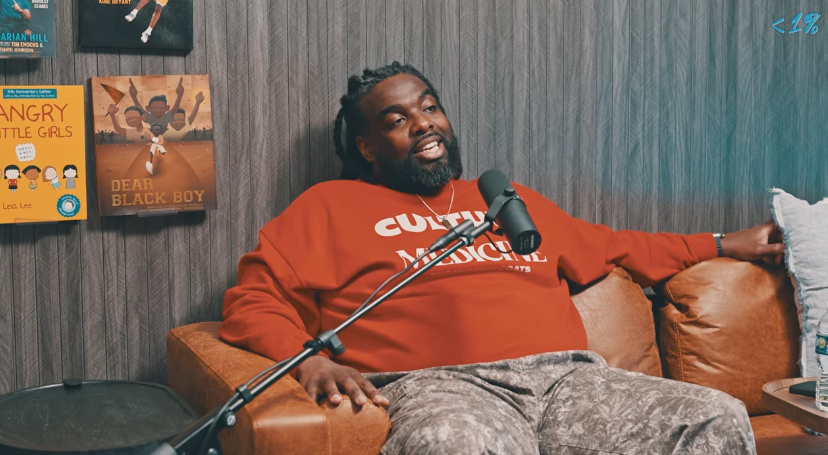
Dr. Russell J. Ledet went from working as a security guard in a hospital to becoming an MD, PhD, MBA, pediatrician, adult psychiatrist and child psychiatrist. Today, Dr. Ledet uses his experience in medicine, psychiatry, and his own childhood to help our youth and families understand mental health in a language that feels real.
In this episode of Less Than One Percent, Dr. Ledet talks about authenticity, proving doubters wrong, parenting, screen time, emotional regulation, asking for help, vulnerability and the importance of seeing yourself in the people you aspire to become.
This is how Russell J. Ledet disrupted the expectations placed on him.
Also listen on:

All Clips
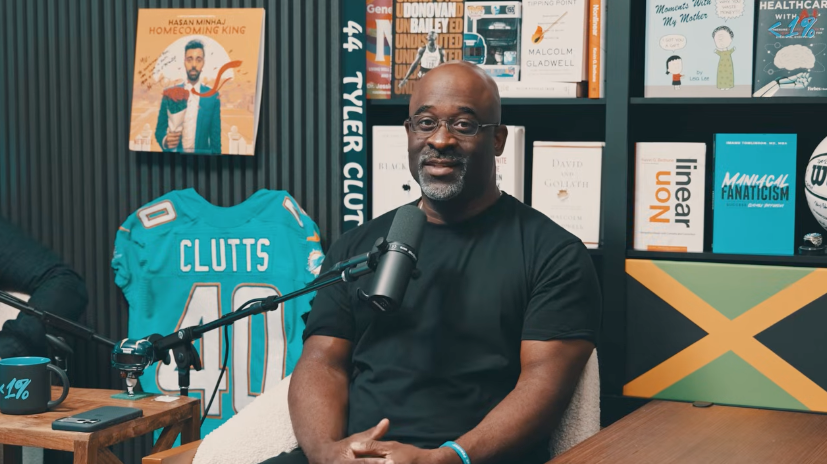

Meet Dr. Russell J. Ledet
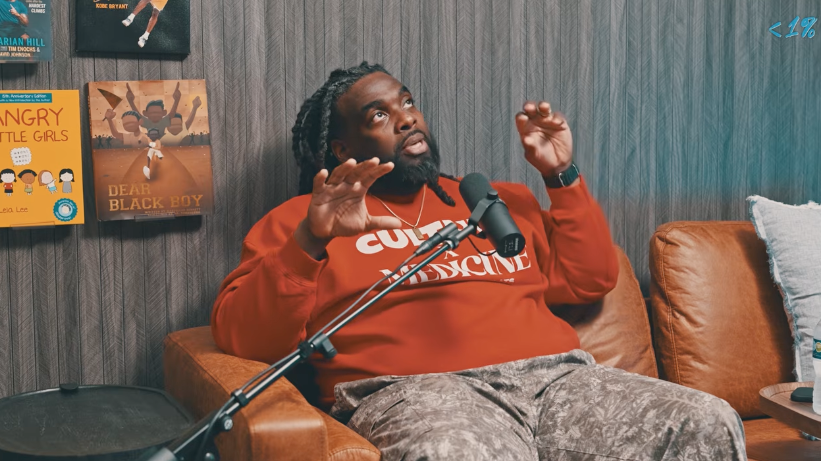
Turning childhood experiences into impact
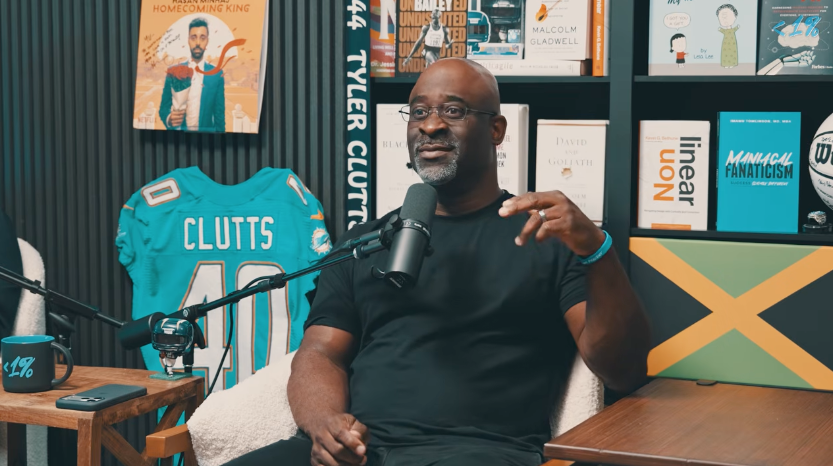
Going viral
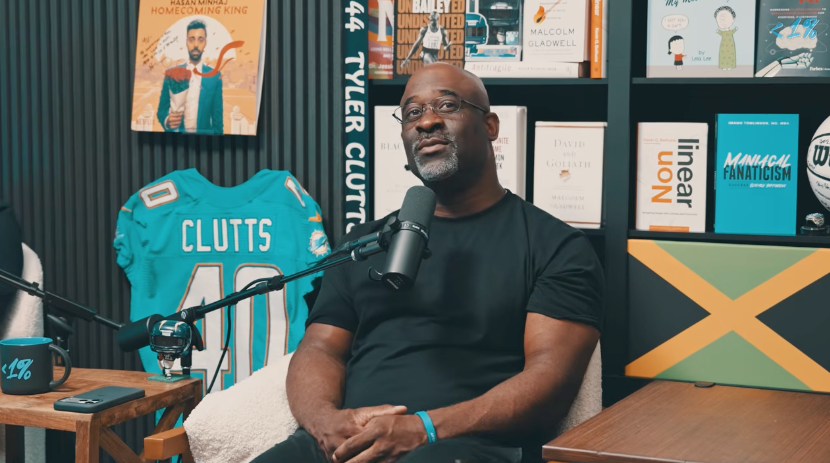
The future of mental health for kids
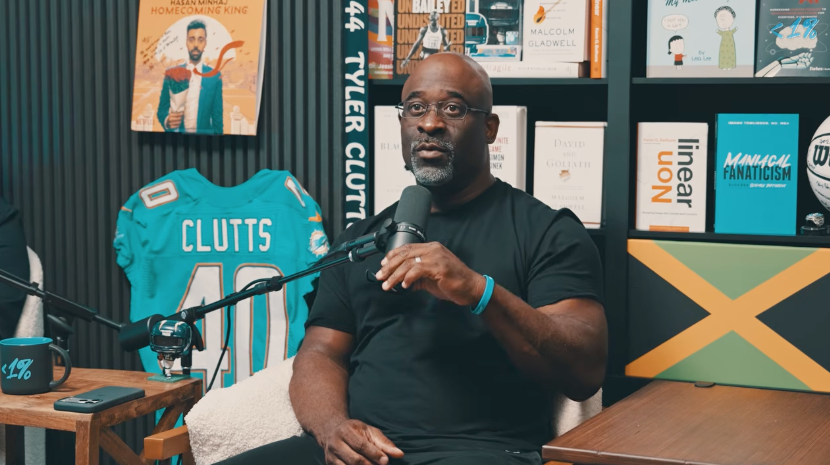
Breaking the cycle of generational trauma
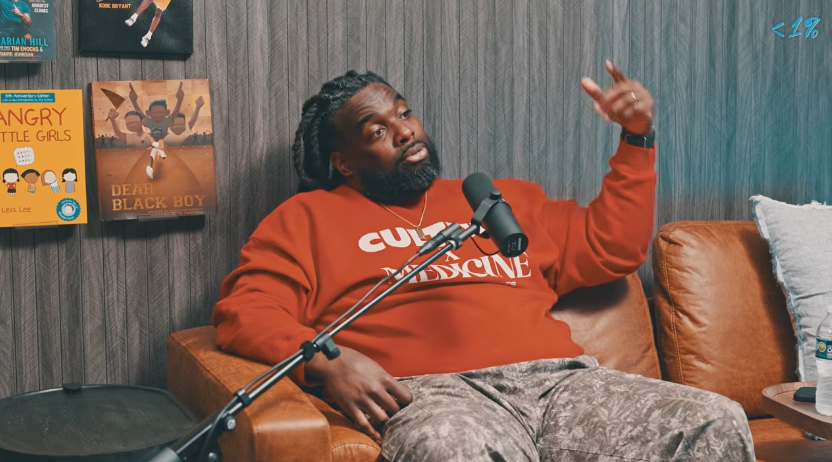
The “I’m Proud of You Black Man” moment
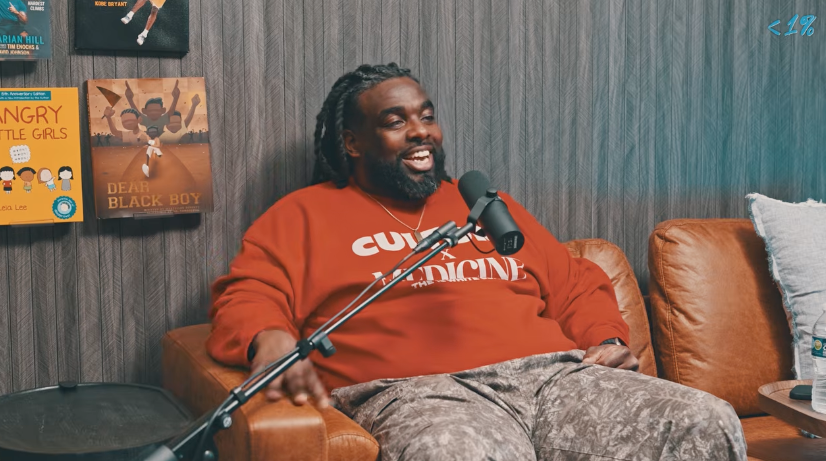
What’s your superpower?
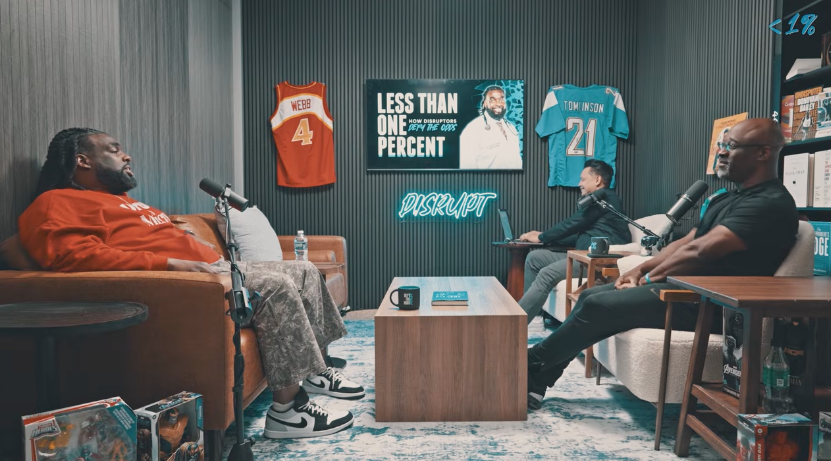
Building the future of mental health
Closing Thoughts: Representation can change a child’s future

Timestamps
Transcript
1:26
Welcome to Less Than One Percent. Today I have an
1:27
amazing treat for you. Um, it's another, you know, I I think uh I think I need a
1:33
little bit of uh therapy because I keep stalking people, but uh but I have another uh amazing human being that I
1:40
that that I was hoping to connect with and he was uh you know, he was gracious
1:45
enough to come on less than 1%. But I'm not going to ruin it because I I think there's a lot of we're gonna have a lot
1:52
of information and sound bites. So, welcome to Less than 1% Dr. Yeah.
1:57
RJ the day. Yeah. No, thank you for having me. This um it feels right for where I'm at in
2:04
life right now. Yeah. Yeah. Yeah. So, so we [laughter] we were just jo I mean we were pre-show
2:11
and we'll kind of start there and then maybe go backwards and then a little forward. But you know um one of the things people
2:17
always ask me is moo what is this podcast? I mean like you got a lot of different kinds of people on here and I
2:24
fully think that you know if you look at the way the world is growing but especially where healthcare is going
2:30
you need lots of different people from lots of the different genres that see things in lots of different ways. And we
2:35
were just talking about because you know um I didn't let you know but I went to school in upstate New York. No way. So you up there by Rochester?
2:42
Yeah I went to St. Lawrence University. We played Rochester in basketball. Yeah. Yeah. You was right down the
2:47
street. Yeah. We played Rochester. We played you uh what's the other one? Uh RPI.
2:52
Yeah. Uh RIT. Yeah. What is that? Rochester. Yeah. Rochester Institute of Tech. Yeah. Yeah. Yeah. We played all of them.
2:59
And I was like I I'm from Toronto and I had never seen snow like that in my life. I was like it's different. The snow is different up there.
3:05
Yeah, it's way different. But you were you were you were you said you were you were doing grand rounds. Yeah, I was doing grand rounds up there
3:10
and and I mean you kind of this is this is this is the heart and soul. This is
3:15
the heart and soul of this podcast. The fact that you were trying to figure out Yeah. just what to wear and who to bring.
3:22
Yeah. I was wrestling which which which Dr. Leay to bring. Right. Yeah. So tell us tell us about that.
3:28
Yeah. Um this this happens all the time and um so I had this big big big big
3:35
lecture to do at University of Rochester. This was my second time that I was invited there as a physician and
3:41
uh you know specifically for me as a psychiatrist Rochester University of Rochester is a big deal because the
3:49
biocschosocial model came out of that institution and so to be invited there
3:54
to give a lecture is a big deal and so I had this internal struggle of which version of Dr. of day do I bring right
4:01
um one part of me was like do I go corporate do I go get a suit do I bring a white tie you know a tie
4:10
you know nice shoes and all that and then the other version of me was like why don't I just bring who I am
4:17
not who I think the people want me to see and so I actually opted for a sweater um that was embroidered by one
4:25
of my close friends uh Crystal Collins who owns a company called Create the culture embroidery and it said uh many
4:32
young kings get their heads cut off and it had this Bosot crown in the middle of it and um before I got up on
4:39
the stage I I had a coat on. I took the coat off right before I went up there and uh I was like, "Look, let me go
4:45
ahead and tell y'all about the sweater now so y'all don't have to ask me all these questions." And I really weaved it in about this idea of what would a
4:53
psychiatric evaluation of me when I was a kid, wow, look like and I I can almost promise you
5:00
it would have said that I was disengaged, that I was disinterested, that I was unmotivated.
5:06
And that wasn't the truth at all. And I was trying to relate to them that many
5:12
young black boys get their heads cut off metaphorically speaking
5:18
because you make assumptions about who they are without understanding what they're really dealing with. And I went on to
5:23
tell them that at the age at which they probably would have done a psychiatric evaluation on me
5:29
because that was when I was the most recluse and really in my head. I was just trying to figure out, man, how can
5:35
I avoid us having to go behind Sam's Club again to dig in a dumpster for dinner?
5:41
Like, how can I help my mom so we don't have to do this? Or how can I help my mom so that we not counting the same
5:47
money over and over and over and hoping that it grow like a seed under the mattress so that we could pay the rent? Like, how? That's where my head was. So,
5:54
I ain't have time to be engaged in all the things that the world had going on or what other kids were playing basketball and all this other stuff. My
6:00
mind was stuck somewhere else. And so I can see how somebody could evaluate me and say, "Oh, that dude is
6:06
disinterested." But in actuality, my mind was just focused on solutions. Yeah. You know, yeah.
6:11
And so that's that, you know, of course there was a dichotomy in that decision, but um now I just I just told him I was
6:18
like, you know what? I'm going just be me, [laughter] man. Like that's all you going to get. This is all you gonna get. Yeah. Well, that's the, you know, I'm
6:24
actually nervous about this particular show because I'm worried about the
6:30
psychiatric evaluation of myself. [laughter] Uh, you know, I definitely I I still think I I still think I have impulse
6:37
control. I know I had impulse control as a as a kid. I was fighting all the time. Oh, yeah. Um, but so listen,
6:43
you know, the one thing that I did when I started the show is to ask you what you want to be called.
6:49
Yeah. because I'm sure that there are situations where people don't believe you. It's like on a plane, any doctors
6:55
on the plane, you're like, "Nah, that actually happened in LA recently." Yeah. Yeah. So, so, so I mean, I'm I
7:01
feel bad because I'm only I'm you know, you have you're triple boarded. [laughter]
7:06
Yeah. It's uh you know, it's funny, man. I was just having this discussion at like 2 a.m. this morning with my my
7:12
cousin. Um, and I told him, I was like, I don't go into rooms trying to convince
7:18
people to believe I am who I am. Right? The only person who needs to believe I am who I am is me.
7:25
Whatever they think, I promise you, it's not going to stop me from doing what I need to do. And so, I it's taken me a long time to
7:32
get to that place of essentially, you know, the let them theory, right? Just just let them just let them let them
7:38
think whatever they want. Let them do whatever they want, whatever. um as long as it doesn't affect my ability to do
7:43
what I want to do and it's taken me a long time to get to this place, man. is taking a lot of but but I would say that
7:50
I mean I'm down for let them cuz she outsold me in my book but you know we
7:55
you know just by a little bit but but but I think though that that it's it's a little I think in healthcare
8:02
especially it's a little deeper than that because I mean I preach and write about the idea of being your 100%
8:08
authentic self but there's nuance to that right because you also don't want to put yourself in a position where you
8:15
can't be in a room to be able to change that room. So, how do you balance that? Yeah. Well, my my thought process is is
8:22
that what's for me is for me. So, you you not going to stop my show.
8:27
That's what you're not going to do. I I've gotten to this place by two things. By my faith and my ability to work hard.
8:33
Yes, sir. That's not going to change. That formula is not going to change. And so, if you were going to stop me, you probably
8:39
should have stopped me long before the momentum got to where it's at now. Now the momentum is such that I'm not I'm
8:45
not really too concerned with the perception of others which is why I think I can embrace the let them theory
8:51
a little bit more. Um, mainly because I know who I am,
8:57
right? And I'm not interested in who other people say I am, right? Um, my work will speak for itself. Um,
9:05
my my ethos will work for itself. Um, my consistency will work for itself and the
9:10
product will come. Yeah. You know, the work I've done with the 15 white coats, um, which I'm sure we'll
9:16
we'll touch on. um the work I've done as a husband. I I'm almost 40 and I've been
9:21
married for 20 years. Yes, sir. You know, so I spent 50% of my lifetime married. You know, I've raised two
9:28
beautiful children. I've become an MD, a PhD, an MBA, a pediatrician, adult psychiatrist, child psychiatrist. I've
9:34
done all the things. I'm not worried about you stopping me. If you was going to stop me, good luck with coming up
9:40
with a formula because a whole lot of people before you try and it never worked. Yeah. So I I have no reason to
9:45
the data would suggest you ain't g it ain't gonna work for you either. Yeah. But tell but tell us though like
9:51
I want to hear one of those stories. Yeah. I want to hear one of those stories where maybe maybe you're on the way on
9:57
the way because you're fully you're so you're fully baked now but on the way when you were baking
10:03
where people tried to stop you tried to put you in that box. Tell me one of those stories.
10:08
Yeah. I mean, I think the one that has stuck with me the most and made me as
10:13
like stubborn as I am now is I I'll set the scene for y'all. I was living in Baton Rouge, Louisiana. Um, these were
10:21
my these were my undergrad days. I was at Southern University in&M College. I
10:26
had just gotten off of active duty and I transitioned I had gotten off of active duty in the United States Navy and I had
10:32
transitioned into reserves. Um, and so I went to get a full-time job as a
10:37
security guard. um at this Baton Rouge General Hospital mid city which was like that was the turnup hospital. Think of
10:42
it as like a parkland. Right. Right. Right. Right. It go down right. All the GSWs is coming
10:48
there. Right. Um and so [clears throat and snorts] simultaneously um I was still in the reserves and I
10:55
came into Southern University as a sec with this idea of becoming a social worker. Honestly, I wanted to be like
11:00
Oprah. Like I just wanted to make the food stamps rain, right? I'm not going to lie. That was my mentality was like I'm about to make it
11:07
rain out every is not for you. Everybody getting it cuz we hungry like and and I
11:13
grew up that way, right? I grew up with us so hungry. And so to that point, you know, I transition into chemistry
11:20
and biology after meeting with this this teacher, Miss Chris, who convinced me that I was smart enough to become a scientist.
11:26
And and I'm sign, you know, I'm I'm working in the ED. You know, security guards kind of go wherever they want.
11:31
Hospital. They kind of a little bit everywhere. But I just so happened to have many experiences where
11:36
I was in the ED when a heart attack came in. I was in the ED when a stroke came in. I was in the ED when like multiple
11:42
GSWs came in in a Jeep Cherokee and they open up the doors and bodies just roll out like bowling balls. Like so I saw
11:49
this and I also was the person who transitioned to the trauma bay and watched them take care of all these
11:54
people in these dire situations. And I was like, man, medicine is so intriguing. Maybe I could do this. And
12:00
never in my mind did it cross my head, I can't do this. Yes. And so I asked so many physicians, you
12:07
know, you know how it is. They got that nice parking lot at the front of the hospital that you got the arm that come
12:12
up for the doctors to go and park and then they go up these stairs and go across the ramp and walk into the hospital, right? And the security guard
12:19
is standing there telling everybody, "Hello, good morning, all the things." And I asked, man, hundreds of doctors,
12:24
bro, yo, can I shadow you? And they always gave me some version of
12:31
no bro you a security guard bro like you not bought to become no doctor. I never
12:36
forget man there was this doctor who graduated from Harvard Medical School and Harvard Business School. And I was like yo what medical school did you go
12:42
to? And like what was medical school like and maybe he was in a rush but maybe he also just wasn't interested in
12:48
even listening to what I had to say. And he was like I went to Harvard medical school. I went to Harvard Business
12:53
School and there's no chance of you getting in there. He said that to you straight up. You remember his name?
12:59
I don't remember his name. Yeah. But I remember his face. Yeah. And I remember what he looked like. I
13:05
remember everything. Yeah. And every time they told me no, it was like another it it was like another
13:12
moment for me to be like, "Yeah, I'm about to prove y'all wrong." Yeah. And I think now I've gone too far like
13:17
improve like I don't know. I don't know. Like I mean [laughter] yo I tell I tell a lot of
13:22
people like I I I mean I we you know almost on every show
13:28
everybody that watches any episode knows that I hold grudges.
13:33
Yeah. I hold grudges height too. I remember names, dates. Yeah. You know and I go visit them. I I
13:39
remember and I I I've stopped saying the names because of people like you know don't torture
13:45
you know but but I I I went and visit I got you know I got an award from UC thank you UC University of Cincinnati
13:52
College of Medicine shout out and I I I went to the I went to the professor's office. No way.
13:57
After I got the award and I tried to I tried to find her. Moo. I will tell you this happened though. I never forget um when I was in
14:04
my third year of medical school you know you start doing rotations. Yeah. And I rotated at the exact same
14:10
hospital that I was a security guard. So that's how I on uh on you know NBC Nightly News with
14:16
Lester Holton and stuff because they was I I like posted it cuz that morning it was like 4:00 a.m. and I was on vascular
14:21
surgery. So peep game man I'm on vascular surgery. You know you get in early you're going into the the calf lab
14:28
and you know you going to do all the things. We were sitting in the uh in the O in
14:35
the surgery lounge waiting for a case to start and I came up on the TV.
14:42
I had just finished doing like a news segment maybe like the day before or like that and one of the doctors who told me no
14:50
was in the o he was in the o lounge. Wow. And he was like is that you? And I
14:56
remember getting this moment to be like, "Yeah, you remember security guards don't become doctors."
15:02
He was like, "That was you?" I was like, "Yeah, that was me."
15:08
And um my attendant was like, "Yeah, let's go, man. Don't don't worry about it. Let's go. Let's go. Let's go." Um Yeah, man. And it's crazy because
15:15
like I never took their no personally. Yeah. I was like, "You just you just don't
15:21
know. You missing an opportunity." Yeah. See, I see I'm glad now that I'm on the medication, I'd have been like,
15:26
"Don't you remember me?" [laughter] I would get I'd be scrapping, man. I'm You
15:31
know, I mean, as you get as I get older, that that that softens. But so so
15:39
I I I love what you said about authenticity because I think you're taking to your point, you say you're over the edge.
15:44
Yeah. I think there's authenticity. I know who I am. Yeah. And that's, you know, I write
15:50
about that a lot. But I think that there's a ne next level what you're pointing out, which is I know who I am
15:57
and I know what I need to do or what I want to do or what I'm going to do. Y and I think that the idea
16:04
the idea that um you know what's for you will come to you
16:10
is is is a very difficult one, right? I mean it you know we're we're old men. Yeah. And there's a lot lot of kids or a
16:17
lot of people out there just starting out. It's very hard for them. So, I mean, I I love I mean, your story your
16:24
story is amazing. Obviously, when I stalked you on Instagram, um you I found that out. So, tell me tell me tell me
16:31
how that's translated though into what you're doing now. Yeah, it's crazy that you asked that, man. like um a lot of what I do now, I
16:39
I'll start off with one thing that I I'm doing now that is a function of
16:45
being able to remember what my childhood needed that it didn't have.
16:45
Um, I spend my free weekends in
16:58
Columbus, Ohio at the Juvenile Intervention Center, which is for
17:04
uh kids under 18 years old or who have transitioned to 18 years old, but were
17:09
found to uh have cause or there was potential cause for a crime uh before 18
17:16
that are essentially in detention centers until they are We don't call it
17:22
convictions in children. It's called adjudication. And so these these kiddos are pre-adjudication, right? And so I spend
17:29
a lot of time doing group therapy with these kids and it's like cultural
17:35
therapy where we listening to um to uh to like JCole and Kendrick Lamar and the
17:43
game and like and then breaking down real concepts around fear around loving the life you know ain't no
17:51
such thing as a life that's better than yours you know and this idea of AJ McQueen and sit yourself town, you know,
17:59
and and so I've been able to really get these kiddos, man. Some of which are in there for like serious crimes.
18:05
Yeah. To really have a lot more introspection, a lot more reflection, and and an improved self-perception such that it's
18:13
improved their chances of being able to go home. Yeah. And a lot of that comes from me
18:19
remembering my childhood so much so that I can speak to those kids now as if I
18:24
was speaking to myself. Right. Right. Right. like and I got the tools now, right? And so it's a cheat
18:30
code. Yeah. To be able to take all this clinical knowledge, translate it into something
18:35
that the, you know, the brothers can hear. Yeah. And then just be like, "Hey, let's let's have that that, you know, but I think that's, we
18:42
talked about this earlier, right? That's the that's kind of the holy grail of the new medicine. Everybody talks about AI and
18:49
they talk talk about all this stuff, you know, but at the end of the day, remote surgery, AI, you know, all this stuff.
18:56
At the end of the day, I think that we talked about this earlier, knowledge by itself
19:02
is not will no longer be you going to medical school and you just get the knowledge out. You you're not
19:08
going to be a doctor. No. But the ability to take that, right, and and you know, we grew up the same way.
19:14
Hip-hop is my life. I can I can play the anthology of my life through hip-hop.
19:19
And what's interesting is being able to take I mean what what is these double and triple entandras if you can't make them
19:25
turn them into something that makes sense to them, you know, and so I I I love that. And I think I think
19:31
you know, especially especially in psych in psychiatry, especially in child psychiatry.
19:36
Yeah. You know, because I mean they're not I mean we we did an event um in DC, right?
19:43
And we we put on the poster and I told them not to. They put on the holster the on the poster.
19:48
Free mental health evaluations. How many how many people you think we got? Not very none. I told them I said
19:55
nobody wants in that community. They don't want mental health. Now they'll talk to you. Yeah. They'll talk to you. They'll talk to you. And so how do you
20:03
convert what is something that's taboo into something that's real? Yeah. No, to that to that point, man.
20:09
You know, um I've shifted a lot of my content lately. Um a lot of my content
20:15
now talks about essentially going in and navigating the
20:21
mind of parents and carrying the mind of children and
20:27
trying to drop off like nuggets like, "Hey, here's how the dopamine system works. Here's how the prefrontal cortex
20:32
works. Here's how hippocampus works. Here's how the amydala works. here's how all of this works together. Maybe these
20:38
behaviors are are a sign of something much deeper. But in a language, because
20:43
it's language, right? There there's a lot of linguistics involved in thinking about like how do I get this information
20:49
to you in a way that feels like you actually can understand it. And
20:55
I'm not trying to be condescending to you. I'm really trying to teach you so that this child is better equipped and
21:01
you are better equipped because emotional dysregulation on the part of the parent will definitely reflect in
21:07
the child. You going to see it like you you see I literally did my content before I got here about yelling. I asked
21:13
my nephew just the other day. I said, "Bro, how would you feel if your mama yelled
21:19
at you?" He was like, "Weird?" And I was like, "Why?"
21:26
And he was like, "Cuz she never yells at me." And I was like, "That feels safe, don't
21:32
it?" He was like, "Yes, it does." And then I went on to translate and be like,
21:37
"Listen, you got to understand when you yelling at these kids, the first thing they going to do is try to protect
21:42
themselves. That's just what the human body does, right? Yelling at a kid. They not thinking, "Oh yeah, this is a safe
21:48
environment. Somebody's looking out for me right now." They thinking you mad. You might try to harm them. and and most
21:53
of the time you'll see them shut down or they'll lash back out at you. But taking that and being like, listen, I'm not
21:58
trying to crucify you. But I do need you to understand that there's a translation to what you see in your child.
22:03
Yeah. As a function of what you doing. So let so let's let's let's break it all the way down. So let's say and now I
22:10
realize my kids are 22 and 20. I should have done things different. But [laughter] um but we'll we'll talk about
22:16
that. Um, but but let's say you're going to give a piece of advice
22:21
to brand new, brand new family, you know, they got a 2-year-old, two-year-old, right? Like what
22:27
what what's a number one thing that you want them to consider that would
22:35
my my top thing, man, is and it's gonna sound mundane, bro, but it's it's really
22:41
important. Consistently read to your kids.
22:47
Read to your kids in parks. Read to your kids at home. You could even put on
22:52
audiobooks in the car. Like, man, read to your kids regularly, man. And limit their screen time.
22:58
Yeah. Those two things alone, cuz I don't want to give you no big grand like Yeah. Yeah. Yeah.
23:03
So, dive into that. The limit because, you know, I'm I'm I'm 50/50 on the screen time, right? And I mean I I I
23:10
mean is this I feel like in on one side of it I see the screen time where people
23:15
disappear. They're just in the in a world that doesn't exist and on the other side I I remember my parents
23:22
talking about you know Sesame Street and Electric Company and for me not to watch the TV sure as much. Right. So so so
23:28
explain to me when you say limit the screen time. We're in a world where
23:33
it's all screen time. It has to be. It doesn't have to be. No. I mean I mean in in many ways like
23:39
you and I take care of patients. Yeah. Yeah. Of course. Yeah. We're on the screen. So So how do you when you say no screen
23:44
time, what are you really saying? Like break it down for us. Here's here's what I'm really telling you, man. I'm I'm going to give you a
23:50
big realization here. This generation of children
23:56
are effectively the first generation of children whose
24:01
parents are also completely captivated by screens. Right. Right. Right. And so the
24:07
reduction in like time on task between an authority figure and a child in a way
24:15
that makes sense for development of the brain. Things like tactile development, things like sensory development. Yeah.
24:21
Things like literacy skills, things like clin uh things like uh decision-m skills. All of these brain development
24:28
things that need to happen, right, are almost pushed to the side as a function
24:34
of let me give you as much immediate reward as possible,
24:40
right? So everything these kids interact with is endless. It's is it's immediate and endless. It's
24:45
endless. There is no like, oh yeah, now you're done. There was a time when TVs went off.
24:51
Yeah. or or even even uh even Mario Brothers or Zelda tried to finish the game.
24:56
Yeah. The game was over. Now the game's getting you could you could play Madden for 60
25:01
hours straight without stopping. Right. And there's no such thing as beating the game. Right. Right. And so when I say limit screen
25:08
time, essentially what I'm saying is is that there are certain skills that you
25:14
absolutely need to institute that a screen cannot institute and will not institute. Plus, you need to be aware of
25:21
what the effects of that screen time. What are they what are they on your child's ability to learn? Your ability
25:27
your child's ability to emotionally regulate. Your child's ability to have impulse control. Your child's ability to
25:33
wait for a reward. Yeah. As opposed to instantly and immediately always needing an immediate reward. And
25:40
as soon as oftent times these kids get a reward, they just want another one. It's funny you say that. Like I think
25:45
that's the most profound definition of some people are just like, "Oh, no screen time." But you're actually taking
25:51
it down to you mean almost the anatomic functional functional anatomic level.
25:57
I'm thinking about prefrontal cortex development even at the earlier stages. Sure. We think about delays and and we
26:02
think about like, okay, these kids prefrontal cortex is still under development during their teenage years, which is why things like logic,
26:08
reasoning, understanding are struggles for them, especially if they're highly emotionally reactive and you can't even
26:14
get them to really, you know, you you got kids when you were yelling at your kids when they were really amped up, they they weren't taking nothing. You
26:21
right. And so I think about these children and I wonder you are conditioned, right? It's
26:28
almost like operant conditioning of all I need is just another thing to please me in the moment,
26:34
right? There's no reason for me to wait for something. And when the real world doesn't provide
26:40
you with that immediate reward, which obviously, as you know, delayed gratification is a component of any
26:45
career. Any career, any career. I don't care if you trying to become the CEO of of of Forbes or you
26:51
trying to become the CEO of I trying to get certified for the for garbage disposal. Yeah. It's going to take a little while,
26:56
right? But the fact that you are in a condition to immediately get a reward means that you have no reason to drive
27:02
long. Yes. You don't want to play the par five. All you want is par threes. Yes. You want the whole course to be par
27:09
threes. Yes. And real life has no there are very few par threes in real life. Yeah.
27:14
Yeah. And and if they do, they're long. They long. We talking [laughter] about 400 yard par threes and you like geez.
27:20
Well, you could at least made it a par, you know, and you at the back of the tea box. Yeah. you know, so you know, it's
27:26
it's it's I think when I think about it, it's like the reason why I tell parents to limit screen time is not because it's
27:32
the cool thing to say. It's because I have seen the effects of too much screen time
27:38
when they get to adolescence where it's a really shaky ground and their
27:43
decision- making is not is not where it should be or not where
27:48
it could be because of all of these, you know, actions that have happened during the most important developmental years
27:54
of their life. You know, I think I think that's a great point. We we also talked pre-show about
27:59
the idea that the the what you're generating, what you've done in in in
28:04
the spaces you've been in are really, you know, the idea of going viral
28:10
for a physician was something that was laughed at. Yeah. Right. Exactly.
28:11
Like I told somebody I told somebody I've I've about
28:16
I've had about four viral posts. I've had one that's been really viral like like really viral.
28:23
Like I woke up the next morning I was like phone day. I was like, "How much money do I get from this?" [laughter] Even
28:28
though, you know, I ain't get no money, but you know what I'm saying? But, but uh I told somebody I said, "Hey, you know, my my post went viral."
28:35
And they were like, "Are you are you six?" Like, that was their response. Wow.
28:40
Because, [clears throat] you know, I think what happens is is that people don't understand the future of
28:46
healthcare, the future of any business, frankly. Yeah. Is going to be about how many people you
28:51
can influence. It used to be that you got up on a, you know, on a pulpit or you got up on a stage or you got up on a
28:57
television station or you waited until you were on Johnny Carson, you know, or something like that. But now you have anybody and everybody's
29:04
like vilify social media. A lot of people do that and there are some definitely for psychiatric reasons.
29:11
There are some terrible things that are going on there. But but it's almost like
29:16
the ultimate freedom of speech because anybody Yeah. if you have something reasonable and productive and and
29:23
supportive to say Yeah. people will gravitate towards it and they they will latch on. Yeah. And you talked about that cuz you
29:30
you said you you recently had some posts where you know like you don't have you have a huge following but you don't have
29:36
one of these mega followings and you were like yo like people are asking you. Yeah. They're like, [laughter] "Hey, can
29:42
you can you can you come and see about my kid? Can you come and do this? Can you do that?" Which which, you know,
29:48
simultaneously is appealing, but also tells me there is a profound need.
29:53
Yeah. Right. Especially in this space where I mean, you know, teenage years are tough.
30:02
Teenage years are profoundly tough. Um, parents are pulling that straws to figure out what to do.
30:08
Yeah. Um, and many parents feel helpless. And to your point about communicating to
30:14
an audience in a way that will cause them to listen to you and to take you as a a trusted and credible, you know,
30:22
source of knowledge. Um, you have to be able to communicate in a way that not
30:28
only feels real, but translates into real product at home. So, I have so many parents who will message me or they'll
30:36
even comment under the post and say, "Yo, I tried exactly what you said and it worked out exactly how you said it."
30:42
That's awesome. And that that is the greatest illustration that you on the right path.
30:49
Yeah. You know, that you're doing the right thing, that you're in the right vein, that you moving in the right way. And and I can honestly say that um I give a
30:58
lot of credit to my grandmother all the time. My grandmother grew up in the deep
31:03
south. She grew up in Bro Bridge, Louisiana. Um on a sugarcane field and
31:09
she she couldn't read and she really couldn't write either. She used to like use a X to sign her name on her checks
31:15
and stuff. But my grandmother probably had as much wisdom as a Bible man. Just was like this woman who could like
31:22
teach you about life's trials before they even came. Right. Right.
31:28
In a way that never felt demeaning. Right. And to that point, she always would tell me like,
31:34
"You just need to learn how to treat God's people right." As simple as that comment was, I don't
31:40
think I really understood it until I got to medical school. And it was time for
31:47
me to make a decision in terms of like what am I going to do? I have a PhD in molecular oncology and tumorology from
31:55
what was at the time the number one medical school in the country. I've published gotten grants from Howard
32:00
Hughes Medical Institute and the National Institutes of Health and Ford foundation and every expectation is yeah he's going to be a radiation oncologist
32:07
and I go to this federally qualified health center and I visit with this
32:12
young black boy from New Orleans and before he leaves this psychiatric visit
32:19
he says, "Can you be my doctor? Can you be my doctor?" And I was just I
32:27
was a first year medical student in that at that time and I was just like with and attending just kind of shadowing in some way to
32:34
see like what's this child psychiatry thing about and to that point um I think when I
32:40
think about whether it's my content and the way that I communicate with my audience or I'm sitting in front of a
32:45
patient and we having conversations it is almost always this idea of
32:53
if you were my child how would I treat you? Yeah. Yeah. You know, if you if you were my parent,
32:59
you know, if you were a parent of mine, then like how would I treat you? And and and part of that, I think, is
33:04
communicating in a way that it's not like all fluffy and all this other stuff, but talking in a way that almost
33:10
feels like it's family talking to you. Yeah. Yes. I'm a physician, a highly trained physician. Yes. You got the you got the
33:15
credentials. Yes, I got the credentials, but it needs to feel like, man, it's my cousin talking. Like, I want them to pull us up
33:21
at the dinner table and be like, "No, look look what cousin R.J." said, "No, cousin R.J. He said, "This is how we should settle an argument at home
33:27
between our family, right? Because this makes sense." And he come from where I come from.
33:32
So, he's been through what we've been through and it's telling us there's a better way.
33:37
So, so what do you what would you
33:42
I'm I'm fascinated and want to get dive into what you tell parents and what you tell
33:48
kids. Yeah. Um but I'll get back to that. I want to know ultimately where do you feel like
33:55
you're where do you want to have impact? I mean I know we're gonna talk a little bit about the
34:00
15 white coats and all that stuff, but but where where do you want to have impact? Like where's I I can tell you
34:05
exactly where I want to have impact. So, and this is probably my first time saying this publicly. Um so I hope
34:12
nobody don't steal my idea. It is what it is. Um but you let you let them know. You let
34:18
them know. Let them know. Don't steal my idea. Don't steal my [laughter] idea. I might have a trademark pending right now. Um,
34:24
you gonna get in big trouble. [laughter] Um, but I am convinced that we can
34:31
leverage specifically gaming technology in a way to
34:37
get kids to have what I think are like the top five
34:43
skills you should have to prepare for adulthood. The first one is I need kids
34:49
to have a life safety plan. Meaning like who are the authorities
34:55
that you reach out when you're not sure that your own thinking is on solid ground?
35:02
What do you do when stressful moments come? How do you respond to those stressful moments? Like this is all part
35:08
of the safety plan, right? um who are the who what is your circle of
35:14
professional people that you can reach out to to say yo let's let's collectively make a decision
35:19
such that I can move this boulder forward as opposed to an independent decision because if you want to go fast you go alone if you want to go far you
35:26
go together so there's that part right in in this terms of this life safety planning and then the second part I want
35:33
the game to do is to give them coping skills right because tough moments are coming whether
35:38
you like it or not You don't even have to know whether or not the stove is hot. You gonna find out the stove is hot.
35:44
Even intentionally or unintentionally, you gonna find out the stove is hot. I found out, right? And so, how do you
35:51
respond to that? How do you respond to that individually? How do you respond to that when you're
35:56
in groups? How do you respond to that in the moment? And how do you come back and
36:01
revisit that in a healthy way? Because when you're emotionally reactive and activated, that's probably not the best
36:08
time for you to process it. So, how can you in a healthy way go back to that that situation that was quite stressful
36:15
and process it in a way that's that's meaningful? And can you do that individually or do you need to go with somebody? And it's not always therapy.
36:22
Sometimes it's having a solid person who can listen and who can help you to come to a conclusion that makes sense for
36:28
you. Right? So, that that's the coping skills part. The third part is emotional regulation
36:33
because so often kids, young people during these extremely critical periods
36:40
of their life, right? The we talking about the college days, the high school days that will have a longlasting effect
36:48
on the rest of your life because this is the period where you had the most energy. This is the period where your brain is moving the fastest, right?
36:54
Everything's the sharpest. Um, do you have emotional regulation such that you
37:00
don't make all of these rash decisions based on do I feel extremely sad, do I
37:06
feel extremely happy, do I feel extremely angry? Um, can you have sort of like a um a
37:13
medium that you operate in such that the decisions you make make sense? Yeah. And if not, are there some people who
37:20
can help you to calm down? The other two parts of this game I I think will be extremely impactful are impulse control,
37:26
which is obvious, right? Like that that that that's ridiculously obvious. And the last part is is quality
37:32
communication with authorities. That's huge. Yeah. It's like the massive that that is
37:38
that one, Doug. Like I mean the first four were profound. Yeah. But that fifth one
37:43
Yeah. It's like cuz then mentorship makes sense. Yes. And in the early years of your life, you don't need sponsorship as much
37:50
as you need somebody to to mentor you. I was even thinking like all the way down to sort of even interactions with
37:58
police. Yeah. Teachers. Yeah. Professors like at the end of the day your parents.
38:04
Yeah. Parents. Your parents. So, so you got a kid. I'm gonna we're gonna we're gonna I'm gonna ask you a
38:11
board question, but we're going to do a we're going to do a mock a mock mock board here. [laughter]
38:16
So, you have a kid and I'm and I'm trying to I'm trying to capture what people would be worried about in their
38:23
mind. So, you have a kid that um is like me growing up, defiant, you
38:29
know, obviously smart and you know, can can do some great things, but defiant, you know, doesn't want to
38:36
listen to parents. Getting that, you know, maybe maybe maybe pre-teenish. Sure. you know,
38:42
starting to starting to get that little testosterone or that little estrogen pump and they're feeling a certain way.
38:48
Yeah. Um, what would you say to parents in that situation to help them cope with
38:54
that sort of pre-teen, teen, like you don't you don't know how hard it is for me. You're not, you know, you don't
39:01
know, you know, how what would you say to them? Yeah. First things first, um, take a beat.
39:07
Don't take what your kid is saying and doing right now personally. And even if
39:13
you are going to take it personally, don't take it personally in front of them. Cuz what they need to see is a measured,
39:20
tempered response. What they're expecting is an extremely riled up response.
39:27
They're searching for that, but they can't learn in that moment. They can't learn in a moment where you
39:32
turn up because they said something that hit you the wrong way. M cuz now you need to go process your own
39:39
stuff. Don't give them that. Don't that's not for them to hold cuz what they dealing with is not what you
39:45
dealing. Y'all dealing with two different things. You may be dealing with a hurt from hearing somebody else say that to you previously, whatever.
39:50
Blah blah blah blah. So deal with that. Take a beat. Breathe. Don't yell. If you yell, they not
39:56
listening. Listen. If you escalate, they not gonna listen. The moment you
40:01
escalate, it's over. That's it. That's a wrap. So that's the first part. The second part is, and actually I have to
40:08
shout out my brother um Raymond Powell, man. Raymond Powell, he and I were at um
40:16
the Reform. Reform invited us to the Indianapolis track, the Speedway. Yeah.
40:21
For um this is right before the Indie uh 500. We were there for like some of the preliminary rounds. And I met this
40:28
brother there. Um remarkable story, man. He got a remarkable story. Um, and and
40:34
I'll let him tell his story, but it's just it's absolutely remarkable what he's been through and how he's he's just
40:39
so reflective. So, I I rely on him often. But he asked me the similar question that you just asked. He was
40:45
like, "Man, what do you do?" And I told him, I said, "Man, take that kid for a walk, man."
40:51
I said, "Take that kid for a walk, man. Don't say nothing. Just take him for a walk." And he'll at some point that kid
40:59
will talk to you, right, about the things that are at the top of their mind. And
41:06
your job in that moment is not to give them a lecture, right? Your job in that moment is not to be the
41:13
encyclopedia for them and to give them the answer. Your job in that moment is to listen to their experience. Let them
41:20
tell their story of what they are going through right now. I I mean that's and and that's so hard
41:27
to do. So why would you say it's hard to do though? It is hard to do. And and I'm going to say I'm going to ask you a
41:33
question to explain why I think it's hard to do.
41:39
If you we are the product of I wouldn't I I think that parenting has
41:46
evolved over the years of course and as I get older what I realize is that everybody's doing their best.
41:51
Yeah. Now with whatever capacity they have or don't have, right? They they did listen.
41:56
No, we not always doing our best. Well, you I guess what I'm saying I guess what I'm saying is is that we're not doing the
42:02
best. Yeah. But we are doing but we're doing with all of our weird idiosyncrasies and you know and and
42:08
there listen let's let's talk about you know fortunately not my challenge but there are parents with substance abuse
42:14
there are parents with psychiatric disorders there are parents that have been abused right so so they're dealing with their their their drama and they
42:20
can't so I guess what I want to the reason I said it's hard if I look at
42:27
you no Dr. day murm amazing. I use the term murderer which is not the best to
42:33
use in healthcare but you know what I'm saying. You're you're a killer. You're amazing. Yeah. I didn't I didn't did it. You're amazing. Right. And I look at
42:42
You didn't have the expertise that you have now as a parent. Your parents
42:47
didn't have that. I My parents did their best, but they didn't have the expertise that you have.
42:52
Yeah. And you came out amazing. Yeah. What would you say to somebody that says, "Hey, listen. You gotta be through
42:59
the fire. You gotta be, you know, you gotta go through this thing. I came out this way.
43:04
Do you know what I mean? Yeah. Because because in some ways it almost feels hypocritical, right? It's like,
43:09
yeah, bro, did you not just tell us you was digging in dumpsters? Yeah. It sounds like if we take that route,
43:15
we become you. Nah, but what I didn't tell you was all the stuff that I struggle with. Yeah. I'm I'm about to tell you something,
43:22
man. Um, I was supposed to get here yesterday at like 1:30.
43:29
I intentionally was going to take an earlier flight. I was going to take an 11:40 flight, right? I get to the
43:35
airport. I took an Uber from my house. I get to the airport and I forget my wallet at home.
43:41
So, my wife brings my wallet and I still got 19 minutes before they close the doors. So, I get up to TSA Pre-Check. My
43:49
my bad says TSA Pre-Check everything. They're like, "Nope, you regular." Oh, man. So, I go to the regular line. But here's
43:56
here's here's why I say that there's a better way to raise your children. And
44:02
this is some of the issues that come with the route that I had to take to get here.
44:10
There were only about 13 people in front of me in the regular line of TSA.
44:17
Did you know that I was too afraid to ask those 13 people if it was okay for me to go ahead of them to get that
44:24
flight and get on there? So, I missed the flight and I didn't get here until 4:20. Yeah.
44:29
And to that and and and it's and it's and I'm doing this on purpose to be vulnerable enough to say, "Yes, it looks
44:35
like I'm invincible, but I got my own things that I'm struggling with as a function of
44:41
taking such a terrible route that I struggle to ask for help.
44:47
Even as accomplished as I am, I will work 30 hours alone
44:52
before I ask somebody to cut it down to 12 hours. Yeah. Right. And and and I'mma do it like it's
44:59
going to get done and it's going to be great and I'mma get here on time and I'mma be here for the I'mma do all the things. But there's a jam there's a
45:06
damage there because I gota I could have got here at two. I could have got to my hotel early. I could have had two hours
45:12
of peaceful time. Yeah. Right. I could have won something in that situation. Yeah. But I even forewent what I could have
45:19
won in the name of No, I'm not asking for help. Mainly because and I'm I'm
45:25
being very vulnerable right now because I know how I look to the world
45:31
and unless you know who I am and I'm like, "Yo, man, I only got 10 minutes to
45:36
get." And they like, "Man, this dude, bro, he look like a drug dealer, man. We ain't letting them pass us up.
45:43
And honestly, all those people in front of me probably could have been like, "Yeah, man. Go ahead. Go ahead." You know what's so interesting? By the
45:49
way, you won the argument. Um, but you know, I'm just saying just for the
45:55
record, for the record, I'm I'm not rebuting I'm not coming back with a rebuttal. [laughter]
46:00
But, um, what you know, it's it's very interesting what you say there, which is
46:06
I think that it's coming from a generation of Yes. I think that I pride myself
46:14
as an immigrant of immigrants of of not needing anybody or anything and working. I don't
46:21
like to this day I literally can sleep three hours function and still get it and go get it.
46:27
Yeah. But I think you're what you say is right. The consequences, the unknown consequence, the the hidden
46:33
consequences. And I think, you know, the other thing that you and I also talked about pre-show is the idea that
46:39
you're you're coming on less than 1%. Yeah. You know, you need me for something. I'm coming to do that thing with you.
46:45
Right. That that the idea of saying, "Hey, hey, R.J.,
46:51
you're doing amazing things in the in the in the industry. Can you come?" Right? Like that's a vulner very vulner and and I think in in
46:58
in my own therapy here my own vulnerability is it's actually terrible. It's actually
47:06
a terrible thing. It's horri right to go to somebody and say I didn't
47:12
leave with enough time. Yeah. I made a mistake. Yeah. And I want you to inconvenience yourself
47:20
to help me. Yeah. That's I mean and so so you won you won you know.
47:26
No it's uh you know I've I've heard a lot of people be like yo like why are you they they said that a lot of my
47:33
content was soft parenting and I said no it's not soft parenting. I'm I'm able to
47:39
simultaneously be there for a lot of parents and a lot of kids while also doing the work of what I could imagine a
47:48
healed childhood for myself would have. And that is so important. Obviously um
47:57
there um are a lot of things that you can look at in adulthood and tie it back
48:03
to something that was you know an experience of your childhood or tied to your childhood or whatever. And there
48:08
are a lot of theories behind that. But I think even in this moment, man, like oftentimes people will see like all the
48:15
accomplishments and all the things that I've done and, you know, how I've gotten to this place and be like, "Man, he's
48:20
invincible." No, I'm absolutely not invincible. Yeah. I'm I'm I'm I'm working on my my
48:26
autobiography right now and the working title is The Tears I Cried
48:31
in My Wife's Lap because the world couldn't afford to see my tears.
48:38
Right. Like the one moment they did when I matched in res black man moment. I saw that.
48:44
They were like, "Oh my god, you posted, you just posted that." Yeah. And meanwhile, my wife was like, "Yeah,
48:49
y'all. If y'all think this is something, imagine being in the house with him.
48:55
You think all the stuff that he's accomplished, it looked great. It's amazing." And it is. It's absolutely amazing. It's it's it's less
49:01
than 1%. 100%. Everything I've done to this point is less than 1%. No doubt
49:06
about it. Yeah. But the the cost Yeah. the cost that the world cannot afford to
49:12
see for a lot of different reasons. And we I mean I mean I I think and I I
49:17
don't think I'm unique in this way but that moment that moment where you cry
49:23
Yeah. either from something so amazing that you you believed it could happen but then it's coming to fruition.
49:29
Yeah. Or the other cry is that that sheer anger, you know, of proving
49:34
yourself after proving yourself after proving yourself. And I think, you know, my generation and
49:41
maybe others, maybe other generations, too. I'm mad at myself because sometimes you're in that moment
49:48
where you cry. I was in this I was in this how dare I be vulnerable. I was in this this this office doing a presentation,
49:58
you know, about less than 1% and yeah, be your authentic self and, you know, talking about the, you know, disparities
50:03
in healthcare and all this other stuff and and somebody popped a question. I said, "Okay, you know, I'm in I'm in I'm
50:11
rap I'm rapping. Listen, I was a rapper till I was 16. I'm ready to go. Let's go." You know, play the beat. Give me
50:17
the beat. Let's go. And somebody said something about my kids
50:22
and I went I was in I was in I was in game phase. I was in game phase and I tried to answer nothing came out
50:30
and tears started falling and instantly I was angry
50:35
at myself right instantly. And everybody, you know, then everybody's like, "You got it. You got
50:42
it. You got it." But the idea is I I'm mad because I don't want people to see that beside me. I
50:47
don't want people to see that part of me. I think that's a lot of and you know a lot of the mental health issues that that a lot of
50:53
us have in our life have to do with I think restricting
51:03
Yeah. a lot of that in you know that
51:00
that stuff 100% man even when you think about the I'm proud of you black man moment when I matched right in that moment people ask
51:08
me all the time like like what what happened like how did how did that moment come to be and what was happening
51:14
man I think that night I didn't sleep I ain't sleep I have no idea where I was
51:20
going there was a part of me that was like I might end up at NYU again right
51:26
I might end up back at two lane I might or the brown, right? I don't I don't know what I'm going to do. But
51:32
um then I thought about that little black boy.
51:38
Yeah. Sitting on that blue plastic chair with the concrete under him with a couple
51:44
cracks in it because the roots were growing up under it. And I was like,
51:50
"Yo, you got your child psychiatrist." Yeah. Yeah. You got him. You got him. And not only
51:55
did you get him, he's the first black man to ever do it at Indiana University.
52:01
So, let me let me let me dig in. I want to ask I want to ask that question. We talked about that question I want to ask you because I it
52:07
I have an idea of how you might answer, but I don't want to speak for you. But before we get there, I want to ask you this because
52:15
there are going to be people in this day and age, in this time, right? Like I mean, I I tell everybody
52:22
I I'm Canadian, by the I'm an American citizen now. Just let let [laughter] before y'all before y'all send anybody
52:28
needed to say that. Before y'all send anybody out here, [laughter] Jamaican descent, immigrated from Canada, it's all good, right? I'm
52:34
all good. I got I got my stuff. I got my stuff right here. I don't want anyone knocking on that. We don't We don't need that.
52:39
I got my stuff right here. So, but but I I you said something that I think needs some explanation because
52:47
match day is profound. No matter who you are, even if you're even if you're [clears throat] the I don't know if
52:53
you're 18 generations of doctor, they're they're just as pumped or excited or sad
52:59
or nervous or an anxious as anybody else. But specifically in that post when I
53:04
watched it, you know, along with the 76 million other people [laughter] that that watch it, like
53:11
why black man? What is that? Like I think we I think that needs some explanation cuz I think people there's
53:18
people sort of say, "Hey Moo, you know, you know, hey R.J. man." Like I get it. It's a it's an emotional day,
53:24
but why you got what what is that about? Yeah. I'm I'mma tell you the the unadulterated truth of why it was black
53:31
men, bro. Cuz that was the hardest thing for me to say out loud.
53:38
It was so hard to say to myself,
53:44
"Yeah, you did something worth clapping about." I I didn't think the military
53:51
deployments were enough. I didn't think the college graduations were enough. I
53:57
didn't think being a present father was enough. I didn't think being a present
54:02
dad was enough. I didn't think the PhD at NYU was enough. I didn't think the NBA was enough,
54:10
but matching into that triple board residency was enough because what it
54:15
meant was the thing I had worried about
54:22
for effectively at that time 16 years was how am I going to not have to
54:30
scratch and claw for the rest of my life to take care of my family And
54:36
my mom raised me as a single mom. And I
54:42
wanted to be that man. I wanted to be that man for my family. Like I wanted my
54:48
wife to have that. I wanted my children to have that. And in that moment to be
54:53
able to say, "I'm proud of you black men for doing something that
55:00
you have personally never experienced was it was for me. It was for me to tell
55:07
me you got a reason to be proud of yourself now. All these other things you did, yeah, they were all right. But this one
55:14
right here, you can build generational wealth now, right? you you you have permission to
55:19
build generational wealth now as a function of this I'm proud of you black man moment not to mention
55:25
I also had to say to myself job well done that you didn't quit there was so many
55:32
moments along I'll never forget this bro I got to tell this story man it was October of 2013
55:41
I had just graduated college and I was in my first year of my PhD program and it was snowing bro I was in New York
55:47
City snowing and I came out of the lab on 33rd Street in Manhattan.
55:53
Had to take the M34 all the way up to Herald Square and then get on the PATH
55:58
train to go back to New Jersey and then take a bus from the PATH train to
56:04
Journal Square because the the bus before that was was not. And so I got off at um the Jersey City stop and had
56:11
to walk like a mile and a half to pick up my daughter in a stroller in the snow. In the snow. And then we had to walk in
56:18
the snow to Journal Square to catch a bus home. Yeah. And I remember us walking in that snow,
56:24
man. My daughter freezing and the the stroller getting stuck.
56:30
Yeah. And I was like, "What in the hell are you doing? what are you doing? You don't
56:38
need to do all this like this. You don't have this does not life does not have to be this hard.
56:45
Um I got home and my wife I don't even know why she did it. She just gave me a
56:50
big hug. She said, "Hey, I'm glad y'all home. What's up? What we eating for dinner?" I cooked some turkey chili. We
56:56
had dinner. We watched Scandal because this is when Scandal was coming. And uh
57:01
and we went to bed, man. And I never forget that moment because
57:06
that moment allowed me to get to the I'm proud of you black man moment. Yeah. Making it through that moment when I was
57:12
like, "What the hell are you doing, bro? You done brought your whole family on this on this journey that that on
57:19
this journey that I mean, and that we don't even know if it's going to work out." That's I was going to say that, but I I didn't want to. Right.
57:25
Yeah. We don't know if it's going to work out, bro. Cuz my my wife would have asked me, I never forget, we was passing through the Holland Tunnel. We used to go to uh
57:31
Brooklyn Tabernacle Church on Sundays. Yeah. So, we would drive from Jersey City to Brooklyn, go to church, get a
57:36
slice of pizza, and then take the Holland Tunnel back home, right? We were getting ready to go through the Holland Tunnel. My wife was working in finance.
57:42
She was working at Chase. And uh she looked at me and she said, "Honey, what are you going to do with your
57:48
life?" She said, "Every turn you got a new career idea." Yeah.
57:53
So, like, what are you going to do with your life? And and I was like, I don't think you understand. I'm getting a PhD
57:59
from the number one medical school in the country. Blah blah blah blah. She's like, "No, no, no. Like, what are you going to do?" And I was like, "I want to be a
58:05
physician scientist." That's amazing. And she was like, "Thank you." So now I
58:10
can tell my colleagues what you [laughter] can. Nice. And that was important because in that
58:17
moment, she didn't say, "Can you do that?" No, she already knew. She said, "Thank you for giving me
58:23
clarity." Yeah. Right. And we could get through the moment. And now I look back and I'm like, man, that lady had I don't
58:31
know why she had so much belief in me. But if you look at that I'm proud of you, black man moment. She's the one who
58:37
didn't flinch. Yeah. Cuz she and she said it. We we started having this little dialogue called the
58:43
other side of the stethoscope. And I asked her, "Did you ever want me to quit?" She was like, "No." She's like, "Cuz I always knew that our family had
58:49
what it took to get here." So that that brings me up to um
58:55
you know the idea that others see things in us that we may or may not see in our
59:00
in ourselves. And you know like I [snorts] guess my regret is uh I went
59:08
fishing last night. I went fishing last night. I actually caught four fish last night. It was it was a good size. Like I
59:13
was like yo they're waking up now. It's not you know it's it's warm with y'all. And I regret not calling you and saying,
59:19
"Hey, listen, man. You should have just let's just do dinner." I didn't know what time you're coming cuz I mean, I could I could sit
59:25
here for probably like 10 hours and just, you know, Yeah. Uh because I think at some level like
59:30
it's it's not just and I say this all the time um with true earlier today.
59:37
It's not just uh you getting a story out there. Yeah. For me, I think this somewhat is is
59:44
therapeutic. I think everybody I think everybody I think everybody feels one thing about
59:49
the book that I noticed I didn't notice when I wrote it everybody feels like they're less than 1%. Yeah.
59:55
Everybody feels underrated and at some level they are. Yeah. But but I think with your wife
1:00:00
identifying something in you that you may or may not have seen in yourself or you were scared to kind of let it out.
1:00:01
But but I think with your wife
1:00:00
identifying something in you that you may or may not have seen in yourself or you were scared to kind of let it out.
1:00:06
Sure. So that leads me to this segment which is I get to ask you a question. Oh.
1:00:12
And then we take that question. Yeah. And ask it to somebody else. And so the question is, and it sounds a little
1:00:20
corny because I've asked it so many times to so many different people. Sure. Um, but I want to know what your
1:00:26
superpower is. Um, I'm going to tell you what my superpower is, man. And and I'm I can
1:00:32
almost promise you my wife is going to say the same thing. [laughter] Um, when I was like 18, 19 years old,
1:00:39
man, my wife said something to me that it shaped the rest of my life,
1:00:45
she said, "You do not surprise me when you succeed.
1:00:51
You surprise me when you fail. So try your best not to surprise me,
1:00:57
hey man." Yeah. And so I can honestly say I have
1:01:04
spent my lifetime just trying not to surprise my wife. Wow. She has opened every last board score.
1:01:11
I have never opened up a board score or a grade or whatever. She always is the
1:01:16
per that conduit who tells like Yeah. Yeah. You passed, you didn't pass, whatever. Yeah. Um
1:01:22
and almost always, bro, she's the person who doesn't flinch. As a matter of fact, to
1:01:28
that point, man, my wife has never called me doctor. Yeah. Never. Yeah. She She like
1:01:34
to me you just rustle. Like [laughter] she like she like for sure you are
1:01:40
extremely talented. She like but one thing is I'mma keep you humble. She like
1:01:46
but in front of everybody else I know she gonna Yeah. She like oh yeah that's Russell. Yeah. Yeah. Yeah. Yeah.
1:01:51
Okay. So you're saying your superpower is to not make my wife disappoint in me. to not surprise me.
1:01:57
Wow. But that's so that that's layered. It's I like that. Yeah. So you So So
1:02:05
and that's my life partner. That's the person who I I have honestly committed my life to
1:02:11
being with this person and doing life with her. And so it's I'm okay with having this
1:02:18
external motivation of saying like, "Yeah, I'm not I'm not about to disappoint you. like I'm not to surprise
1:02:24
you because I think she's earned she's earned that much.
1:02:29
I am who I am as a function of her being like, "Yeah, let's take this ride." This is this is unique. We've we've not
1:02:35
we've not This is a first. I don't think that we've had anybody who's sort of identified an external
1:02:43
superpower. Everybody's sort of like, "Hey, I'm this. I'm that. I'm the this." I'm not stupid, man. [laughter]
1:02:48
We're gonna call Are you gonna call? Yeah. Yeah, we about call her. Hello. Hey, honey.
1:02:54
Hey. What's up? Nothing. Here. Get my hair done. How are you doing?
1:03:00
I'm good. So, I'mma go ahead and prepare you now. I'm on this podcast. Um, I need your
1:03:06
answer to be right. Okay. The answer can't be wrong. Uh, I'm I'm on here with
1:03:11
Dr. uh Moo. You want to tell them hello? Hi. How are you? Hi. How you doing?
1:03:17
Good. And you? Good. I hope your ears were burning cuz uh this man is absolutely in love with you. So, uh so you know um but you I
1:03:27
just sorry to take your time. I know you're busy but we ask him a question uh and then we
1:03:33
want to verify the answer to that question by asking you. And so uh I'd like to know what do you
1:03:41
believe his superpower is?
1:03:47
What is Russell's superpower? Yes. Yes.
1:03:56
What is Russell's superpower, his ability not to quit, his tenacity
1:04:04
and his just care for everyone and everything truly. I would say that's his
1:04:09
superpower. Awesome. Nobody can do it better than him in that area. Wow. Do
1:04:15
do you want to tell her what you said? Yeah. They asked me what my superpower was and I told them, you know what I
1:04:21
always say about you? I was like, "Yeah, my wife told me a long time ago, um, you do not surprise me when you succeed. You
1:04:27
surprise me when you fail. So try your best not to surprise me." That is that is absolutely true.
1:04:33
[laughter] And that still stands true to this day.
1:04:39
Oh, that's awesome. Yeah. Thank you, honey. I love you. I love you. Thank you so much.
1:04:44
Talk my YouTube. Byebye. That's funny, man. That's awesome.
1:04:50
That's funny, man. That's awesome. That's great, man. That's great. Yeah. 20 years, man. We for 20 years,
1:04:57
man. We We've been dating since we were 17 years old. That's amazing. Yeah.
1:05:02
Yeah. And I And I see the impact she's had on you. Yeah. It's been um Yeah. It's crazy
1:05:09
to have somebody by your side who believes in you more than you believe in yourself. Yeah. Yeah.
1:05:15
So that even if your belief in yourself dips a little bit, you're still good. Yeah. They treat you as if like
1:05:21
Yeah. Like that that belief part like we ain't even compensating for that. Like Yeah. Just keep on going. How old are you kids?
1:05:27
15 and eight. Okay. Yeah. So I got I got the adolescence thing going and I got the pre-adolescence thing
1:05:33
going on. Right. And so, um, yeah, that's that's kind of why I'm in the thick of it. And and but it's it's I'm
1:05:40
enjoying it, man. Cuz as much as I'm trying to teach my daughters, um, they're teaching me.
1:05:46
Yeah. No, 100%. I mean, that's I mean, my journey I I write about both kids,
1:05:53
um, but you know, my son had a seizure disorder when he was real young and, uh,
1:05:59
that year that year changed me. I mean, if you if you saw the parent, you know,
1:06:05
in your role, if you saw the parent pre that yearong and post, totally different dude. Like,
1:06:10
yeah. You know, my kids were supposed to be in my mind better versions of me. Yeah.
1:06:15
And what I realized it's not I that it's not cuz I wanted the best for them,
1:06:23
right? Which is like not what it's supposed to be. It's supposed to be they
1:06:28
should be the best of what they want to be. Y and uh it you know so it's a it's a
1:06:34
correction that uh that happened through through uh through arduous an arduous
1:06:39
situation [clears throat] challenges but but it's good. I mean I'm I mean I'm proud of them you know I think uh
1:06:45
they're both they're both amazing kids. Yeah. Yeah. So so I'd like to um
1:06:52
you know if you know so you're in this thing now you're in like you said you're
1:06:58
in the thick of it. Mhm. I mean, I I don't want to say you're at the height because I think you have much farther to go,
1:07:03
but you're you know, you you're getting up there. You're in the you know, you still you almost it's the Wi-Fi about to
1:07:09
turn on. You know, you almost at the Wi-Fi at that level.
1:07:16
And so,
1:07:15
but let's say, you know, 5 10 whatever that time period, the future, whatever you want to identify as that future,
1:07:21
what would you look to and say that's where that's what I'm thinking about? Because you had a vision. Yeah.
1:07:27
For this triple board. Sure. You know, child psychiatrist, but what's that next thing?
1:07:33
Yeah. Getting this video game in the hands of teens, man, and children, bro. I really
1:07:39
I'm really worried [snorts] at how many young people are attempting
1:07:46
to take themselves out of this world. Yeah, that's that's a real and and I think the
1:07:53
way I like to think about it is with what God has given me as my talents and my expertise and what I can do,
1:08:01
what would make my ancestors proud. Yeah. What can I do that my ancestors would look back on and say, "Okay,
1:08:08
during his time here on Earth, he moved the needle just like we did,
1:08:14
just like the the Rosa Parks of the world and the and the Nat Turners of the world and the and
1:08:19
the the Justice Marshals of the world, right? Like, did he move the needle with what with what he had capacity for?"
1:08:26
And if the answer to that is yes, then I'm I'm good. I'm good. Yeah. And and if I move the needle on
1:08:33
on uh childhood suicidality and just like
1:08:39
real meaningful accessibility to mental health care, then I've done my job. And I'm not just
1:08:46
talking about for the free kids. Right. Right. I'm also talking about for the incarcerated kids,
1:08:52
right? Who eventually will be free. I don't I I
1:08:57
don't want there to be a barrier between them and this Ferrari they got up here. Right. Right.
1:09:03
Because the way I think about it is like, yo, this a Ferrari. You just got to make sure you park it in the right
1:09:08
neighborhood. Yeah. And you take care of it and you spruce it up. And if nobody teaches you how to do all
1:09:15
those things, then this joint could end up in a landfill. Right. Right. And my job is to prevent you from ending
1:09:22
up in a landfill or burn out the engine. burn out the engine or don't change the oil.
1:09:27
Yeah. Or don't know how to not rev it up when it's not doing well.
1:09:33
Like if I if I don't do that, then I haven't done my job. And so if if that is what my career lands as
1:09:39
the thing that I have been able to accomplish before the Lord called me home, then I'm cool with it. Yeah. Yeah.
1:09:45
You mentioned the 15 white coats. I want you to get back to that because we I cut you off and I want to give you a chance to talk
1:09:50
about that. Yeah. I mean, the 15 white coats was something that was the most unexpected
1:09:57
thing that happened in my lifetime. And, you know, I uh was at a place where
1:10:05
um I I knew I desired some leadership. I wanted to be a leader. Uh but I didn't
1:10:12
want to be a leader who was constrained. Right. Right. Right. And it just so happened that that summer, July 2019, I
1:10:19
went to visit the Whitney plantation with my daughter and one of my best friends, Dr. Philip Thomas. And you
1:10:24
know, we went to H.B.CU. So, black history is like extremely important to us, right? When we left, my daughter said something
1:10:31
that was so profound. She said, "Uh, dad, you know, we've come a long way." And I was like, "Who is we and what are
1:10:38
you talking about?" we [laughter] and she was like, you know, I'm riding in the car with two doctors, you know,
1:10:44
nice, man. We just left a plantation. She was eight years old at that time.
1:10:50
Wow. And so I left there and I was like, "Yo, I got this idea." I went back and I
1:10:55
talked to some of my friends, um, Carrie Crook, Dr. carry. Um, Sydney Labot,
1:11:02
uh, Rachel Turner, so many others. And I was like, yo, we need to go here. We
1:11:10
were in medical school. You know how tough medical school is. Yeah. Yeah. You you you you have moments where you
1:11:16
question who you are and who you not. It's tough to get to the Wendy's. It's tough to get to the Wendy, let
1:11:21
alone 45 minutes outside of New Orleans, right? And so we went there, we took those photos and those beautiful photos
1:11:29
of 15 black medical students standing in front of a a a cabin where enslaved
1:11:36
people stayed was our way of telling the world. The answer is no. We ain't going nowhere. As
1:11:42
a matter of fact, you thought you know that you know you you thought you were
1:11:49
burying us, but you didn't know that we were seeds. Right. Right. So we we grew, you know, and now all of us are doctors. Every
1:11:55
last one of us are doctors now. And it's such a beautiful thing for us to go from
1:12:01
there to Kelly Clarkson to um Brook Ballwin on CNN to Steve Harvey to Good
1:12:08
Morning America and all these other things and to build a nonprofit where we are legitimately putting those posters
1:12:14
in classrooms so kids can visualize and have these memories stored in the hippocampus that oh yeah I can be that
1:12:21
kind of doctor. Yeah, I can be a doctor. Simultaneously, we are making sure that the next generation
1:12:26
has a pathway to get into medical school. So, there's a pipeline that we're building called the funding the future
1:12:31
physicians initiative where we are helping students at at institutions across the country become doctors and
1:12:39
it's happening in real time. And thirdly, right now we're on this H.B.CU tour
1:12:45
where we're going around to H.B.CU around the country and literally sitting with these kids. Yeah. To let them touch us, feel us, hug us,
1:12:51
all the things that you're real. that we real people. Yeah. That we are real people. And they like,
1:12:56
"Yo, I could really I could really become you." Yeah. I could really become a version of you. And so to that to that point, man, um
1:13:05
it's beautiful work, man. You know, the 15 white codes is um something the ancestors gifted us
1:13:12
to do. Um it's it's led now by myself and Dr. Labot and Dr. Turner um and our
1:13:20
our executive director Lisa Batist along with our board. But yeah, this work that we're able to do now is a function of
1:13:26
our ancestors giving us permission to do something that really when that photo came out, it disrupted the world and
1:13:32
it's still to this day like people are still in awe of that photo. Yeah. Yeah. That's that's I mean it's um
1:13:39
you know I tell you a quick story that I think is along those lines.
1:13:45
both um my wife and I are docs, right? And she's family doc and we are a doc.
1:13:50
And um they've heard the story a hundred times. Both kids now want to go into medicine, which is
1:13:57
kind of interesting, right? Um and I think and I and I fully believe they'll both do it because they're
1:14:02
they're going to do it in different ways because they're different personalities. But so we went to see we went to see you
1:14:08
see all this superhero stuff, Marvel stuff by me. So we go we love Marvel movies. Yeah. And so we went to go see a Marvel
1:14:14
movie and um and we rate them, you know, we see Iron Man and all this other stuff and we rate them and we're we're dialed
1:14:22
like we're always Oh, so y'all critics critics. Yeah. Like we just, you know, we get you driving back in the car and you're like,
1:14:28
you know, that was a a C. I didn't like, you know, I don't love the Hulk character, you know, whatever the case may be. So we
1:14:34
went to see we went to see Black Panther. Now I'm a I'm I am very very
1:14:40
strict on what these things should look like because I grew up with them. Sure. Right. Like we
1:14:45
I know I have the comment. Yeah. Yeah. You know what it's supposed to So when you change the story line it's
1:14:51
very So I'm very passionate. So anyway, so so Black Panther now Black Panther popped because for for lots of reasons
1:14:58
that we all know, right? Yeah. It popped and so we went to see it. Yeah.
1:15:04
I'm like, you know, this is all right. No, this is this is this is okay. Yeah, this is it from a from a cinem
1:15:11
cinematography standpoint, from a historical standpoint because I know what Black Panther is,
1:15:18
right? I studied it. I know what it's supposed to be. I'm like, "Yeah, that story's kind of, you know, I didn't love the fact that you you kind of went with
1:15:25
the brother and the two brothers fighting." You know, I didn't love that stuff, but I'm like, you know, it's probably a be strong
1:15:31
the everything was strong. And um but it wasn't like it wasn't it wasn't in my top top.
1:15:33
And I was driving home, my daughter said, "What? Just like you." She's like, "What? Are you crazy?" I'm like, "Yeah,
1:15:45
I mean it's a good story, you know. This a bee." And she says, It's an A, Dad.
1:15:52
It's an A. And usually, well, but you'll be surprised. So, I said, "Okay, talk to
1:15:58
me. Fill me in on why it's an A." What? And she said, I said, "Because," She
1:16:03
said, "Because of Black Panther's sister
1:16:10
and I love that lab." And it just dawned on me.
1:16:15
She is two black parents for both physicians,
1:16:21
but she still was excited to see somebody in the lab who look like
1:16:27
look like her little, you know, little skinny, you know, short built, you know, building things that
1:16:32
were super amazing. And so I think what it what when you talk about when [clears throat] you talk about all of
1:16:38
this stuff, you know, what you did with the 15 white coats, what I think we're trying to do as far as like just
1:16:43
exposing kids to things that they may or may not think that they can achieve, it's more it's more than just it's not
1:16:51
it's not this has nothing to do with diversity. No, this is where people get it wrong. Like it has nothing to do. It just has to do
1:16:57
with the fact that a little girl can be inspired by a movie
1:17:02
to stay focused on a goal that she she she doesn't have to see that it's real cuz I'm doing it. Yeah.
1:17:08
She's seen it every day. She can touch it and feel it. She can touch it and feel it. But she just needed that inspiration in
1:17:13
a different way. So I love I love what you do what you what you're doing it. Listen, how do people get in contact with you?
1:17:21
What do they where where can they consume all things Dr. Leay? Yeah, Dr. Russell Leay on every last
1:17:28
social platform that is. And then, you know, to book me for any speaking engagements, it's always www.russellday.com.
1:17:36
Um, I'm I'm grateful, man. I'm beyond grateful for this moment to be on less
1:17:41
than 1%. Um, mainly because when I did my own homework and I looked at
1:17:48
everything you've done to get to this point, I was like, man, bro, like,
1:17:54
yeah, if there's somebody I want to strive to be like, it's that guy. Oh, no. Listen, listen. I I appreciate
1:18:00
it, but I I No, let me hold on. Hold on. Let me catch you. Let me catch you real quick. Hold on. Let me let me catch you real quick. What am I trying to do with the
1:18:06
psychiatrist? I'm I'm I'm about to correct you in the moment. Okay. Okay. Correct me. I'm I'm about to tell you something,
1:18:11
man. You already know what I'm about to say. I know what you're gonna say. You know what I'm about to say. I know what you're gonna say. Let me tell you something, man. Um, and
1:18:18
I'm personally working on this. Black men need to be okay with somebody
1:18:23
giving them their flowers. [laughter] You see how uncomfortable you are right now?
1:18:28
Time for this guy. Yeah. Yeah. But you got to understand what you you got to understand who who's
1:18:35
talking to you. You got to remember when you were in my shoes how much you admired that that one
1:18:43
because you only get like one or two of you. You only get one or two of you when you
1:18:50
in residency, right? Especially in Indiana.
1:18:55
I get one only one. As a matter of fact, day before yesterday, I went to the
1:19:01
grocery store and I just so happened to run into Dr. James Blackwell, who was
1:19:06
the first black doctor
1:19:11
to take me to dinner. And he took me to this place called Rick's Boatyard, which is this nice seafood restaurant in
1:19:17
Indiana. And when I left, I was like, "Bro, a real black man who was a doctor,
1:19:23
took me to dinner, poured into me, and then paid for the dinner." Yeah.
1:19:29
And he ain't make me pay for none of it. Yeah. And ever since then, bro, like I gave him a big hug and I just like
1:19:35
dumped everything on him and he was like, "It's cool, man." Like it's cool. And then ever since then, we went to Jamaican spots, got oxtails, and so
1:19:42
[laughter] to that point, you know, for me, man, this is a special
1:19:47
moment, man. Cuz it's one thing to like see what you see online and stuff like that. It's another thing to share time.
1:19:53
Time is non-refundable. Yes. You don't get this back. You can't go to the store and get more of it. That's not how this works, right? and to to be to
1:20:01
be able to share these hours with you is something it's it's going to have a huge return for me. So, just take your
1:20:08
flowers, man. Yeah, man. I So, I'll take I'll take the flowers, but I'll I'll also tell you uh
1:20:13
selfishly selfishly. Uh, you know, one of the things I'm finding out about doing this and, uh, we'll, you know,
1:20:21
we'll kind of end on this note cuz Jordan Jordan is beating us up to, uh, to get off the camera here, [laughter]
1:20:27
but one thing that I would say, um, doing less than 1% writing about the
1:20:33
people I write about, meeting the people that I'm meeting, and and in some ways,
1:20:41
you know, like I'd love my platform to be bigger, but I don't I realize that it's not really about how big the platform is. You guys seeing you today
1:20:50
true earlier today um Uche like you can go down the list of all the people that have been on like the world's amazing.
1:20:58
Yeah. You know, and I think that I think that right now I think I could get more
1:21:03
people to watch the podcast if I said how terrible healthcare is or how
1:21:08
terrible the world is or [clears throat] how wrong everything is. I think I could. I actually think that if I posted that like, hey, look, this is bad, you
1:21:16
know? Um, I think I'd get more, but I think what I want to focus on and it's this just where I want to be is highlighting
1:21:23
how amazing people are and the and the idea of less than 1%,
1:21:28
you know, I think that even though you have done an amazing job with your platform, there's a ton of people that
1:21:35
don't know you exist. Yeah. Yeah. Right. And just me knowing you exist, learning about you has enhanced my life.
1:21:43
Wow. Individually. Not to mention my perspective on a world that is actually
1:21:49
truly amazing. Yeah. No, this I tell you this last thing. I know we got a couple minutes, but do I
1:21:55
have to believe in three tenants when you when I'm going to give you a signed copy of the book and you're going to read? Oh, yeah. There are three tenants. I'm going to give it away
1:22:01
to to disruption and to change in the world. One is disagreeableness, which you have. You're
1:22:08
disagreeable. You're like, "Listen, I'm going to rock what I want to rock. I'm going to wear what I'm wear. I'm going to be who I'm going to be." You're
1:22:14
disagreeing with the status quo. Yeah. But you're also optimistic. Yep. Your journey has been optimistic to
1:22:19
achieve what you achieve. But you also want to impact the world in ways that people think you can't. And then the last one is relentlessness,
1:22:26
which we found out from your wife. I mean, she don't know that you're just doing it for her. She's [clears throat]
1:22:32
he's just doing it for you. You understand? So when you watch this, understand that that relentlessness is
1:22:37
actually from you. No, literally when I was researching his stuff, all these videos I was watching, I thought I was watching different
1:22:44
people. No, it's the same. I was like, wait, no, but I thought he was this. And I watched another video.
1:22:49
Wait, but I thought he was doing Yeah, he's [laughter] different different like eight different people. You're like different. You like the
1:22:54
multi We going to call you Dr. Leay the multiverse. [laughter] Dr. Leay the multiverse. That's my name.
1:23:00
Marvel. Marvel. Yeah. I'mma post it today. I'mma post it today. Dr. till the day of the multiverse. But honestly, appreciate
1:23:06
you. I know your time is precious. And thank you for coming and and uh you know, everybody out there, you better go
1:23:13
consume him. Get on get online, check him out, like everything he has, re repost it. Um because the greater his
1:23:20
platform is is the greater impact he can have. Thank you. Appreciate you. Appreciate you. All right.
Key Takeaways
- Don’t let someone else’s perception become your ceiling.
- Knowledge only matters when people can understand and use it.
- Relentlessness is powerful, but vulnerability matters too.
Share with a friend
Episode Guests
Russell J. Ledet
Dr. Russell J. Ledet is a native of Lake Charles, Louisiana. At 18, Ledet enlisted in the U.S. Navy. His first duty station was in the nation’s capital as a ceremonial guardsman. He subsequently completed cryptology training in Pensacola, Florida, and was assigned to the U.S.S John L. Hall, based in Mayport, Florida. Ledet has been awarded multiple Navy Achievement Medals for his leadership.
After five years of active duty service, Ledet transitioned to the U.S.N Reserves, based in Pensacola, Florida, while also attending Southern University. He also worked as a security guard at Baton Rouge General Hospital. He went on to complete degrees in chemistry and biology. Subsequently, Ledet went on to obtain his Ph.D. in molecular oncology and tumor immunology from the NYU School of Medicine. His scientific work focused on protein modifications in prostate cancer progression. His thesis work was most recently published in Nature Communications.
After NYU, he began his medical training journey at Tulane School of Medicine and Freeman School of Business. Since starting medical school, Ledet has co-founded The 15 White Coats, a world-renowned organization that helps to propel underrepresented minority students into medicine. Most recently, he was able to return to Baton Rouge General Hospital to train, and his journey to do so was covered by People, NPR, the Washington Post, The Steve Harvey Show, Good Morning America, and others. Following medical school, he plans to specialize in child and adolescent psychiatry, with a focus on mental health accessibility for marginalized communities.
