How Simon Sinek Found His Why
In this episode of Less Than One Percent, Dr. Imamu "Mu" Tomlinson sits down with bestselling author, leadership expert, and visionary thinker Simon Sinek for a deeply personal conversation about purpose, leadership, and what it truly means to belong.
Known for inspiring millions through “Start With Why”, “The Infinite Game”, and his groundbreaking work on leadership, Simon shares how he developed the Why Discovery process, why authenticity requires courage, and why some of the world's most successful people still struggle with connection and belonging.
Together, Mu and Simon explore everything from optimism and disruption to military leadership, the power of teamwork, the loneliness that can come with success, and why friendship may be one of the most undervalued relationships in modern life.
This is how Simon Sinek disrupted conventional thinking about leadership.
Also listen on:

All Clips
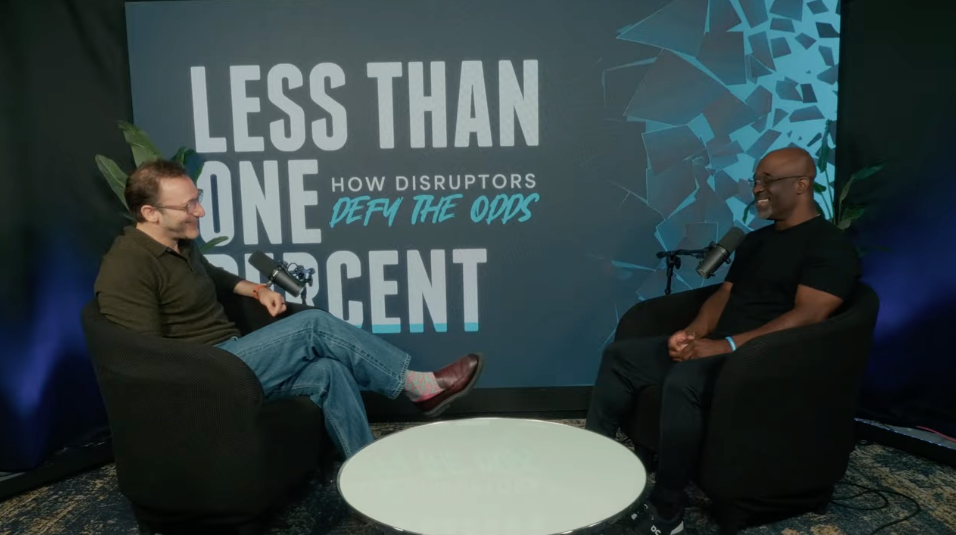

Welcome Simon Sinek to Less Than One Percent
Finding your Why
Authenticity and the courage to be yourself
The power of the assist and team success
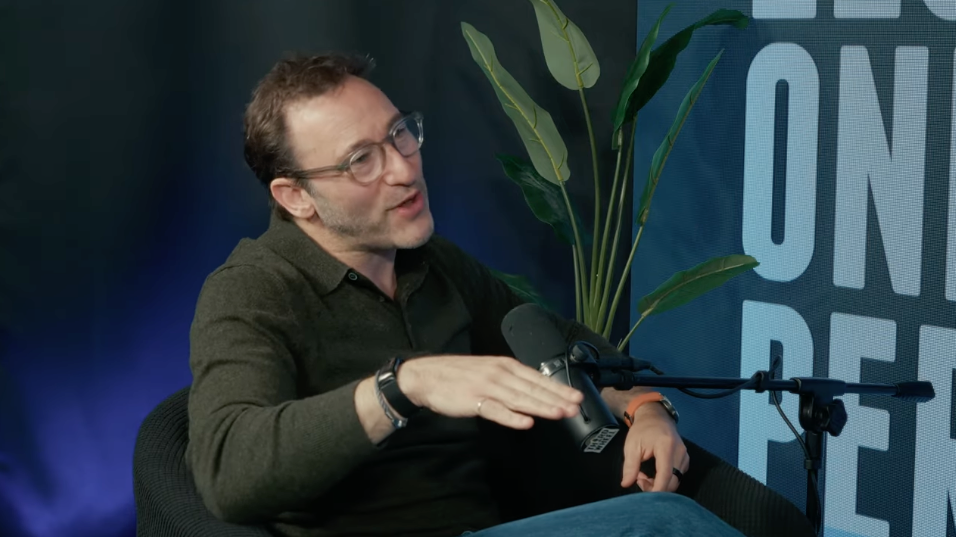
Optimism vs. Happiness
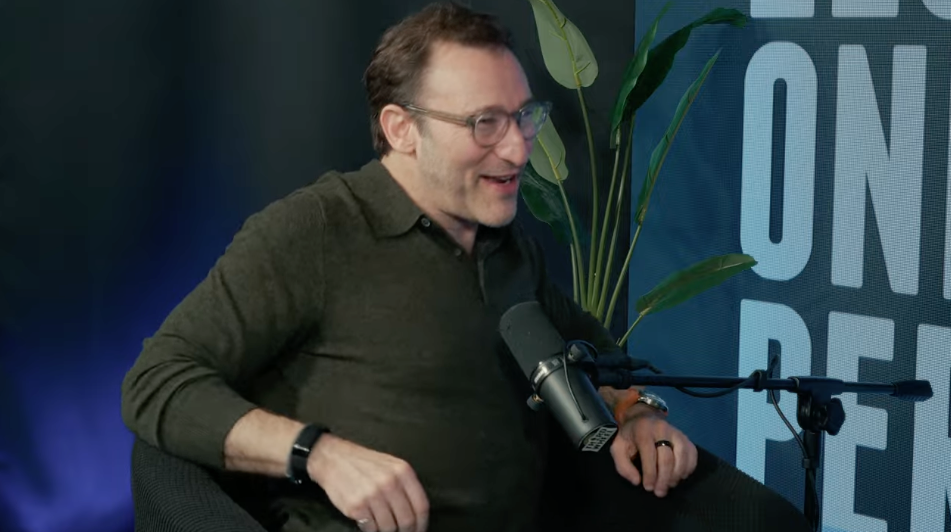
The three traits of disruptors
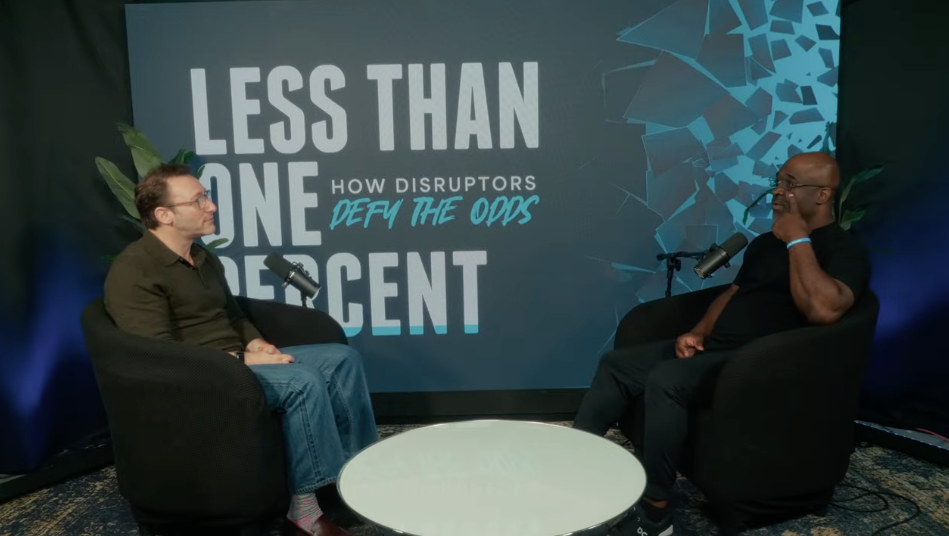
Simon Sinek's superpower
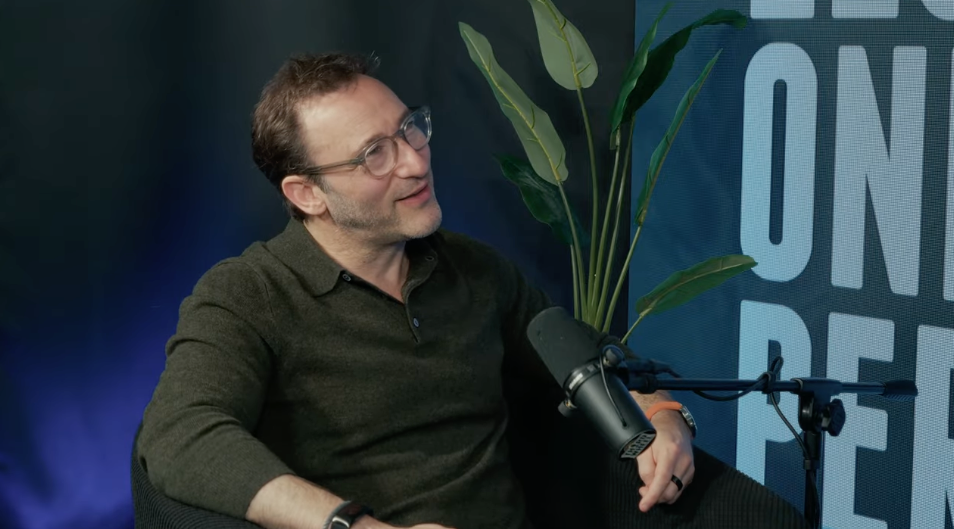
Why Simon is writing a book about friendship
The loneliness of leadership
The best leader Simon has ever known
Closing Thoughts: Advice for people who feel underrated

Timestamps
Transcript
0:47
Welcome everybody to Lesson 1%. We did something a little different today. Normally we report in Dallas. Um,
0:53
but I decided to actually I didn't decide. My guest said, "What could could
0:59
we do this um where I live?" Um, which actually is brilliant because I I love
1:04
where I love LA. Um, and we have an opportunity to spend time with my friend. Now, we've gone done a lot of
1:10
different things together. Um, but I don't want to go too far and just introduce Simon Sinn.
1:17
Thank you so much. You sound like a diva. Uh, I wouldn't, you know, I wouldn't say diva. I
1:23
wouldn't say diva, but definitely, we tal talked about this just briefly, pre-show, when you're dealing with your
1:30
friends and you want, you know, listen, you're you're going out of your way. It's your time, right? You're spending
1:36
it with me, which is wonderful, but we want to make sure it's still wonderful. I wanted to do it.
1:41
Awesome. And it made it it made it possible to do it here, and it would have made it more
1:46
difficult to do it in Dallas. Are you a diva? Diva, I I I'm pretty low maintenance. Okay.
1:51
Okay. I'm pretty low maintenance to be honest. Like I I hate when sort of like I I hate
1:57
being fussed over. Like whenever like I go to events and you know they're like give me a separate room for my lunch and like I eat with
2:03
the crew. I eat with every like I I hate I I hate being fussed over. And you're consistent with that because
2:09
you came to our event and you did not want to eat separately. You didn't want to be in a separate room. You wanted to just hang out and you wanted to see all
2:16
the things we were doing. Amazing. Of course. That's like, of course.
2:22
Do you remember when you made me cry? Uh, only once.
2:31
Which time? You made You made me cry. So, we we um I want to talk about a lot of different
2:36
things, but um you did a you know, sort of a Yeah
2:40
You know, you went down into
2:42
Yeah, we did a Y discovery together. Yeah. And I'll be honest with you, I was
2:48
Not skeptical because I mean I felt like I knew me.
2:53
Yeah. I felt like I'd already kind of introspect and you're pretty self-aware. But you you took me down a couple rabbit
3:00
holes and when you said it, I don't know if you remember you had the all these notes. So just so you know,
3:06
Simon does this and you you're you're going to talk about that. You built a whole like a whole thing around this,
3:11
but he had you have all these notes and you're writing things down. And some of the things you wrote, I probably had nine to 11 pages that I
3:17
and the way I have my notes because basically what I'm doing is I'm interviewing you. Yeah. With a very structured interview.
3:22
Yes. To try and find the patterns in your life that reveal who you are. And that's what a Y discovery is. It's really about
3:29
pattern recognition that I'm looking for all the times where you are naturally in flow. Naturally, everything is working.
3:35
You know, like everything's great. What what what exists is there's a pattern that the same things are always there.
3:42
the same behaviors, the same beliefs, the same uh activities are always there when you're at your natural best,
3:49
right? And when you're not at your natural best, where things are more difficult or struggling or even if there's, you know, hardship or failure, then one or more of
3:55
these things are missing. So, I'm looking for the pattern that exists when somebody's operating at their natural best. And I can discern what the why is
4:02
and I can discern what someone's hows or natural strengths are. And that's the process I took you through. How how do you how do you how did you
4:09
develop that process, though? How did you sit down and figure out this is how I get to somebody's why? Is there, you
4:16
know, it's a good question. Uh, nobody's ever asked me that. Um,
4:21
I mean, I studied culture anthropology in college. Yeah. And I focused on something called
4:27
ethnography. And ethnography is a discipline within anthrop a discipline
4:32
within anthropology where the researcher goes into the natural environment of the
4:37
people they want to understand or study the culture they want to understand. So think of it as the opposite of a focus
4:42
group. Right? So focus groups are I take the people I'm interested in and I bring them into my environment. So I'm the
4:49
relaxed one and they're the uncomfortable ones. Right? Ethnography is the opposite where the researcher
4:55
goes into the natural environments of the people that they're interested in, of the culture they're interested in,
5:00
and they they embed themselves and immerse themselves. And so I was trained in that. I studied that in college in
5:06
Yeah. studied that in college. And so I was good at being immersed in and being
5:13
an observer and and pattern recognizer because that's what I learned. And so I it it came from that. Um the discipline
5:20
is it it gave me the tools to to then apply them to an individual. When you go through that process, are
5:26
you often are you often wrong like you know do you get a why statement that you
5:32
know you sort of feel like you're passionate about like this is it for this person and they totally are like that's not it.
5:37
It's not really how it works, right? Because I'm not there to be right. I'm there to uncover gold. I'm panning for
5:44
gold. And you know, and you remember this, like I'll go down a certain length
5:50
of time of pattern recognition by myself. Then at some point I go, "Okay, now this is where I need your help." Yes.
5:56
Then the test is how does this feel? So I'm showing you the gold. I'm like, "Does this feel?" And and so I'm waiting
6:01
for somebody to go, "Whoa." Or in your case, well up with tears. You know, you
6:07
what I'm looking for is an emotional response because that means I I hit them where it counts. And so it's not I've
6:13
I've there's only one person in my life that I I couldn't figure it out. And that's probably because they weren't
6:18
being honest with me, right? Because the the minimum standard is you just have to answer the questions honestly. And if you don't, it won't
6:25
work, right? Um uh um but uh but otherwise, no, they've all
6:31
worked because that's who somebody is. Now, where it gets funny funny is that I
6:40
absolutely nail who someone is, but instead of accepting who they are, they're comparing them themselves to
6:46
somebody else, right? And they want to be that, right? So, they may be they they they don't
6:52
disagree. They completely agree that that it's it is who they are. They just wish they were someone else,
6:57
which is a different conversation. Yeah. Yeah. My my dad and I just had that conversation this morning. Yeah,
7:04
absolutely. Just who wishes they were someone else? I don't think it's a wish. I think the
7:10
it's funny how you always give me goosebumps at times when we whenever we talk because it's it's it's on a
7:16
different level. Let's see. Um
7:21
I I think the search of life meaning
7:27
search of life meaning is to accept who you are and dive into that and whatever that
7:34
you know 100% authentic superpower thing you do and be able to impact the world.
7:40
Yeah. Through that. And so we were talking about writing and you know and speaking
7:46
and all these different things and I you know I told him I said dad you know sort of there are really popular people who
7:52
speak all the time that just you know you're just like it's just sort of empty and then there's people who are profound
8:00
that really change people's lives that probably don't aren't very popular. Yeah. Um but that's okay.
8:06
That's okay. You don't want to be someone else. I mean the only thing you know I am me and I would be me
8:13
whether I had a bully pulpit or not. Yeah. And I've always been that person who has
8:18
that sort of optimistic inspirational sort of impact on the people around me.
8:25
The only thing that a career affords is the opportunity to do it at greater scale. Yes. But it doesn't it didn't my career
8:32
didn't give me who I am. it just allowed me to operate and touch more people's
8:37
lives, right? Um, where where it gets really where people get insecure about their why is
8:44
there there's sort of broadly speaking and nobody's purely one or the other, but broadly speaking, they're sort of
8:49
two big groups of Y types and how types, right? A Y type tends to live in the
8:55
clouds, a little more visionary, you know, uh they can change the world, right? The how types tend to be more
9:03
functional, more sort of like operator, right? And you see it in their Y language, right? So in in the in the in
9:10
the the Y language of a how type will be you'll see things like build, create,
9:15
those kinds of verbs, right? Mine mine is to inspire. It's like ethereal,
9:21
right? And what I've learned is that, you know, is h why types can change the world.
9:27
If only they knew how. uh right how types can do extremely well. They'll be
9:32
very successful but they may not have worldchanging or life-changing uh impact from their work
9:40
unless they align themselves with that a Y type. So how types will will will always be will always do well
9:46
right? They just won't work at the crazy scale unless they align themselves with the Y
9:51
type. The Y types could change the world but they're completely dysfunctional without help. Is it that CEO COO?
9:56
Yeah, it's that kind of thing. Like Walt Disney had the ability to change the world, but not without his brother Roy. Roy would have done very very well
10:02
without his brother, right? But Roy needed uh needed Walt to have
10:08
the impact that he had in his life. Uh Walt uh would have been dysfunctional
10:14
and probably Roy joked about it. Um uh that Walt would have gone to jail for bouncing checks if it weren't for me,
10:20
right? And I can relate, you know? Um uh and so where where it gets interesting
10:26
when you do wide discoveries is how types are sometimes very insecure about being how types because our world
10:32
and I think unfairly tends to lionize and glorify the the the why types the
10:39
Steve Jobs's yes you know the visionaries we tend to give them too much credit
10:45
and then these people who actually make stuff happen who sort of linger in the background and because we we overindex
10:51
on the value of the Y type, remember, who cannot get [ __ ] done without help. Right. Right. Right.
10:57
And very few people in the world, very few people are like balanced both like
11:03
excruciatingly. That's what I was going to ask you. Can you It's They're mutually exclusive to a to a degree. No, look, nobody's purely one or the
11:08
other. Okay. Clearly, I'm not completely dysfunctional and drooling on myself that I can't get anything done. You know, it's it's a it's a ven diagram,
11:15
right? But on balance, I I need people to help me. I am not good at building
11:21
structure and I'm disorganized because my head's in the clouds, right? I'm an artist. Think of it that way.
11:26
I creative. Yeah, I'm a creative, right? You think of it that way. Whereas the how types, like I said, head down and they because our
11:33
society loves the why types. Um the how types who are so good and so that they
11:38
they're like, "But I want to be like I'm like, I know you do, but you're a freaking badass. And let me show you the
11:45
pattern of how amazing you are and when you're inspired and when you're at joy." Just find somebody to latch on to or or
11:51
don't worry about the world changing. Yeah. Go have impact on the lives of amazing and and be an amazing leader. Just do it
11:58
at Yeah. You know, within a confined the confinements of a company. It doesn't have to be at a global scale,
12:03
you know. So, yeah, I mean that that that that why statement although, you know, we did a lot of work before that, but when you
12:09
did that why statement for me, it really changed my approach to everything. Um,
12:15
I haven't talked to you much since. Yes. So I don't I know we did it but I don't know how you implement it. Oh my goodness.
12:21
Oh shared please. Uh so so and we there were all kind of
12:26
stuff going on right the fires and there's all these different things and we just uh and I you know
12:31
anyway um I lived in a world when after that after that meeting it started a
12:39
little bit when we did some of the work with Vuiti. It started a little bit and you know we were we're just we were just
12:44
meeting each other and then we went um to Vale and I got sick on the plane. Yeah.
12:49
And and it started even more seeing how you think and how you communicate with others and how you talk to others and
12:55
just sort of the levels that you're you're at. You're not at a you're never at a superficial level like you're always digging deeper and deeper and
13:02
deeper which is uncomfortable for me by the way um because of all the layers I try to put up and the layers that you
13:07
got through in that in that discovery. Um, but for me, I separated um, and one
13:14
of the reasons that I have the podcast, one of the reasons that I dove into what I want to write about and how I want to
13:20
impact the world is because you merged two people that were living side by
13:26
side, walking together every day that I would not let come together, which was Moo, the, you know, the
13:34
rapper, the Moo, the DJ, Moo, the wanted to play basketball, on the MBA. All of
13:41
those things I hid to go and become go to medical school and all those layers.
13:46
And when we left there, once I got that why, I was like, "Oh, no. These are not everything that I do is actually part of
13:53
that why." Um, which is to inspire people to do the work to be greater than they ever thought they could be. I'll never forget
13:59
it. I'll never forget it. It's ingrained in my head, man. Yeah. But I merged That is who you are. I merged moo and by
14:07
2D CEO and it was scary. It was like I mean tears like you talk about tears
14:13
fears. It was scary because I didn't want anybody to know Moo. Moo is separate. Moo is I'm introverted. I
14:19
don't want to you know I love talking to you but the I'm I have all this anxiety
14:25
um before I talked to you because I you know I just I'm I'm by introverts by nature. Yeah. Yeah.
14:30
When I merged them it was like wildfire. It was like impact beyond anything I
14:37
would ever imagine. Just um I give a presentation to a bunch of medical students.
14:44
How do healthcare CEOs give presentation to a bunch of medical students for their wear out thou? Hey, it's the 21%, you
14:50
know, like all that stuff, right? And I said, "No, I'm going to lean into the rapper. I'm going to lean into the DJ.
14:56
I'm going to lean into the basketball player." And I did the whole presentation with little clips of rap
15:02
and little clips of music. And I had the crowd absolutely rocking. And I don't
15:09
think they even remember what I said. They just remember how I made them feel. But the ability to impact them. I had
15:15
people saying, "I didn't think I was going to get through med school. I was getting ready to drop out. And after hearing you merging everything
15:22
that you do, I feel like I can be more myself." So, I've never told you that,
15:28
and I wanted to wait until we were here to tell you that, but it's But think about that. You took the risk
15:33
to be more quote unquote yourself. You inspired other people to be more themselves,
15:38
which will fulfill your why, which is to inspire them to achieve more than they thought they were that they were capable of. Because if they try and live
15:45
life with this parallel path, they'll do fine. Yeah. But it has a it has a limit.
15:48
Yeah. It was scary though. It was super scary. I was worried about people in the CEO space rejecting MOO and vice versa,
15:58
frankly. And some will. Yeah. And a lot will. And some will. Yeah. You know, I I I I think if somebody
16:05
decides that they want to have an impact in the world. Yeah.
16:11
Um along with that decision, you have to get comfortable with the idea that not everyone's going to like.
16:18
And when I when I sort of made the decision that you know what because you get to
16:24
you get to you know when opportunities show up you get to say yes or no right you know and so when opportunities start
16:29
to show up and I thought okay do I want this um I had to say to myself okay fact not
16:38
everyone's going to like me because of this because of my work because of my style because of how I choose to show up
16:45
you know and Um, I made a deal with myself that if somebody doesn't like me
16:51
because they disagree with me, I'm okay with that. If somebody doesn't like me because they're intimidated, I'm okay
16:58
with that. Right? But if somebody that I respect doesn't like me, I've got a problem. That's on
17:04
me. That's on you. And that that's because I'm I'm believing my own hype or getting
17:09
arrogant or whatever it is. And now I got to like double check. Yeah. you know um but and and I started to see it when
17:17
I started on the speaking circus the speaking circuit speaking circus that's
17:23
true that's a true statement when I started on the speaking circuit you know speakers wore suits
17:31
it was unheard of to show up in jeans at a corporate event you know but I did and there were some
17:38
people that didn't like it and I thought to my whole point was but this is who I
17:45
am you know now it's normal you know um um and because I c I felt like I was
17:52
giving a message of authenticity right I couldn't act like someone else and I'm
17:58
not saying that everybody should wear jeans to events and I absolutely believe you have to be respectful it's not like I showed up in like you know a backwards
18:04
baseball cap or something yeah you know I didn't show up like I dressed on the weekend I still I wore nice jeans and shoes and a shirt and a belt and you
18:10
know I look nice but they blue jeans. Yeah. And there were some people who like would call up my speakers bureau and be
18:16
like, "He has to wear a suit, you know, like it it upset them,
18:22
you know." Um, but my whole thing was I have to be the message. I can't just say the message
18:29
because that's kind of what I'm talking. Yeah. You know, that doesn't mean And I think
18:35
I think in this it's an interesting conversation, right? Because in this modern day and age that message has now
18:40
caught on and everybody knows that and authenticity is a thing and all of this stuff but there but I think we sometimes
18:46
take it too far and get confused that you don't live in the world by yourself. Correct. Yes, you should be yourself. Yes, you
18:53
should be comfortable in your own skin. Yes, you should present yourself to the world the way that you feel comfortable that you want to be. And there are other
19:00
people in the world too. You still have to show respect for the institutions that you visit, for the places you go. Like if I go for a meeting in in in
19:08
Washington Yeah. in the white in the White House. In the White House, I will I will not wear jeans. Yes. Right. Because I it's I have respect for
19:16
the institution. If you go to if you go to a wedding or a funeral, like it's respect for the family. It's
19:23
respect for the institution. It's respect for the for you know, there's an expectation. And so, but I wear a tie
19:29
that makes me feel like me. I wear brightly colored socks. Like, there's still plenty of me. I like myself in the
19:34
suit. It's not just my it's not my dad's suit, right? You know, right? Um so, so I think that the because the
19:43
thing that I that I would lament about the the the the place that our country has gone is we've overindexed on rugged
19:48
individualism, you know, Malbor stuff, you know, and and we've over we've you
19:54
and I have had this conversation which is incentive structures reward individual performance, not group performance. There's very little
19:59
incentive inside companies to actually help each other. like if one if one department dips, every like, well, sucks
20:04
for you. My bonus is good. As opposed to, hey, nobody gets a bonus unless we all do well. Right now, you have an an
20:11
incentive to like help each other, right? Um, and and I and and I think that goes for uh how we how we want to
20:19
present our authenticelves to the world as well, which is don't go the rugged individual route where like I'm the only
20:25
person in the world and this is who I am and take it or leave it. like to there's a line and I think it's and you have to
20:31
dance the line and like some sometimes it's hard like sometimes you go too far and sometimes you don't go enough you know sometimes I was like [ __ ] I should
20:37
have just been more myself right and then sometimes like uh maybe I should pull it back a little bit you know like I'm not the only person here
20:44
and I just I I'm just sort of we have to remember that there are other people in the world you know it's like going to
20:51
the top of the subway and stopping and then then deciding to look at your phone it's like there's people behind you right it's like there's other people in
20:57
the the world and just that idea that like you're not the only person in the world and I think it goes with how we show up in the world as well. We're
21:03
social animals, you know, and you know when when when somebody says you know like apologies
21:09
I'm really going on my soap box here. Interrupt me at any time like like when somebody's like you made
21:15
me sad it's like I can't make you anything. your emotions are like no
21:21
you you can the way you show up in the world the way you speak to people the way you look at people absolutely has an
21:26
impact on how people feel about themselves yes they have their own emotions there there's there's there's two parts how they their own narratives
21:33
their own stories their own self-image absolutely that plays into it but in the in the in the chain of causation you're
21:38
in it like if I'm an ass to you and I say mean things to you and I and I and I poke at
21:44
your insecurities then you say stop you're making me upset I'd be like, I can't make you anything. Your feelings are your response.
21:50
No, I did that, right? You know, right? Um and and I think we have to have
21:56
accountability to the world and to each other. And I think we've we've kind of
22:02
we're kind of slipping away from Yeah, we're losing it. We're losing kind of losing it a little bit% like like we rise together, we fall together,
22:08
you know, and and yes, I'm respons but this is what I love. I I don't know if you and I have ever talked about this,
22:14
but Maslov hierarchy of needs. Maslov got it wrong, right? So on
22:21
Maslov's hierarchy of needs, he he has the base is food and shelter, right? And
22:29
the third level up is relationships. I've never heard of anybody dying by suicide because they were hungry. I've
22:35
heard of people dying by suicide because they were lonely. Which means there seems to be something more basic than
22:41
food and shelter. Right? Kind of. The mistake that Maslov made is every moment of every day we live in
22:47
paradox as human beings. Every moment of every day both of us are individuals.
22:54
You are moo and Simon. And every single day we are members of groups. You're a
22:59
member of a company. You're a member of a family. You're a member of a team. church, right? And so every day we are
23:06
forced to make decisions. Do I put myself first at the expense of the group or do I put the group first at the
23:12
expense of myself? It's paradox. And there's an entire school of thought that says, "Nope, you have to take care of yourself so that
23:17
you can take care of the group." And another school of thought that says, "Nope, you have to take care of the group so the group will take care of you." And the answer is yes.
23:23
Yeah. Like it's paradox. And every day we're confronted with this tension. Sometimes we overindex in one direction at the
23:30
expense of ourselves and our own happiness, our own health. And sometimes we overex overindex in the other direction and we kind of like screw the
23:36
group because we're like I got to take care of me first. And it's it's a and so Maslov only
23:42
thought of us as individuals. As an individual, you're right, food and shelter have to come first. Yes. But as a member of a group, as a member
23:48
of society, as a social animal, feeling like I belong is actually more important
23:54
than food and shelter. Yes. And then at the top of his pyramid, he had self-actualization, right? Which is group
24:00
like I'm going to stand on the top of the pyramid and look down at every what about shared actualization that we rise together that we get through this
24:06
together. And that's the point and that's the that's the paradox and the
24:11
the internal battle that I'm talking about. We've overindexed on the Maslov on the Maslovian pyramid. We've
24:17
overindexed on individualism. We've overind overindexed on me before we and I'm not rejecting it. I'm simply
24:24
saying let's get the balance right. Let's inject more we before me. Let's
24:31
inject more service before self. Let's inject more togetherness. Let's inject
24:36
more us remembering that there are people in the world. And let's also inject more I do have an impact in other
24:42
people's lives. Yeah. And and though I am responsible for me and my own feelings and my own
24:48
how I show up, right, matters. I can be myself and I can be myself and and it sometimes
24:54
there will be conflict. This is why being human is hard. It's really really messy. Yeah.
24:59
You know, when you're a gazelle, it's the group. Simple. It's just a group, right?
25:04
Well, unless you're running from the lion, then No, but even then they, you know, gazels put put the put the sick and old on the
25:11
outside. Yeah. So that those get eaten first. So for social animals, this is why ostracization, being ostracized is so
25:20
horrible. Yeah. Which is why making fun of a kid at school is better than ostracizing a kid
25:27
at school, right? Because when you make fun of a kid at school and you bully a kid at school, at least they exist.
25:35
And there's data on this, right? where the kids that are ostracized
25:40
and shunned, that's way more unnerving for a social animal because it's as if
25:46
you're putting me out to die. It's as if I'm one of the sick and weak that you're leaving for the lion to peck off. And
25:53
that feeling of ostraciz of being ostracized is so traumatic to a person. And I'm not
26:00
diminishing the trauma of bullying. Yeah. that the comparison I'm making is that making fun of a kid or being hard
26:06
on us is the it's even worse to ostracize them. Yeah. And
26:11
uh and so and again it's deeply ingrained in our in our mamalian selves.
26:16
Yeah. You know um um and so yeah I just you know
26:23
when there's a kid standing over by themselves like the person that goes and be like you good. The hardest the hardest part of what you said, we we we
26:30
put something and as I was thinking of of we we've talked about this before and
26:35
we we have a a thing we call the assist, right? So we have all these principles. We overme is one of them. Yeah.
26:40
Which I think you know always needs to be qualified as you said. Um but the assist, right?
26:41
And I'm on this you're you're influencing me again.
26:51
I've I've been on this crusade in my mind and trying to look up data. So, soccer, basketball, um football, uh you
27:00
name it, right? These are these are team sports. Hockey, right? And you can't exist without
27:05
teammates. Yep. Um but assists, hockey probably does it the
27:11
best because they count two assist. Yeah. Um but everybody else is sort of one assist, but you never we never talk about the assist leader in soccer.
27:18
It's true. And so part of my reaction to that was Scotty Pippen.
27:23
Yeah. Yeah. Are we moving? Would there be Michael Jordan without who was the assist he passed the ball he was assist
27:29
king or my favorite which is fiction you know would there be you know um John Luke without Will Riker you know like there's
27:35
all these different things or Star Wars you know you Han Solo right like you know um so there's all these
27:40
different things and I and I thought the ultimate meritocracy in sports I mean there's probably other places like
27:47
tennis and golf and and and track right because at some level
27:52
if I'm the fastest If I'm the fastest, I'm the fastest, right? There are many people that help me get there,
27:59
but there's no underrated track athletes. There's no underrated tennis players.
28:06
Okay. What you're saying is so layered. Well, that's we have layered conversations.
28:11
So, let's unpack this. Obviously, right, an individual athlete, their performance
28:17
is their performance, right? Obviously, if they came in first, right, clearly they were the one who ran the
28:23
race and they were the one who performed. Clearly, right? Uh
28:29
but if you look at let's take Olympians for
28:35
example, right, which is just an exaggerated, right? that um individual athletes
28:42
when their careers are over regardless of their level of success you actually it's not actually the level of success
28:48
success does matter the successful ones tend to suffer depression at the end of their careers right so Michael Phelps
28:54
becomes the most medal Olympian of all time what happens next depression Agassi becomes the most storied tennis player
29:00
of all time what happens next depression team athletes tend don't tend to suffer
29:05
depression at the end of their careers Yes. And the reason is because they knew that it was us.
29:10
And so the the whereas the individual athletes, they're their entire identity is wrapped
29:17
up in quote unquote being the winner. Yeah. And and also because they're so high
29:23
performing and so individually driven that the all their relationships are very selfish like can you serve my
29:31
dream? Right? trainers trainers you know and they make tremendous sacrifices and if you cannot
29:37
serve their ambition you have no place in their lives and they tend to have maybe one person
29:43
they're wrong or something but you know or their sister or whatever it is like Venus and Serena
29:49
right but but usually what happens when their careers are over they have no friends because everything was
29:54
transactional that's interesting and so there's not only does their identity get threatened because they're
30:01
no longer the winner, the champion, the gold medalist. But now they also don't have a safety network, a friendship to
30:07
go to and hold because everybody was there isn't the championship team, you
30:12
know, meeting 20 years later and hugging about all the things or the and the and the coaches aren't all
30:18
getting together because you fired me. Yeah. Yeah. Yeah. You know, so yeah. No, that that's not happening.
30:23
Yeah. Maybe maybe Tiger's going through that. I mean, for sure. Yeah. you know, I mean, individual athletes who who get to
30:30
the point where they are, you know, like I said, the more because I talked to Olympians when I was when I was um
30:35
researching infinite game. I talked to Olympians and and I talked to um medalists. Yeah.
30:41
And I talked to people who never had a chance at medal and there was one Olympian I talked to who she went to two
30:49
Olympics, three Olympics, two Olympics. and she got she got cut after the first
30:55
round in both Olympics, right? Maybe she made the second. And she's healthy. She's happy. Her
31:02
head's good. And she was on the same team as the famous high performing, you know, if I dropped their names,
31:08
you'd know that who they were. We would all know who they are, you know. And she was like, I'm so glad I was never a medal contender because they're
31:14
all screwed in the head. Right. Right. She goes, I'm I'm good. I'm good. I got my Olympic. And she goes, "I got to enjoy the Olympics because I just
31:20
went and had fun." And you see it, you see the people who have no metal, you know, like,
31:26
you know, the pick a pick a pick a country that's, you know, some people just,
31:31
you know, the the the the the Jamaican Bodla team or the the the
31:37
desert the desert country that has a skier, you know, and like they have no chance of meddling at all. And they have
31:44
so much fun because they're at the Olympics. Oh my god, I'm at the Olympics. This is the best thing in the world. Yeah. You know, of course they want to
31:49
perform and sometimes they surprise us, but at the end of the day, they're so much more relaxed and having fun.
31:55
Yeah. Their identity is not wrapped into being the winner. Yeah. So, I agree with you at a metrics level.
31:59
Yeah. But at a if we if we widen the aperture, it that's more complex.
32:08
It is. It is. So, I I wanted to ask you a question about optimism. Yeah.
32:15
optimism is so I think um people misunderstand optimism it's it's why you
32:21
you are you know you built a whole brand around what what's the relationship with optimism and happiness
32:29
um so I think happiness is something that comes and goes and I think optimism is
32:36
something that endures so I think it think here's the here's the here's the comparison right you love your children
32:42
every single day of your life you don't like your children every single day of your life. You love your spouse every
32:47
day of your life. You don't like your spouse every day, right? One is fleeting
32:52
and it can be conditional or based on sleep or based on misunderstanding. The other one is more foundational and it is
32:58
built over time. You can like somebody the first time you meet them. You definitely don't love somebody the first time you meet them.
33:03
And so optimism like is like love. It's something that builds. It's something you nurture and it's something that
33:10
endures. Happiness is something that comes and goes. I am not happy every day, but I'm optimistic every day. Um um
33:18
I do think though that having having optimism in your life increases the chances that you'll be happy more often.
33:25
Like being madly in love with someone increases the chances that you'll actually like them more, you know,
33:31
uh you tend to be more patient with their their shortcomings because you just love them. Instead of getting angry, you just sort of smile, you know.
33:39
Do you think so? I don't know if you remember. So, I don't think I don't think they're the same. Yeah.
33:44
Of course, there is a relationship. You can pursue happiness without optimism. Go on a vacation, buy yourself a toy,
33:51
you know. Yeah. I I can give you happiness. Yeah. Yeah. Yeah. Happiness is fleeting. Fleeting.
33:57
Yeah. I often wonder about that. Um, you know, with healthcare, right? You
34:03
know, and we talked about this before. I wake up every day. I don't know if you remember this comment, but I wake up every day and I feel like I'm sick. like
34:10
to play basketball at my height, you know, and my daughter's 5'5, my son's he's actually 6'1.
34:16
How tall are you? Interested. I'm I don't know. I mean, I used to say 5'9, but every day I look in the mirror, I was like, it's getting
34:21
lower and lower. No, I'm I I was 5'9. Yeah. And I think and I not I think because I
34:27
say I think I know I'm shrinking. I know it. I think it's a muscle thing though. I think if I if I can improve my posture,
34:30
I think I think it's the gaps in between the because we're about the same age. Yeah.
34:32
Yeah. Yeah. We got to sit. Let's sit up straight. It's core. It's We both need massages.
34:45
Yeah. But yeah, so um so I I wonder, you know, so like I always joke and actually one
34:51
of the things I talk about when I get on stage is that um so I I don't think I I
34:57
believe optimism is a part of disruption which you know we Yeah. Say more.
35:03
Okay. So my three tenants of disruption are disagreeableness
35:08
and in my case it's not just being a jerk right which I can be but it's actually rejecting the status quo like you just
35:13
see like my learning style is you tell me something and my first thing is like I squint right no you right but that's
35:20
how I learn even if I come to the um answer that you're right my first
35:26
instinct is to say I need some more evidence which is it's like a built-in scientific method right
35:31
exactly right let me prove it real quick. It doesn't mean that I'm going to go read a book. It means just through my skull. I do the exact same thing. And and I'm
35:38
not being an [ __ ] Well, not not that day, but Yeah. But but I my I tend to lead
35:47
with doubt. Yes. So So So this and people take it the wrong way. They're like, "Why do you never never believe me?" I'm like, "Oh, no, no. I
35:53
believe you. I just need to go through this because I need to ask a I have to doubt in order to ask a million
35:58
questions to get all the information to learn." Absolutely. as opposed to just being like okay so the first step in disruption be and
36:04
when I say disruption is not not disruptive solve the problem for me this is great this is great and not
36:10
disruptive to understand disruption really change it's not being it's not being uh contrarian for the sake of it
36:16
yes yeah so so first step disagreeable right reject the status quo always be interrogative and sort of yeah
36:23
yeah I I will believe you but let me do some work first right second is optimism
36:29
which th those two don't always necessarily go together. Obviously, they go together in you. I think they go
36:34
together in me, but it's sort of like, think about it. I don't believe you, but I believe I can change the world. I
36:40
don't believe you. Or I don't like this, but I think it can be better. I think I think the way I'm interpreting
36:46
that is that it's me versus the problem, not me versus you. So I'm disagreeable
36:53
to learn, but it's because I want to know the answer for for so that we can solve the problem, not because I want to
36:59
be right and I want you to be wrong. And that's where it gets misinterpreted, which is where and that's what you're solving for me, which is when I'm when
37:04
I'm doubtful or disagreeable, people sometimes take it personally that I'm trying to be right and make them wrong,
37:11
right? Which is not the case. I'm trying to genuinely understand so that we can solve that,
37:17
right? And that's so so you think, right? So that's the optimistic. I have a lot of friends I like that
37:22
in healthcare and actually probably in other areas that have millions and millions and
37:28
millions of followers and everybody listens to what they say because they're just talking about something being
37:34
wrong. Healthcare is wrong. It's terrible. We know that. We've talked about this a hundred times.
37:39
But the optimism is like, "Oh, I'm going to change it." Yeah. Right. And then the last thing I think
37:44
is necessary for disruption is relentlessness. Right. which is and you do this all the
37:49
time. We're still doing this in some ways. I think that we could debate for eight hours and then and it would be
37:56
awesome. It would be amazing. We, you know, it's like whatever. But some people can't. Some people can't. They get to the point where they say we have
38:03
to agree to disagree. When people say that, it just means that the the problem is done. Like I'm not worried about it.
38:10
Also agree to disagree is just disagree. You just disagree. Yeah. Right. Like let's just disagree.
38:16
Yeah. If you can find somebody or something that is infinite, right,
38:21
healthcare is infinite. You have to be relentless if you want to be optimistic and change it. I mean optimistic and
38:27
think you can change it and then disagreeable meaning that you're rejecting the status quo. So that's my these are my three tenants for
38:33
disruption. Um I think they're in the right order too. Yeah, I think I they are you know they
38:39
come maybe not Maslo but they come in that in that's how they show up. That's how they show up. That's the
38:45
chronology, right? It's like it's almost like I feel like if you had to put into a into body
38:52
language, it would be the dog the dog, you know, when you say something
38:57
the RCA dog. Yeah. And then you smile, right? Which is the optimism and then you you sort of grit because
39:04
you're all right, let's do this. Figure it out. I mean, I I've talked about this a lot. You know, my favorite people to hang out
39:09
with are military. Yeah. And um it does happen in business, but it
39:15
happens more often when I hang out with folks in uniform, which is when we're debating something. Yeah.
39:21
Like it's amazing how egos get put aside. We're all in it. We disagree with each
39:27
other, call BS on each other, but nobody is like everybody's okay with it because
39:33
it's all of us versus the problem versus somebody trying to be right in the room. And this goes right back to the beginning of our conversation, which is
39:40
because we've overindexed on individual incentives and individual performance in business, it's important for somebody in
39:48
the room to be right because it makes them more promotable. Yes. Yes. Right. So, so I have to be right. I
39:55
don't care if you're wrong, but I have to be right. You know, um uh because that's what
40:00
makes me stand out. Where in the military, the incentive structures aren't that way. Um, and so organically
40:07
they tend to the team the team the sense of team is incredible and I'm sometimes an outsider who shows up and you know
40:15
and it's just it's kind of an amazing you it's you've been in those situations. It's an amazing feeling.
40:22
Yeah. Amazing feeling to be in the scrum with a group of people who care so much that nobody's right, nobody's wrong and I can
40:28
say stupid things. They'll be like that's interesting. Let's pick this apart. They'll be like no. And you're like okay let's try something else.
40:33
Yeah. There's a few people on my team who are ex-military and their approach is different. Yeah. Their approach is like there's I
40:40
wouldn't say fierce, but there's debate over what to do. Okay. What what do we do? How do we do it? Once we all agree to do it, I don't hear
40:48
from them again. That's right. Like I'm like I don't even And then all of a sudden they come in one day and
40:54
they say, "Well, how did that go?" They're like, "Oh, it's done." Like, "How'd it go?" "Oh, went amazing." And they'll never and they'll never say
41:00
and if it fails, they'll never say, "Told you so." Right? the the Marine Corps um uh does
41:06
this thing called the LRC. It's called leadership reaction course um when you're at OCS, which is officer
41:11
candidate school where they pick their officers. And um basically it's 20 mini
41:18
obstacle courses that you have to solve in a period of time, right? And one of
41:23
the things that they're evaluating is not only evaluating the leadership qualities of the person who's the leader, but they're evaluating how good
41:29
a follower all the other Marines are. So for example, they want the leader before they solve attempt to solve the problem
41:34
they get advice from the team like okay how do how are we going to solve this right and then they're looking for that leader
41:41
to take advice and then be decisive and and make a decision as to what the course of action should be and then and
41:46
then execute right they're looking for that they're evaluating but they're also evaluating everybody else are you contributing
41:51
and then once the leader has made the decision um will you work tirelessly to see the
41:57
leader's decision succeed even if you had a strategy, right? And if the leader decision fails, do you
42:05
go, "Told you so." Yeah. Or do you be like, "All right, let's work to fix this." And so they train and
42:10
look for the best followers as much as the best leaders. And what I've learned, and you and I, I think, agree on this,
42:17
which is the best leaders are the best followers. Yes. You know, yeah. Um uh because it it it is about all
42:24
together. And once the decision is made, then that's the decision. I'm going to work tirelessly to see that the leader's decision is is successful because that's
42:32
what they decided and that's how we're raised. Where in business, if the leader makes the decision that I disagree with,
42:37
yeah, I'm going to halfass it. I'm going to say, "Told you so." You say, "You should have gone my way." And the reason is is because I want the promotion.
42:43
And even worse is that you go tell other people or you sabotage. You sabotage or you
42:48
say, "Oh, see I told you that it wasn't the right decision." And I I see that more than I
42:53
And you do it you do the work begrudgingly. Yeah. as opposed to with zeal. Yeah. And so I have so much respect that that
42:59
the that they have learned that the best leaders are the best followers and the best followers actually make the best leaders. Yeah.
43:05
Um and even the best all the best leaders we know, you know, all see themselves in service to something
43:10
bigger themselves. The pope is not the head. The pope is in service to something even bigger, you know. And so the best leaders, no matter how senior
43:17
they are, all seems themselves at some point in service to something. Yeah. Or someone else.
43:22
So, um, I I hope to make you cry, but I know that I don't.
43:22
Is that the goal? The goal today. I mean, I cry all the time on camera. I'm being I'm being terrible. Um, but I
43:34
do want to ask you something that that I now have. Um, I wouldn't say I stole it from you,
43:39
but I did I do I do want to know this about people. Like, I've found a thing that I ask
43:45
everybody that I want to know because I'm fascinating. It's it's fascinating to see what people how people answer
43:51
this question. Yeah. So, I'm gonna ask it and then I'll qualify it to give you a chance to to
43:57
speak uh to think about it. So, I ask people what do they think their superpower is? Yeah.
44:03
And then I'll qualify it. So, um a superpower is something it's almost like it's a little bit like the Y statement,
44:10
but I think it's just a little bit different. What are you really, really, really good at? Yeah. And what
44:16
you lose no energy. You're just it's your instinct. Yeah. And that you just So my my superpower is
44:22
relentlessness. I'm just relentless. Like I just keep trying and keep trying and keep trying, you know, even though
44:27
I'm I might be sad, I might be hungry, I might be upset, but I just keep doing
44:32
it. So what would you say your superpower is?
44:38
So I mean there I have there are talents that I have, but I don't think that's a superpower. No, I think yeah, those are sort of
44:44
quality things I'm good at good at. Yes. Yes. Those are not things you're I mean that are effortless. Yes. You know, and
44:51
come easy. But if I called somebody right now and said one of your friends, you know, one of our friends, if I called uh Carissa and
44:58
I said, Yeah. Hey, I got Simon here. What's his superpower? Yeah. You know, what would she
45:05
I think I think I mean I' I've asked my friends these questions uh as part of learning about the concept of why. So I
45:11
I I I think my superpower is probably is the ability to inspire. You know, um the
45:18
way I show up, the energy I bring, the way I think about problems, the way I think about the world, I think makes
45:24
people feel inspired to want to push or keep going or discover or whatever it is their thing is, you know, to be the best version of
45:30
themselves. You know, I want to inspire people to do what inspires them. Um I give a good rahrh speech very, you
45:38
know, I don't plan for it. You can right say Simon say say you know you're a freestyle rapper is
45:44
a freestyle rapper. Yeah I I think my superpower is is to inspire. That's awesome. Yeah.
45:50
Would your friends say that that's Yeah, I think they would. Yeah. And I love that word. Yeah. Like if you ask me what word do I want
45:56
on my on my you know my costume? I think big capital I the word inspire would be
46:02
the thing. Would you would you have a cape or no? No cape. Good question.
46:06
Or would you do the or is
46:07
it the latex bodysuit? Yeah, I mean they're very fashionable
46:12
like Batman with a cape. Yeah, capes are pretty cool. So what's what what's new now? What are you what are you you know passionate
46:19
about now? Things that you're I am writing a book about friendship. Um you know there's an entire industry
46:26
to help us be better leaders. Yes. There's an entire industry to you know help you find love you know and there's
46:31
precious little about friendship. There's books about making friends, but there's very little about being a friend.
46:37
And if you look at the world we live in where rising rates of depression, anxiety, obviously loneliness, yeah, you
46:42
know, in the extreme case of suicide, friendship fixes all of those. Even the obsession with longevity, friendship contributes to that.
46:48
Yeah. You know, friendship literally fixes all those things. And yet, if you ask people, are you a good friend? Most people will say yes.
46:54
But if you peel the onion just a layer, most of us are actually pretty bad friends. Yeah. You know, would you would you cancel on
47:00
a on a friend because you have a meeting? Would you cancel in a meeting because of a friend? Oh, but my friends will understand, right? We take our
47:06
friends for granted. When you're struggling in your romantic relationship, what do you do? You get a therapist. Yeah.
47:12
You get counseling to help you figure it out. When friendships run into trouble, what do you do? They just walk away.
47:18
You walk away. I know friendships that have been years long, they have one disagreement, one fight, and it destroys
47:23
the friendship. That that doesn't really happen in marriages or romantic relationships. And we have lower standards. Um, and as
47:32
a result of all these things, you look at sort of how our world has app has sort of sort of even what we value. Like we've overvalued the romantic
47:39
relationship and undervalued the friendship, right? You know, so true story. Um, my longest
47:47
relationship is three years, right? I've never been married and probably a little more but and I've
47:53
never married and like I'll go on a date, people will say, "What's wrong with you? What's wrong with you? You've never been
47:59
married? What's wrong with you? Oh, as if it's a as if it's a as if I have a medical condition.
48:04
Right. Right. Like it's a there's a problem or there's a reason problem. Right. And then they've they
48:10
diagnose me. You clearly have commitment issues. Clearly, right, to them. Right. Right.
48:16
Uh and then I started to believe like I don't think I do. Maybe I do. You know,
48:21
I have a friend. She was in a 16-year relationship. She will freely admit she should have been in it for one year, right? He was an alcoholic. It was very
48:28
dysfunctional. and she stayed in it for 16 years. We talked about this last 16 years even though she should have been in one. Society looks at her and
48:33
says, "Well done. That's that's correct. Better you should be in an unhappy relationship for over a decade that ends
48:40
in divorce, right? Rather than not get married because you just haven't found the person or maybe
48:45
you haven't found yourself or whatever it is." And I'm not my my point is is like
48:52
I want people to find the relationships they want, you know? I want people to have whatever they want. Point is is
48:57
like If I I'm a happy person because I have amazing friends and my friendships
49:03
have have kept me alive and kept me happy, right? And I've invested in my friendships and
49:09
some of my friendships are better than some people's marriages, right? But society looks at me and says
49:14
she did it right and and I did it wrong. That is that is that is and so I'm simply saying let's give
49:21
friendship more credit. You know, we celebrate Valentine's Day. So, you have
49:28
to have a Valentine. So, you make feel people feel like they're a loser if they don't have a Valentine. In
49:34
Scandinavia, in Finland, for example, there is no Valentine's Day. It doesn't exist. February 14th is friend day.
49:43
Which can also be the person you're in love with. Right. Right. February 14th is friend day. That is
49:49
correct. Let's celebrate the friendship. And people who say my partner is like my best friend. Great.
49:55
Celebrate friend day. I think we should get do away with Valentine's Day and I think February 14th should be friend day.
50:00
Yeah. Right. It doesn't it doesn't devalue the relationships. It highlights the
50:05
friendships. Right. And and friendship is the it's ubiquitous. It's the greater or it's
50:11
sort of the thing that all of these other relationships are built around. I mean at some level even in even families
50:18
parents. Yeah. I mean there's a component of that friendship that if you don't have you know you you can have pretty poor
50:24
relationships. My friend Will Guera says this. He says like if you're a better friend it makes
50:30
you a better leader. If you have really good friendships your friendships help you be a better leader and help you be a
50:35
better spouse or or or romantic partner. But if you're a great leader it doesn't make you a better friend. And if you're a great romantic partner it doesn't make
50:42
you a better friend. Sounds good. friendship is the only one that actually benefits the other relationships.
50:47
So, and so when I'm and and again, I've carried like I've done it to myself. And
50:54
so uh and so when I realized this, I was like, I'm going to write about what it means to have a friend, how you how you
51:04
nurse a friendship, how you look after a friendship, um uh how you end a friendship, how you repair a friendship,
51:11
you know, um like actually the skills of how to be a friend. So that's that's what I'm obsessed with right now.
51:17
Is it I mean there's not many people writing about that. No. And I hope more do like just like
51:23
leadership is there's like a bazillion leadership books. Yeah. I hope that there's a bazillion
51:28
friendship books and it's since I started talking about it about three or four years ago. It's starting to it's
51:33
starting to to rise and I hope it takes off. I I want competition. I want more people
51:39
weighing in on it. I'm not the only person has an opinion and I'm definitely not the only person who has a lock on the ideas.
51:44
I just I just have my point of view. It's fabulous. It's fabulous. I think it's a I think it's I'm evaluating my
51:51
the definition, the the maintenance, the all of these things, you know, and I actually do I do have a friend
51:57
um and I was going to say former friend before I asked you the question, but it actually still is still a friend
52:04
who who we like was was like I'm done. Yeah. But you're right. There was no
52:11
there wasn't no you have divorce. you have, you know, all these rules. Like it was just like I'm not talking to you
52:16
anymore. And and by the way, I've done it as well. You know, I'm not proud of some of it,
52:22
you know, and it's where and and people have done it to me, you know. Um and and and I think we live in a
52:28
world now, especially if you if it's a new friend, I mean, the standards are different. Yeah. Yeah. And and if it's a it's a casual friend,
52:35
but even even that like the taxonomy of friend, you know, in America, like you know, the Europeans
52:41
make fun of us because everybody's your friend, right? Right. And we do we throw that term about a little too loosely. Oh yeah, they're my friend. Like yeah, talk
52:47
to him. He's my friend. Like met him once. But you you you have a I try I try and use terms like
52:53
acquaintance. Yeah. I use terms like new friend. I use terms like work friend. Got it. I try and use the taxonomy to help
53:00
people understand the dynamic of these relationships and friendships because friend is a little more precious. But
53:05
you I've seen you obviously with me, with other people. Um, one conversation,
53:11
two conversations, 10 conversations. Um, you have an ability to make people want
53:19
to connect with you. That can be a challenge, right? And let's say you said
53:25
co-orker, you meet somebody who, I don't know, something transactional. You're going to they're going to go to Abu
53:31
Dhabi and Yeah. do some big conference and you know it's just they just want you to speak and it's done.
53:38
Yeah. But everybody that meets you there, the way you interact with them, they're
53:43
going to feel close to you. Yeah. Is that a how does that play into friendship, you know, somebody who's
53:49
nice and who's um I wouldn't say maybe not nice is the right word because I did watch your question about kind and nice
53:57
which I like that. I like that. But when somebody is infectious in the way
54:03
they interact with you, a lot of people want to be their friends. Yeah. But they don't want everybody as a
54:08
friend. That's too much work. Yeah. How do how do you how do you balance that?
54:14
Because there's some Let me let me qualify some more. So there's in I think you deal with this, right? There are people in my role who Oh, okay. CEO.
54:23
Oh, well, the minute you're the CEO, you're you're bad looking at all your jokes. Funny. No, it this is so funny.
54:28
Jordan's knows he's going to laugh at me. You're better looking. You're You're
54:34
lighter than you really are. Your jokes are funny. You're taller than you really are. Your jokes are funny. Yeah. Um and so you end up
54:40
and you're so much smarter. And you're so much smarter. And you end up with over this course of 10 years,
54:45
my group of people that I can have meaningful conversations with. Even if it's every so often, it doesn't have to
54:52
be daily. Yeah. Weekly, monthly, even yearly. that that number is so so small. Yeah. It's
54:58
actually like sort of the loneliness of I think these high level leadership roles because anytime you talk to somebody
55:00
it's like well either they want something from you or you want you need to get something them.
55:01
Yeah. Um
55:10
I don't know why I just said all that other No, I think that's I think that's true. I think that's true. Um you know I think
55:17
I think cander and honesty and not leading people on is a big part of it. You know, right? You know um I met a kid and he was
55:26
lovely and charming and nice and believes in the work. And he said, you
55:31
know, he said sort of akin to like, will you be my friend? He's like, will you be my mentor? Like,
55:36
I I can't pass up this opportunity. Will you be my mentor? And I said to him, we just met.
55:44
I said, you can't come up to a stranger, say, will you be my friend? You can't come up to me and say, would you be my mentor? Would you marry me? You know, it's like, I just met you. I
55:50
don't even know you, right? And you don't even know me. I I said the people who should be your mentor are the
55:56
people who know you and love you and care about you and if I had the opportunity to do that maybe but like
56:04
but I just met you so how can I say yes? Yeah that's that's that's deep. Okay looking forward to read reading I have a
56:10
couple quick questions for you. Um, we're almost at time, but um, best
56:16
leader that you've been around that you've been around, that you've experienced, that
56:22
you've met, not one that you've read about, but that you, you know,
56:28
I mean, there are some there's a couple names that come that are popping in my head.
56:28
There's one who likes to keep a low profile, okay? And he is
56:43
He's remarkable and when you talk to him and you try and pay him compliments
56:48
he it's not that he has no ego he his ego is fine and like don't confuse you know what did
56:54
Bob Gayler the fifth chief master sergeant of the air force said don't confuse humility with meekness
57:00
humility is being open to the ideas of others it's not an awes
57:06
and this leader he's one of the most confident humble people I've met is a badass ass. He knows he's a badass. He
57:13
knows he's got power. He knows he's smart AF, you know. Uh he knows he's got
57:19
grit and competence. He knows he's got an amazing resume. He knows all those things. And if you pay him a company to
57:25
be like, Simon, I appreciate the company, but you have to understand I I work with some of the most amazing people.
57:31
Yeah. You know, and he is fully aware that his success and his position is the result
57:36
of all the assists. Yeah. and he's always grateful to be and and I see him his interplay with others
57:43
and that people show him amazing respect when he walks into a room and is he's so
57:49
gracious and grateful and that doesn't mean he doesn't hold people to high standards. He holds people to very high standards
57:55
and uh people want to do right by him but but his humility inspires
58:03
his gratitude. Yeah, I think humility is is is one that Do do you think that you can learn it or
58:09
do you think it's just something very innate? No, I think you can learn it. Okay. I mean, like some somebody has to be
58:16
served a big piece of the pie, right? To to learn the taste of humility,
58:21
uh, of course it's learnable. Of course it's learnable. I The sad part is is I see this in senior leaders
58:26
sometimes is they were humble. Yeah. And then they started to believe their own press. Absolutely. And they start to
58:32
believe their success is because of them. Yeah. And they forget the number of people who
58:37
who helped them along the way. Yeah. No, I' i've definitely found that the we did this becomes the story becomes revised over time that I did
58:43
this. Yeah. Or you meet like I like a lot of musicians you you see on my Instagram. I have a lot of like drum cool drummers
58:49
and cool different people and I always reach out to them. I always reach out. You're amazing. and and the the the best
58:56
leaders out of them, they'll go from, you know, being nobody to being
59:01
everybody and they'll always like they'll answer my texts right away. Like they'll call me. They'll, hey, I'm going to this con. I'm like, can you come? I
59:08
was like, no, I can't. You have a million people there. Um, but the ones there's some of them that don't even answer once they get that that ramp. Um,
59:15
okay. one thing that you haven't said
59:22
anywhere else that you can that you can say on this one
59:28
or maybe it doesn't have I mean give me a little more focus than that. Yeah. Like is there something is
59:33
there something that that people could learn about you that they wouldn't know from digesting you
59:40
in other venues where you are a lot? Um
59:45
I mean I think yeah sure I mean people think I'm this like hardcore business guy and I'm not. I'm an artist. I show
59:52
up like an artist. I act like an artist, you know. Um, and my sensibility is much
59:59
more of an artistic sensibility than the way I solve problems and come to come to the table. Um, which makes me a misfit
1:00:06
in the business world. Yeah. But also makes me a misfit in the art world because I have one foot, you know,
1:00:11
squarely in the business world, you know, written business books. Um, or misfit. Maybe you're pushing that.
1:00:19
I mean, I don't belong anywhere. Yeah. you know, uh, and I've been a
1:00:24
misfit my whole life. You know, I was friends with everybody in every click, but I wasn't really in any click, you
1:00:29
know. Uh, and you know, it's it's like everything. It's not a good thing or a
1:00:35
bad thing. It has it it's wonderful to be a misfit and unique. And it's also wonderful. It's also
1:00:40
you're like, I wish I belonged somewhere, you know. So, it's not a good thing or a bad thing. Just is. Yeah.
1:00:46
It's a strength and a weakness, you know. It's a it's a it's an advantage and it's but I I yeah I it's I like I like being
1:00:54
an artist and I love artists. My two favorite people in the world are military and artists and the amazing thing is they're the
1:01:00
exact same human being, you know, because both of them um
1:01:05
neither of them thought they were going to get rich doing what they're doing. Yeah. Both of them, whether they knew it from
1:01:11
the beginning or discovered it later, what they do is became a calling. um both of them um make huge sacrifices
1:01:20
to do the thing that they do. And in both cases, a 100% of the benefit or the
1:01:25
value of the thing that they do is for others. And so for me, when I hang out with my artist friends, I hang out with my
1:01:31
military, it's the same. It's the same same same value set, same motivations,
1:01:37
service orientation. Yeah. Same same. Any any uh since we talked last, it's
1:01:43
been a little bit I've been through obviously a lot of transformation. Um, you have any questions for me?
1:01:50
I I mean I want to sit down with you afterwards and I want to hear all the things that you've been doing in the
1:01:55
combining of two moves. Yeah. Yeah. I'll try I'll promise not to cry.
1:02:00
Uh, that's really wonderful. Yeah. And I love that the work that we did
1:02:05
together sparked that. Absolutely. Like that to me is the greatest gift you can give me. Yeah.
1:02:11
That instead of just having an interesting session together that it actually
1:02:16
played a role in the next stage of your life. Yeah. Or the next stage of your career. That's
1:02:21
really that's I'm I want to hear that.
1:02:24
Yeah. It's just Yeah. Well, that's a whole podcast. That's like No,
1:02:27
that's like a whole uh that's like a whole weekend or something. Um
1:02:32
so, you know, most of the people that, you know, digest this and um are I think
1:02:39
at some level they feel underrated. They feel little underappreciated, but they feel like they can't totally be their
1:02:45
100% authentic selves and they're not showing that superpower every day. What advice would you have for them?
1:02:51
Um, so I think the find a place you can I think the mistake that people make is
1:02:58
they think it has to be all or nothing or they think it has to be everywhere all the time and that is risky and scary
1:03:06
and you can easily talk yourself out of it or if it doesn't go well because sometimes it doesn't go well you will quickly have evidence not to do it
1:03:13
again. Yeah. And so go and do that in the safe
1:03:18
places. You know, I am not I don't believe that you have to be your full
1:03:24
completely open self in public all the time. That again goes to the value of friendship. You have to have it
1:03:30
somewhere, but you don't have to have it everywhere all the time. You know, I think, you know, there's this there's this um
1:03:36
concept in anthropology that has now been sort of adopted in the private in the in the in the world called code switching.
1:03:42
and everybody knows what it is and it's sort of gotten a bum wrap, you know. Um it's completely normal
1:03:50
that you code switch for the situation you're in. Like how I show up with my friends is not exactly the way I show up
1:03:56
on stage. Yeah. How I show up for an interview for the first time I'm interviewing for a job is
1:04:01
different than how I show up on my seventh year at the company. Yes. You know, how I show up at my friend's
1:04:08
wedding versus my wedding. like how I show up at a funeral, how I show up like, you know, the jokes that I can
1:04:14
make when I'm in a meeting versus the jokes I can make with my friends are
1:04:20
different. They have to be different. I have to code switch to be the
1:04:25
responsible leader when I'm at work. And I can code switch and relax and do things differently when I'm with my friends. You have to be aware aware of
1:04:31
the world and you slightly adjust. Now, the question is, you still want to bring yourself to all of the situations. So
1:04:38
the idea that that code switching is is bad if you're suppressing yourself,
1:04:44
suppressing your personality, suppressing who you are, then then then it's overdone, right? And so you don't
1:04:51
have to be your fully open, realized, magical, wonderful you, everywhere, all
1:04:56
at once, all the time, every place. I wouldn't recommend that because people
1:05:02
won't want know what to do with you. They won't know how to react. Some of it's legit inappropriate, right?
1:05:10
However, you do have to have some spaces
1:05:15
that all the code switching can go away. Yeah. And all of the tweaks and and and and
1:05:21
hedges that we have to make in polite society. Yes.
1:05:27
You have to have small places that you can do that. And some people are able to
1:05:32
find big places can do that. Some performers are able to to do that. love that for them. But we all have to have
1:05:38
some place because if you have one or two places or just a small group of friends that you can actually be your
1:05:44
fully ridiculous self and they don't judge you and they accept
1:05:50
you and they love you. That is what gives you the confidence and the peace of mind to go forth and be in the world
1:05:56
as an authentic human being in the world. You but you need you need to do it in a place that feels safe. So I
1:06:04
encourage people to go find the friends where they can experiment and start to
1:06:09
do that and take small steps before you take big ones and ask permission
1:06:15
sometimes if you want to if it makes you feel like can I try something with around with can I do you mind you know
1:06:22
uh and and you'll find out that you're more loved than you realized you're safer than you thought and you have
1:06:29
those spaces that you didn't know that you had just make sure you have them somewhere. Wow. Profound. Profound. I I So, two
1:06:38
things that Simon is right about. And now you all you will all appreciate
1:06:44
uh my code switching. When I'm around Jamaicans, I sound Jamaican. I don't want to hear it anymore that oh moon.
1:06:52
You know what I'm saying? No. When I'm around Jamaicans, I'm going sound Jamaican. And when I'm around Canadians, I'm sounding Canadian. Thank you, Simon,
1:06:58
for that permission. Um, and I think, you know, hopefully for all of you, and when I'm in England, I sound incredibly
1:07:03
right. Right. But hopefully for all of you, less than 1% has become a little bit of my safe place. Not 100% there, but I hope it is
1:07:11
for you. So, Simon, thank you. Thanks for having me. It's always a joy. Thank you so much. Such a joy. Awesome. Awesome.
1:07:16
So, good news, bad news. Here's the good news. A lot of companies are actually teaching the skills of leadership in
1:07:22
their companies. Bad news, they usually only teach it to the most senior people. That's crazy because the reality is
1:07:28
being a leader has nothing to do with rank. Leadership is a responsibility to take care of those to the left of you
1:07:34
and to the right of you. You can be a leader at the most junior levels. We need to be teaching leadership at every
1:07:40
level of our careers. Why? Because it helps us be better at everything we do.
1:07:45
This is one of the reasons we came up with Leaderful. It's leadership education. The same stuff that I would
1:07:51
teach senior people when I get invited to go to companies. And we make it available to as many people who want to
1:07:56
learn these skills as possible. And I say as many as possible because it's part of my vision, part of my dream that
1:08:03
we all learn these human skills and we all learn to become the leaders we wish we had. If you'd like to make Leaderful
1:08:11
a part of your journey, please check it out at simonscynic.com.
1:08:21
You been through the fire, but you did not burn. They didn't know you were
1:08:26
forced in the fire. They thought you give up, but you proved
1:08:34
them wrong. And all along
1:08:41
you were the less than one person.
Key Takeaways
- The greatest breakthroughs happen when people embrace their full identity.
- The best leaders understand that they are part of a team.
- Great friendships help people become better leaders, partners, and human beings.
Share with a friend
Episode Guests
Simon Sinek
Simon is an unshakeable optimist. He believes in a bright future and our ability to build it together.
Described as “a visionary thinker with a rare intellect,” Simon has devoted his professional life to help advance a vision of the world that does not yet exist; a world in which the vast majority of people wake up every single morning inspired, feel safe wherever they are, and end the day fulfilled by the work they do.
A trained ethnographer, Simon is fascinated by the people and organizations that make the greatest and longest-lasting impact. Over the years, he has discovered some remarkable patterns about how they think, act, and communicate, and also the environments in which people operate at their natural best.
Simon may be best known for his TED Talk on the concept of WHY, which has been viewed over 60 million times, and his video on millennials in the workplace—which reached 80 million views in its first week and has gone on to be seen hundreds of millions of times.
He continues to share inspiration through his bestselling books, including global bestseller Start with WHY and New York Times bestsellers Leaders Eat Last and The Infinite Game, as well as his podcast, A Bit of Optimism. In addition, Simon is the founder of The Optimism Company, a leadership learning and development company, and he publishes other inspiring thinkers and doers through his publishing partnership with Penguin Random House called Optimism Press.
His unconventional and innovative views on business and leadership have attracted international attention, and he has met with a broad array of leaders and organizations in nearly every industry. He frequently works with different branches of the US Armed Forces and agencies of the US government, and is an adjunct staff member with the RAND Corporation—one of the most highly regarded think tanks in the world.
Simon is also active in the arts and with not-for-profit work, or what he likes to call the for-impact sector. In 2021, he founded The Curve: a diverse group of forward-thinking chiefs and sheriffs committed to reform modern policing from the inside out. Their purpose is to build a profession dedicated to protecting the vulnerable from harm while advancing a vision of a world in which all people feel justice is administered with dignity, equity, and fairness.
For more on Simon Sinek and his work, check out: https://simonsinek.com/simons-bio
