How Solome Tibebu Turned Anxiety into a Mission for Behavioral Health
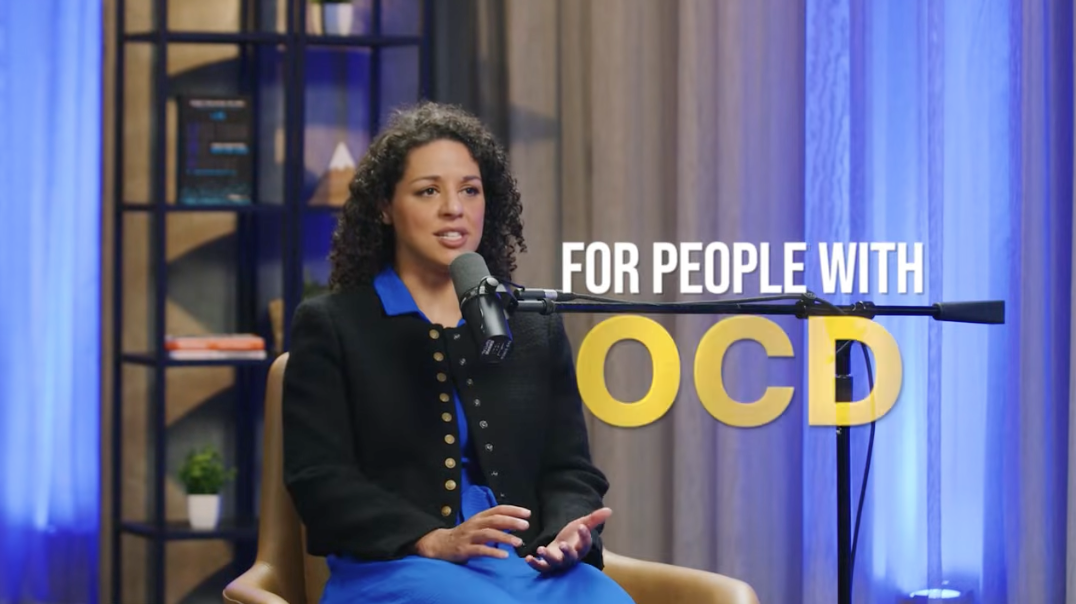
Solome Tibebu, founder of Behavioral Health Tech, joins Less Than One Percent to talk about her journey with OCD and anxiety, building a thriving behavioral health community, and discovering that community building is her superpower.
Solome shares what anxiety looked like for her growing up, why OCD can be difficult to talk about, and how finding clinicians specifically trained in exposure and response prevention changed her approach to managing the condition.
This is how Solome Tibebu disrupted the expectations around anxiety and turned a personal challenge into a larger mission.
Also listen on:


Timestamps
Transcript

0:00
For people with [music] OCD, a lot of folks assume that it's like, "Oh, she does [music] handwashing non-stop,"
0:06
which is of course a common theme, but people with OCD can have issues [music] or themes about millions of topics. And
0:14
so for me early on, [music] it was like if I didn't do something an even amount of times, like step on a crack in the
0:21
sidewalk an even number of times, I was all of a sudden going to become pregnant. [music] I find myself very funny. [laughter]
0:29
Like I say something that I think is funny and I'm the number one fan. Like I'm just cracking up and so people are
0:36
always looking at me. Or how what's your introversion like? I I mean I really value deep one-on-one
0:43
conversations. Yeah. Being around lots of people is probably challenging, right? Cuz you
0:48
All right, so we just got off the stage. uh amazing uh conference here at Empath
0:54
and you know I we've been talking uh a lot about behavioral health and I have
0:59
someone who has built an entire empire um which actually I'm trying to actually steal some things from her to build my
1:06
empire because I need more of you watching but um but uh I'll just start
1:12
I'll just start. So welcome welcome to less than 1% uh thank you for being here
1:17
uh thank you so much Dr. John Lson. Thrilled to be here. Yeah. So, I have a question for you. Everybody knows, well, they don't know.
1:23
They'll find out what you've built. Uh, you built this amazing community around behavioral health tech. You built
1:30
and and you've built it around your experience, which we'll talk about a little bit here. But I know that you
1:38
have been open about your struggles with OCD
1:43
and anxiety, but you built an empire where you're on
1:48
stage all the time. How does that work? You said make poor decisions.
1:55
Poor decisions. Yeah. This is a like I said earlier, an event business is the worst idea for
2:02
someone with anxiety and uh but keeps me close to the mission for sure. And you talked about it earlier as a
2:08
young child having a teen really, right? Teens having this anxiety.
2:13
Um and I was intrigued by some of the things you said um in respect to what
2:19
you were anxious about. You tell us like what what were those things that you were anxious about as a
2:24
teen? Yeah, it's so interesting the things that I do and don't have anxiety about because um [clears throat]
2:32
for people with OCD, a lot of folks assume that it's like, oh, she does
2:38
handwashing non-stop or you know that kind of thing, which is of course a common theme. that people with OCD can
2:46
have issues or themes about millions of topics and typically it's some kind of
2:55
taboo thing that is uh too embarrassing to talk about which only furthers the
3:01
isolation. M. And so for me early on it was like if I
3:06
didn't do something an even amount of times like step on a crack in the sidewalk an even number of times I was
3:13
all of a sudden going to become pregnant which of course is I know it's irrational but that's just not how OCD
3:21
works and I would be consumed with the anxiety around that. But of course,
3:26
being a middle schooler, I wasn't going to just all of a sudden tell my dad like, "Hey, this is what I'm anxious
3:32
about because he would flip out and and not understand." And it just it fueled that isolation.
3:39
Yeah. Yeah, I mean I I I know um about that whole, you know, you mentioned your
3:44
dad's Ethiopian and so my dad's Jamaican and I know that Jamaican Ethiopia are
3:49
far apart, but I think some of those characteristics like, you know, we if I
3:54
was dealing with that, I ain't talking to dad about it. Right. Exactly. So, how how did you
4:00
so at the time you have this anxiety and
4:05
you think that there's going to be an outcome that is irrational. Do you know it's irrational as you think through it
4:12
and you still can't stop yourself? Yeah, exactly. That's that's the thing. It's like I know it makes no sense,
4:20
but it's just like there's if there's a 1% of 1% chance of it happening, it's
4:27
like it's easy to get fixated on on that piece. And so, um, yeah, over my lifetime, I've
4:36
had different flare ups, sometimes with the same topic, sometimes for completely
4:41
brand new topics. And it's like, how do these ideas even get into my mind?
4:46
Doesn't even make sense trying to figure it out. It just it just does. Is that part of the challenge? Part of
4:53
the challenge is the the logical, rational, you know, and that feeds into
4:58
more anxiety, sadness. You're trying to figure it out.
5:04
Yes. Yeah. Figuring it out is absolutely a theme in and of itself that I struggle with. And um it's it's very meta and
5:13
confusing, but a a a great therapist said, "Stop
5:18
asking if it's true. Instead, ask yourself, is this helpful?"
5:22
And the more that I could lean into the best practices, the tried andrude
5:29
therapies for this condition, exposure and response prevention, the better. And
5:35
over time, just that overarching anxiety was lifting and uh I could start to
5:43
manage it better in combination with medications. Yeah. I think I think all of us at some
5:49
level um I think especially when you're driven I know I I joked earlier about
5:56
all the stuff you're doing and I want to talk about that too but I think when you're driven there is a component that
6:03
is actually um sort of self uh uh it
6:09
makes things worse like the empty inbox thing like that that's what do you mean I have to have an empty inbox like That
6:16
means I have to check it every two seconds. And the minute it pings, that means I want to go in there and try to answer it. Like right now, you know,
6:22
like, oh, I got three. Yes. So, it's like it's almost like some of those things that are actually society's
6:28
accepted as good, you know, behaviors are also things that probably accelerate
6:33
it, right? Trigger for sure. So, how did you what was the
6:39
breakthrough for you? You're dealing with anxiety. There's there's got to be a time where you break break through. Is
6:46
it is it 18? Is it you know what what thing sort of where you're like, okay, I
6:52
know what I what it is. I've asked for help. Some I've gotten, some I haven't.
6:59
Yes. Yeah. It was really uh the combination of so many things, but I have to emphasize that it took four
7:06
different tries at different clinicians to finally find the right fit, someone
7:13
who really understood OCD instead of just saying they did had that training
7:18
in ERP. And that was really gamechanging for me. That again in combination with
7:25
medication and managing my stress and sleeping, exercise, all of those things
7:32
together. Um thankfully I was finding relief as a result.
7:38
Yeah. What's it like for you now? Like is it are you you said it never goes away.
7:43
Do you are you just in are you in a good place or how does that Yeah, honestly like last few years had
7:50
been hard. I got a flare up that was honestly like worse than it had been in
7:57
a decade. And I think it just really caught me off guard this time. And I I
8:04
forgot how challenging it was. And it's easy. It's a slippery slope to to fall
8:10
into a self-pity like a just I hadn't experienced depression before until uh
8:18
these last few years. And then I had to pick myself up and say,
8:24
"Let me say what I tell everybody else that these are treatable conditions.
8:30
There are tried andrude methods. I've done this before and so that's what I'm going to do." And
8:36
so thankfully managing it pretty well again. Yeah. I I think um you know I
8:43
[clears throat] think I have you know this is I'm putting it out there. I think I have undiagnosed like issues like I
8:48
we have a friend who uh actually Jordan Herb who's a psychiatrist and I was
8:54
talking about this before we went on uh stage is that I feel like if I look into
9:00
Herb's eyes that he's going to see all of the stuff that's going on behind the
9:05
scenes. And it's interesting like how to your point about um to your point
9:11
about hiding, you know, how much of our emotions and
9:16
our feelings do we hide and how does that make make things worse? Um but you
9:23
you you talked about taking that experience and building this entire
9:28
empire, which we'll talk about, but I want to know like because I'm I'm a I'm a grudge holder. like I'm I'm a crutch
9:35
holder. Like I can remember all the names of everybody who wronged me, the time of day,
9:41
the moment, and then I always go back and talk to them a little later on in my life.
9:43
And say, "Hey, you remember me?" Um, but do you do you remember some of those
9:51
moments? People who didn't help you [clears throat] or people who, you know, maybe like, "Hey, this is
9:57
don't do this, you know, don't try to build this empire." Were there a couple of people like that?
10:02
Yeah. [clears throat] Oh, for sure. Yes. Yes. Some people like flat out like this
10:08
is going to be a very overwhelming, stressful journey. You don't want to do
10:14
it. I mean, they were right. It was a very stressful, overwhelming journey for sure. But, um,
10:20
yeah, first year I could think of a few people like that. I mean, you [clears throat] can I mean, you don't have We're not We'll redact
10:26
the names, but um, was that Fuel or was that sort of like just ignored them? Oh, yeah. Fuel for sure. Definitely.
10:33
You ever call them up? [laughter] Haven't done that yet.
10:38
Yeah, you should. You know what you should do? We should do a discount code for the conference with their names on
10:44
it. Just special delivery. Oh my gosh. Don't worry. I'm I'm working with you. I'm going to
10:50
being being around Moo is not positive for your career. I'm gonna say this is a first. I haven't
10:56
thought of that one yet. [laughter] So So um how big is this community you
11:01
have? like Yeah. So, our um event brings together
11:06
several thousands of people. We've got we're expecting at least 2500 this coming uh September. The newsletter goes
11:14
out to 20,000 subscribers every week and u even more on social media. But all
11:20
people really dedicated to expanding access to behavioral health. And where where do where can people find
11:26
you? Where's the best way where's the best place to go? Mostly LinkedIn. If you add me on LinkedIn, I'm sorry in advance. I do
11:34
post a lot, but yes. No, I understand. Like I post sometimes it's three or four times a day. It's
11:39
like kick um so Instagram, Tik Tok, you're not
11:44
not as much. Yeah. Yeah. Not as much. We just go where the community is and that's just uh
11:50
that seems to be that's where it resonated. Yeah. No, I I I'm
11:55
So I'm Instagram, LinkedIn. Those are the ones like if you like I I will communicate you on Instagram, you know,
12:02
with you. Um I challenged myself to do Tik Tok this year.
12:07
Oh. Uh Janu to go go Tik Tok, which which is kind of interesting because when you
12:12
start something like that, it's an ego thing because you like have three people. It's like my mom, [laughter] my daughter, and my sister. Like they're
12:19
Hey, good job. Um, but I had actually a my first viral clip ever,
12:26
even more so than Instagram or even LinkedIn and it was on Tik Tok and it
12:31
was about Surria Moni um the skater, you know, the one I read about in the book that did the backflip. Yes.
12:36
And it was when uh Melanin Melanin from the Winter Olympics, he did his
12:42
backflip and everybody was like, "Oh, this is amazing." and they forgot this lady who did it 20 years ago or 25 years ago um
12:50
who didn't get she actually got disqualified for it right so so it's um Wow.
12:56
So it's so I I love the idea of in a positive way creating social
13:01
networks where you know people can come and they can engage with you uh in ways that maybe we wouldn't do in person like
13:09
you know um yeah that yeah I agree with that for sure. I've, you know, like I told you
13:16
earlier, I'm I'm very excited about showcasing other people and the innovations that happen, but um yeah, I
13:23
I get involved a little bit myself here and there. Are you Are you an introvert? Definitely. Okay. This
13:29
definitely. So, I know. I don't know how it happened. It
13:34
just I wanted it to exist and and you and you built it. Yeah.
13:40
Do you so introversion?
13:43
So I am I am you know everybody puts labels on things. I guess I'm an introvert extrovert. So you see me I'm like all over the place. We joke that I'm like spice. I'm
13:54
like um but at some point it drains and then
13:59
I got to disappear for Yes. You know an hour or two or whatever. Um but you are how what's your
14:06
introversion like? Yeah. I I mean I really value deep one-on-one conversations
14:12
and it's like I could host a large event with um hundreds or thousands of people
14:18
but it's like just the few nuggets I have with a few individuals and that is
14:23
really meaningful for me. Yeah. And uh yeah, but you know, more power to the people who can.
14:30
I have a definition of introversion that I don't know if it's right, but if you're a deep relationship
14:35
person, being around lots of people is probably
14:40
challenging, right? Because you you want to have you can't get deep, right? You got to be kind of wide and not deep. And
14:46
so I find that a lot of introverts actually really have really deep relationships with a few people.
14:51
Yes. Exactly. So, it's actually I think we're I think we as introverts are more
14:57
um are better connectors, which I think extroverts they're just kind of out there like wild
15:02
and crazy. [laughter] Yes. We're we're curating the space for
15:08
it to happen. Yeah. And I really enjoy that work. So, I asked you this on stage. We talked
15:15
about your superpower. You know, the audience was there. Uh,
15:20
they actually didn't laugh at anything I said, which was interesting because Oh,
15:25
so I have another problem. I find myself very funny. [laughter]
15:32
No, like it's actually it's actually like knowing your your your ailments, right? Like, right.
15:37
Like I say something that I think is funny and I'm the number one fan. Like
15:42
I'm just cracking up and so people are always looking at me like, "Moo, what? That wasn't that
15:49
funny, bro. Like, right. Um, but anyway, we asked, sorry, that was a total tangent. Um, asked what your
15:55
superpower was. So, tell tell my less than 1% audience. What's your superpower? Yeah, community building.
16:02
So, dive in more though. We got to we got to we got [clears throat] to dig into that a minute, you know, a little more. When you say community building,
16:10
what does that entail? What are you what skill are you using to be able to do that? It's like
16:15
identifying an issue that's happening in the world that's impacting a lot of people. Usually me, which is why I got
16:23
the idea in the first place. Yeah. And then it's like just starting small,
16:28
connecting people like, "Oh, you really should meet this person, you should meet that person, or let's all get together."
16:35
And then, yeah, lo and behold, there's a a whole conference of people.
16:40
Yeah, that I I think I think so. Right. I think it's like I have a lot of cool friends cuz I'm
16:46
short and ugly and so you know it's kind of like I think that most of the people
16:54
and I'm sure this is the same for you that you interact with you're bringing something to them.
16:59
I think that's a very like you got to bring something to the table for people cuz if you're constantly just like what
17:05
can I extract from people I don't think those are good relationships. Oh yeah, hands down. It has to be about,
17:12
you know, what can help these individuals like I want you to meet this person because you two mutually have
17:19
something meaningful to Yeah. Hands down, it's got to be a giving. We talked you talked to somebody about
17:25
your superpower because you were kind of like, h I don't know about this question, right? [laughter] Yes.
17:31
And they didn't agree with you. Yeah. I'm I'm trying to even remember what my first said.
17:38
It was um Oh yeah, I was going to say appreciating people like appreciating
17:43
people on my team and I was talking to my partner affectionately known as Dr.
17:50
Dreamy and he said, "What? No, what are you talking about appreci? It's
17:56
community building obviously." Okay. Okay. And so so that's that's I I changed it. I'm like, "Okay, you might be right."
18:03
I think that's I think it's like that. I think I think I think you're it's hard to think about
18:08
cuz there's criteria. So I I didn't start with that. So criteria it has to be something that
18:13
unique to you, right? It has to be something that doesn't drain energy, which is that's where I think people are
18:19
like, "Oh, well my superpower is being on time." Like no, it's not like it if you you know I mean it has to be something that you can do and do and do
18:26
and it makes you feel amazing, right? And it has to be something that others So case in point with Mr. Dreamy
18:32
which is Should I Can I say that though? Dr. Dreamy. Can I say Dr. Dreamy, [laughter] though?
18:39
You're probably someone's Dr. Dreamy. I know, but that's I mean, is that odd that I just refer to your Dr. Dreamy as
18:47
Dr. Dreamy? Say your boyfriend. That works, too. Okay. Like, I'm too old to say your boyfriend.
18:52
Yeah. I just Anyway. [laughter] Yes.
18:58
Yeah. You were like, I don't know if this was a good idea. [laughter] Um, okay. So another thing that we
19:04
talked about okay in this community I want you to is there
19:10
something that you can tell us that you haven't told anybody else anywhere else
19:16
anywhere else? Yeah. You know, obviously protect the names,
19:22
right? Yeah. Not even a few minutes ago.
19:30
I teased it. I Yeah. Yeah. Yeah. Okay. Yeah. Yeah. I think what I haven't told anyone else is
19:36
um you know it's been like six seven years building behavioral health tech
19:42
and um what's nice about being a community builder is being able to
19:48
engage in the community but over time it's like oh now I'm managing it and I'm
19:54
not in it anymore. Yeah. And um it's it's challenging and
20:00
it's like you know you grow in a business and my world really started getting very small and I thought okay I
20:09
really need to branch out and explore different hobbies or parts of me. And so
20:16
now I'm in golf lessons, dance lessons and piano lessons. Uh, not all at the
20:23
same time, but like [snorts] kind of all at the same time. All right. Well, since you shared that,
20:30
um, and I think I've shared this with Jordan. Jordan knows this, and I think I actually shared this with True.
20:35
Um, so I I I played piano. Piano was one of, [clears throat] um, I mean, from young and I did all
20:42
the, you know, different, you know, try to get as high as you can to teach and all that other stuff. But,
20:48
right. Um, what was my first what was my second instrument? Can you guess that?
20:54
Oh, h violin.
20:59
Oh, violin. I would the violin in my old age, I come to
21:05
respect it more, but violin when you're young is terrible. It's just reeling and you know, like no one plays well. Okay,
21:10
one more guess. Drums. I did play drums, but I just learned
21:15
that on my own, but that wasn't the second one. So, it actually was the flute. Oh, what?
21:21
Yes. [laughter] I was not. No, that's how most people respond. They're like, "The flute, bro? Really?"
21:28
Yes. Wow. The flute. Yeah. So, it was interesting, right? Cuz I was, you know, back when I was an athlete.
21:34
Um, I used to play and I'd be in the front row, you know, with muscles and
21:40
[laughter] a little flute. And um so we had lots of fights with the
21:45
trumpets and the saxes, but we made it through. We made it through. Now you you when you speak, you say you
21:51
prefer to moderate. Mhm. All right. So I'm going to challenge you a little bit. So let go hit me with some questions. Hit me with some questions.
21:57
Well, I'm dying to know your superpower. Oh, okay. So
22:03
I thought about a lot obviously because I ask everybody. So my superpower is relentlessness
22:08
and it's actually like a compulsion. Um, [clears throat] I don't like it. I actually don't. I I I
22:17
gain energy. I I don't think people can do it the way I do it. And other people
22:23
say that about me. But I just have to do things crazily
22:28
like keep going like overdoing it. Like I'm podcast, book, making music. Like
22:35
why? Moo. You're a CEO of a $3 billion healthare system. Just that's that's good. I'm like, "No, I got to do
22:41
more." Um, so that's my I think I have another like indirect superpower, which is my
22:48
my ability not to sleep. Oh, that is that's a lot, man.
22:54
Yeah, I went to bed at like 3:30 yesterday. You were going to say something? Yes. Yes. Um,
23:01
what uh when did you identify that that like pretty early on?
23:06
Yeah, I was I'm like I every step of the way like
23:11
um when I was in high school I wanted I you know I like okay I'm
23:18
going to make some money so I had a Chevet and I repurposed the back of the
23:23
Chevet you know it was like a hatchback and I put a habachi grill in there and a
23:28
[laughter] a little fridge and I didn't I don't know anything about cars but I was able to hook everything up so it had
23:35
electricity And somehow there was propane and my parents didn't even know. And I would just drive around the city
23:40
and sell hot dogs and patties and Wow. drinks and Jamaican patties. This is And I called it the patty wagon.
23:46
The [laughter] patty wagon. Yeah. So crazy things like that.
23:53
Wow. Yeah. Love that. Okay. I think we need to bring the patty wagon back next summit.
24:00
I can see it now. roll in through rolling through the the front door with this with this chevet. We'll see if we
24:06
can find an old chevet. Oh, that's so great. Well, um on the behavioral health front
24:13
too, like how have you found um being able to have that dialogue
24:22
with throughout your organization? Yeah, I think it's tough. I think it
24:27
it's been tough. It's been a progression. I I'm intrigued by your personal progression, but also your
24:32
professional pro progression. I think it's so awesome. Like as I was sitting up there talking to you, I'm I want I'm trying to get to that next question in
24:38
my head, but I'm also stopping in that moment to listen to your and I think we've had some of the same things. You
24:44
know, we started in emergency medicine and I joked about that like emergency medicine is like what's going to kill you, what's not
24:50
going to kill you, right? Um but that's where a lot of the behavioral health those patients are
24:56
seeing. And so we had to pivot and provide those services. Obviously when
25:02
Scott Zeller joined our partnership, we're able to look at it in a totally different way. Um so that's sort of the
25:07
professional side. Um where we do we do inpatient psychiatry, we do teles psychiatry, we do empath. On a personal
25:15
side, I think that my behavioral health journey is about
25:22
ignoring anything that's that is deeper than [laughter]
25:30
you know and I think that there I think all of us right as we mature um need to
25:35
start being more introspective
25:38
and looking at that like you know like I can be on a plane you know by myself and I start flipping through pictures of the kids and I'll start balling my eyes out
25:47
and there was a lady that was sitting next to me just like are you okay? [laughter] I'm like, "No, I'm not." Just like, you
25:54
know, it's like balling like clear like like balling like something, you know, and I went through a pretty tough time
25:59
with my son and his seizure disorder and Oh, yes. And so, I'm sure some of that is baked in there, but you know, it's a
26:06
blissful ignorance has been my personal path. And I think you've encouraged me to be deeper than
26:12
that, to really take ownership of it, go into it and deal with it because it's not going away, you know?
26:18
Right. Yeah. I love that. That's But especially for you know the your
26:23
your team it's tough for them to raise their hand to seek out mental health
26:29
support. Yes. Without seeing the culture of the leadership their peers their managers
26:35
all embracing it too. Yeah. And that veil, I think especially in healthcare, that veil of
26:40
invulnerability and you don't want to tell anybody, yeah, that something's wrong, especially
26:45
something that isn't, you know, that surgery can't fix or, you know, it's not a broken bone,
26:50
right? Um, but, you know, I I have a few more questions for you. Um, we talked about this pre-show.
26:58
You're ridiculously nice. Like I actually think that like I want to hang
27:04
with you in other venues to see if this is really
27:10
the true person like how are you like the and that's
27:17
where you say maybe the connecting the way you interact with me and with others and I you know I kind of watch
27:22
you and oh she do it now. Um you have that you have that I don't know
27:28
nice is the right word. It's actually it's deeper than that. Where does And then you said that comes from Minnesota,
27:33
but I I don't know. I let I've met a lot of people from Minnesota. Not all of them are nice.
27:38
Yeah, it's it's it's a different it's a different kind of nice for sure, but um
27:44
that's a good question. Um over time, I think well, I'd say empathy
27:51
has definitely evolved over time. Um I think I've improved. Some people
27:58
might say I've improved. Uh wasn't very empathetic before. Yeah.
28:04
But just going through the things that I've been through has has definitely
28:09
inspired more empathy. Um but yeah, and and just recognizing
28:14
everyone's going through something. Yeah. You know, and and just being kind.
28:20
You never know. Yeah. I think and that's where I find that podcast, social media.
28:26
I [clears throat] do think there's a lot of people vilification of like you know communities and networks and social
28:31
media and podcast but I think it's just like anything else is human. There's good and bad but the ability to connect
28:38
with people um now transcends just oneonone and maybe 10 you know now you
28:43
can if you're if you are have a good message it'll resonate
28:49
right. Yeah. Yes. That's what matters. Exactly. So So where where do we go from here? Where do we I mean
28:56
Yeah, man. Um is there is there I mean we I my job is
29:04
to encourage her to write a book. No. Um and she said that the book is going to be like three pages long. She said
29:09
right is a woke up had anxiety decided to start an event for some reason. The end.
29:17
It's way deeper than that. And there there are moments that
29:22
there are moments that you probably will never share with anybody. Probably. Yes. Except Dr. Dreamy.
29:28
Maybe. Maybe. Mhm. [clears throat] Yes. Again, is that okay for me to say that?
29:34
Is he going to watch this? Probably. Okay. All right. [laughter] Um but yeah, so I mean I um
29:43
my interpretation of it is that you have there's a greater there's a greater impact there. M
29:49
I think there's more. There's there's definitely more and it resonate it's resonating even
29:54
I think the post we did together I [clears throat] think it's what I can't remember what our post was and I
30:00
tagged you on it and then you re on on LinkedIn reshared it. Yeah. And before before you shared it there
30:07
were like three people that liked it like my mom, my sister and my and my daughter. And then once you reposted
30:13
there were like 600 other people that thought I was amazing. Oh, instantly, you know,
30:19
thank you. But I think that that that ability you you definitely have it. Thank you so much. Yeah. Yeah. It's
30:26
like, like I said, I don't know what the platform might be, but behavioral health will always be. I mean, it's my whole
30:33
life and there's still so much work to do. So, I think so. Are are you a disruptor?
30:40
I think so. Yeah. Yeah. Yeah. You're you're definitely you meet the criteria. disagreeable in a nice way in
30:46
a way Minnesota disagreeable. Yeah. Right. Like Minnesota
30:52
cuz I thought you were Canadian at first. I do because because the about about
30:58
the accent. Yeah. Yeah. Yeah. Yeah. Cuz all the Canadians except for me have it, right? Um but you're kind of close to Canada.
31:04
I definitely have flight of ideas right now. I'm sorry. Um so disagreeable,
31:10
right? Rejecting the status quo. optimism, right? Believing that you can
31:15
change the world, right? And then relentlessness, which is my superpower, but I think it's also a criteria for being a disruptor. So, you,
31:23
my friend, meet the definition for disruption. And uh she's going to write a book.
31:30
Okay. I don't know about that. She get challenged even if it's three page. You know what? Actually, though, kids book.
31:36
Oh, see. No, no, no. We were on the same page. We We're on the same page.
31:42
Do I mean I actually think because um um we had um Marty on our show who writes
31:49
kids books. He actually just did uh Hey AJ. I don't know if you've seen that on Disney. He he was the one that came up
31:54
with that. And um I think a lot of kids and parents of
31:59
kids would would respond to how do you deal with the base anxiety like I got to test. I
32:06
got to make a free throw. I'm nervous about this all the way to, you know,
32:11
sort of real, you know, what you'd make the turn to maybe, you know, something more indolent. Um,
32:17
right. Like when is this actually something? Yeah. Yeah. And I don't think a lot of people know.
32:23
Um, you know, when when is it like how many times do I have to go back home to see
32:28
if my wallet's in my pocket? Does it really Matt? Yeah, it's in my pocket. Um, but when when is it really like
32:36
and I think that that's something that especially kids would want to know and feel okay with it. Like it's okay.
32:42
You know, it's okay. Like it's just like having appendicitis. It's not bad. It's just it is what it
32:48
is. It is what it is. Yep. All right. Anything you want to leave us with? Oh, I just thank you for the
32:54
opportunity. What an amazing community you've built. It's just been so great engaging with so many folks here. Um
33:01
really excited to continue meeting more and just thank you for the opportunity. Yeah. And we I'm I'm going to try to go.
33:08
Or is it is it closed out? No, it is not closed down. Okay. So, where do people sign up?
33:14
Yes. Uh for the behavioral health tech conference coming up in Nashville, September 22nd through the 24th. Just go
33:21
to behavioraltech.com. We've got a special code for our less than 1% listeners. And thank you so much
33:29
for um yeah, just learning more and would love to have everyone in our community.
33:34
Yeah, when you put the code in, just make sure you don't put that you know me cuz I think I think my price is like
33:40
higher just like moo you're going to come and totally just upset all my friends and you know.
33:47
All right. Well, thank you so much. I appreciate you being on the show. I think it's gonna be amazing and we're
33:53
gonna uh we're gonna change the world together and I'm also gonna be able to watch you as a fan forever. I appreciate
34:00
Thank you so much.
Key Takeaways
- Finding the right help can change everything.
- Your superpower may be hiding in what comes naturally to you.
- Building something meaningful doesn't mean losing yourself in it.
Share with a friend
Episode Guests
Solome Tibebu
Solome Tibebu is founder and CEO of Behavioral Health Tech, the largest community dedicated to advancing access to mental health and substance use services through technology, health equity, and innovation. Previously, Tibebu was founding director of The Upswing Fund for Adolescent Mental Health, a philanthropic fund seeded by Pivotal Ventures. Through The Upswing Fund, Tibebu and her team funded more than 100 community-based organizations and nonprofits nationwide focused on supporting the mental health of LGBTQ+ teens and adolescents of color. Today, she is cochair of Pivotal Ventures’ council designing the next youth mental health fund. Tibebu has been a mental health advocate since she started the “Anxiety In Teens” blog at age 16. She is an Aspen Health fellow, Meadows Mental Health Policy Institute senior fellow, and a venture partner for GreyMatter Capital.
