Part 2: How Leopoldo López Survived Political Persecution
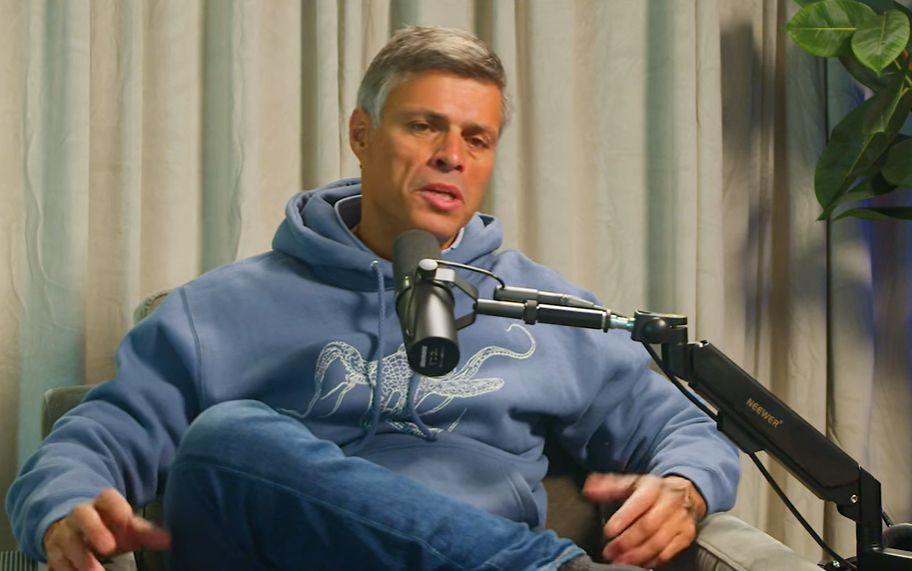
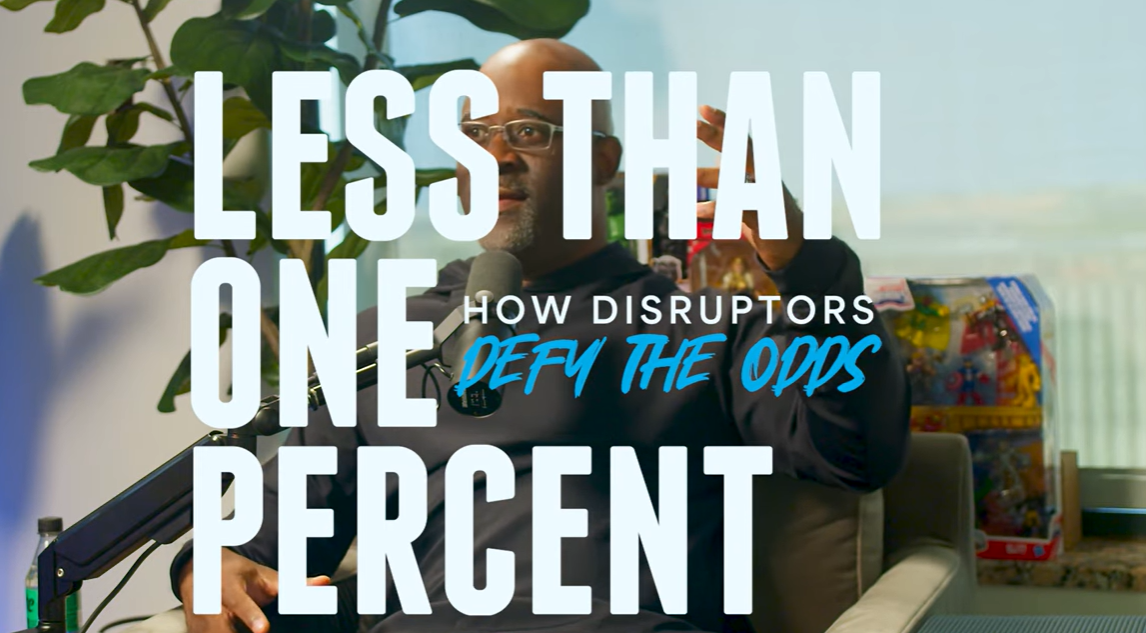
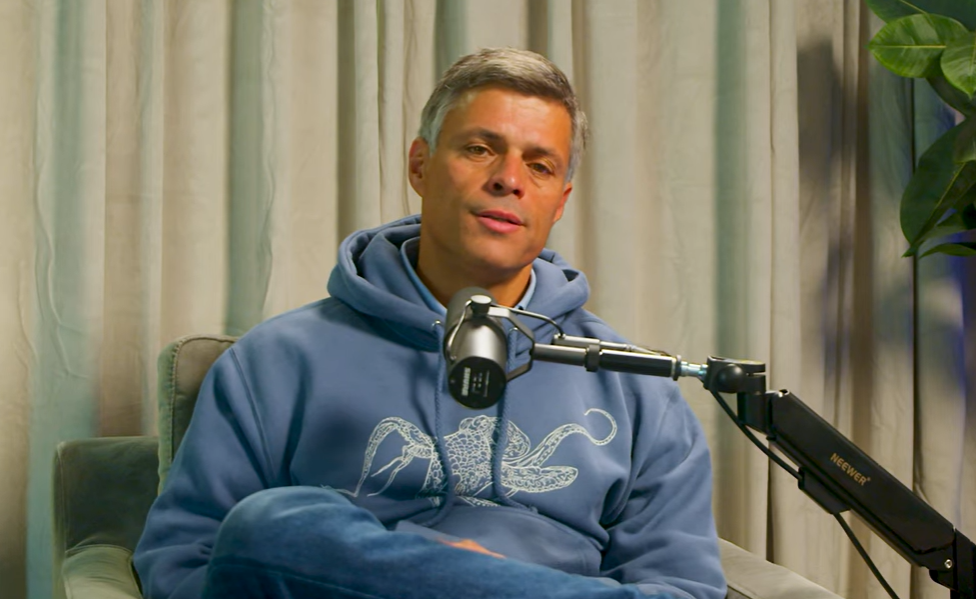
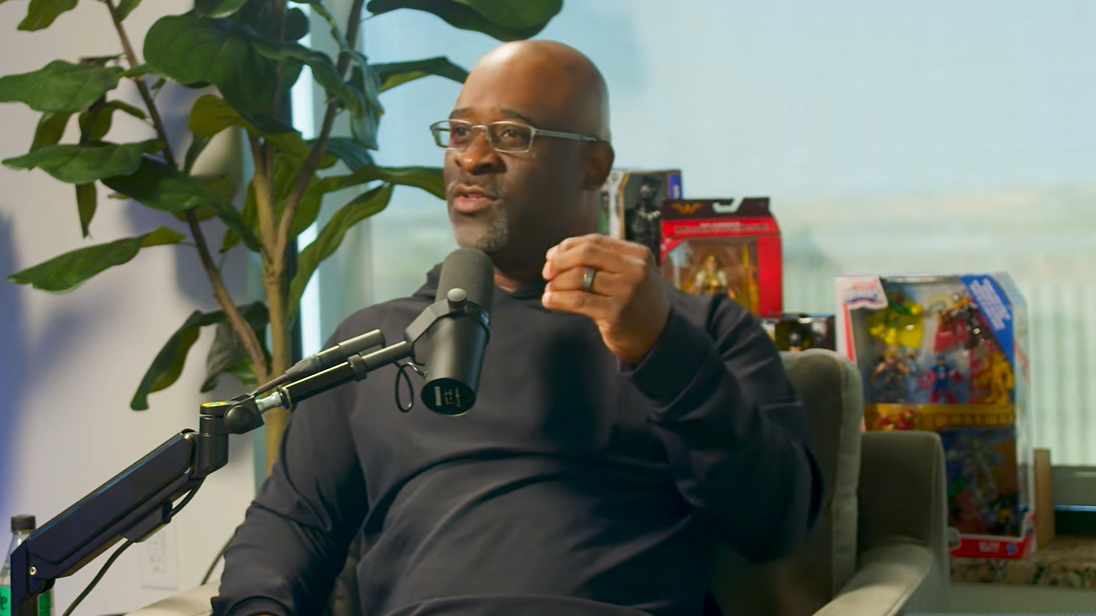
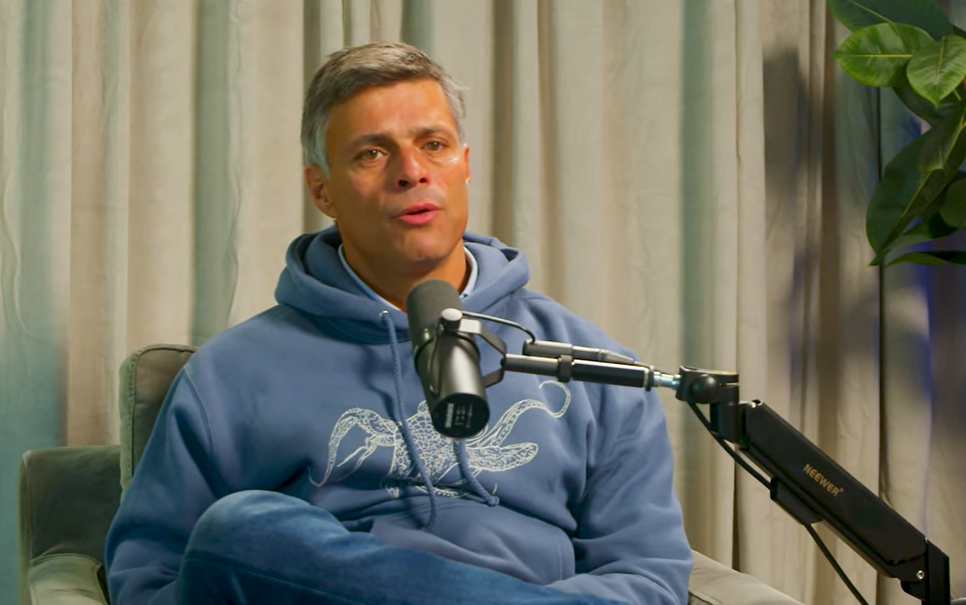
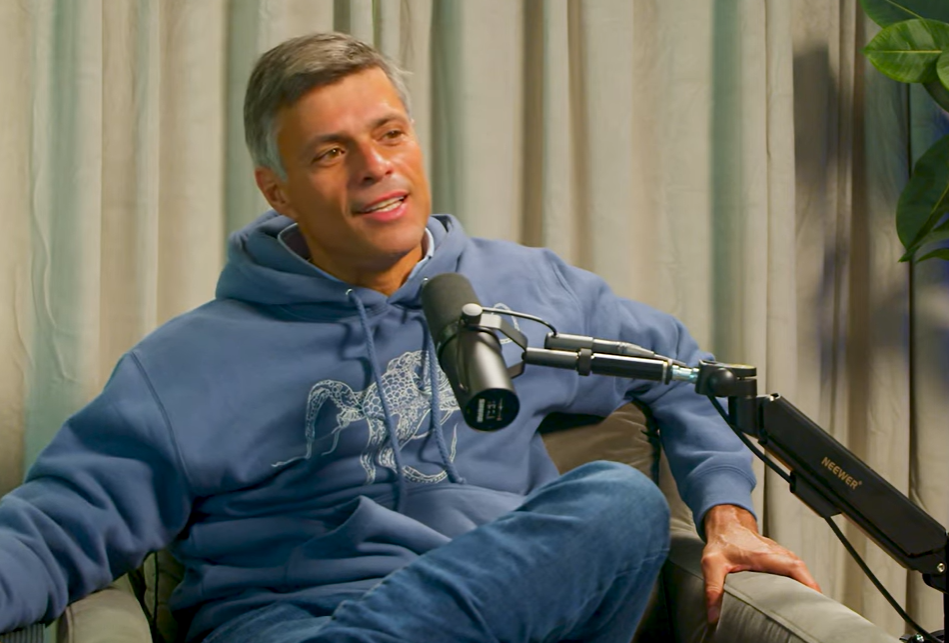
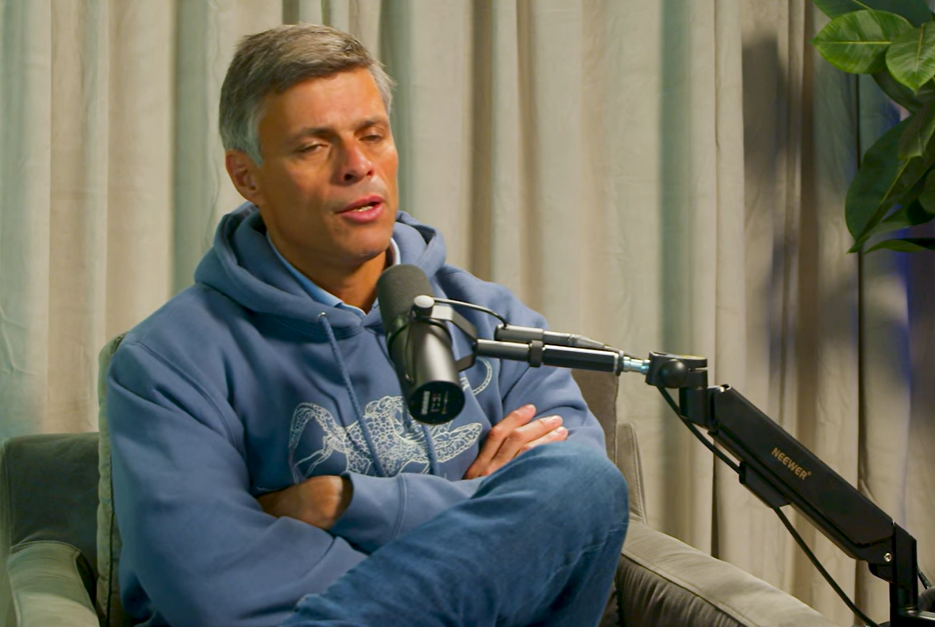
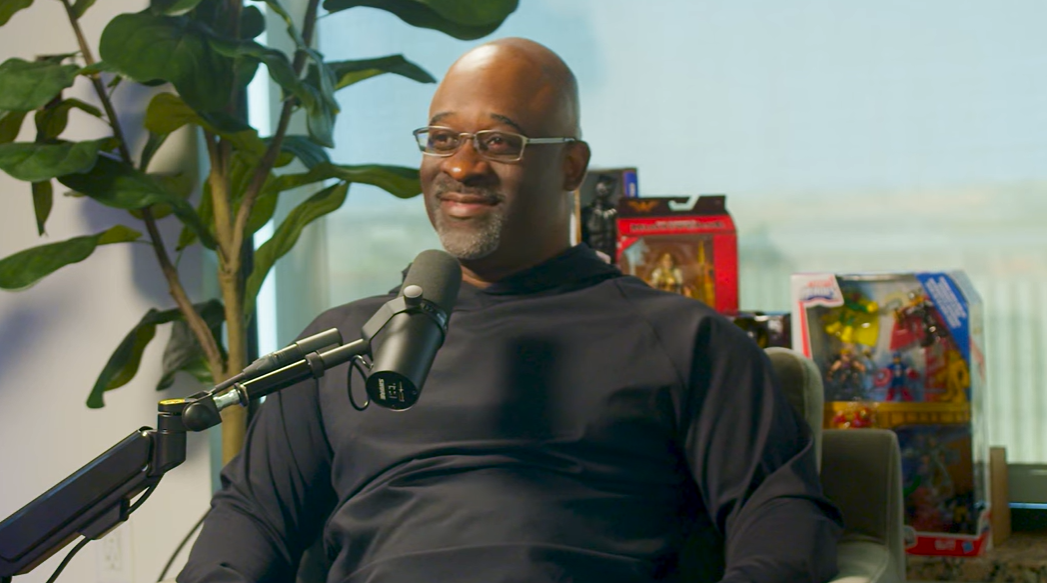
How do you remember to turn on the light in the darkness? In Part 2 of this powerful conversation, freedom activist, Leopoldo López, explores the superpower that sustained him through the darkest moments of his fight for freedom—his family. From proposing with a vow to love both his wife and their country, to finding unexpected companionship in a wild bird during solitary confinement, López opens up about the emotional resilience required to keep going when the world tries to silence you.
Tomlinson and López also discuss what it means to emerge from struggle with purpose instead of bitterness. From building movements behind prison walls to orchestrating a daring escape during the COVID-19 lockdown, López reflects on how true leadership means lifting others—even when you’re the one being held down.
This is how Leopoldo López disrupted the mold of conventional leadership.
Also listen on:


Timestamps
Transcript

0:00
um we gathered like 200 people from 40 countries and we decided to formalize an
0:06
alliance. So a year after that in November of 23 we had over 350 um
0:14
activists from 56 countries and we decided to practice democracy to build
0:20
our movement and we decided to elect our leadership council. So for many of the
0:27
people that were there, this was the first time they voted and I was really
0:33
taken by the fact that people were very sentimental. They were crying and I
0:40
couldn't understand [Music]
0:58
I I I think everybody has a superpower. We We don't know it. And I I I love I would love to do that with people to be
1:04
able to sit down with them and talk to them like we're talking now and really think about, okay, what's your superpower?
1:10
So, what do you think your superpower is? If you had to pick one thing that is
1:16
like, you know, Superman flies, you know, Batman's rich, you know, there's all these different superpowers, but if
1:22
you What is your one superpower? I'll tell you my wife and my kids. Wow. Wow.
1:29
So, superpower. Your superpower is that connection. Oh, yeah. Okay. I I would
1:34
have been capable of overcoming all of this without my wife. Yeah. Yeah. And uh
1:40
and I think that that's the one thing that's kept me going. That's that's so awesome. All right. So, speaking of, so
1:47
in this podcast, we do some wild and crazy things even though we're trying to be serious. And we have a way to you can
1:54
call a family member. We want to get on the call with them and and see if they'll Well, first of all, see if if
2:00
they'll pick up. They are they are in Spain now. So, let's What time is it in Spain? Uh it's around 700 p.m. Okay.
2:06
Okay. I hope he answers the
2:11
phone. So, so Lilian, I'm I'm I'm here with Moo. This is Moo. He was my partner
2:18
at Massive. Hello. How are you? You were just at Massive with Simon. So, Moo,
2:24
this is Lilian, my wife. This is my superpower. And can can you show Moon
2:30
the other superpower, the kids here? Yes. Well, we all all massive. We
2:36
all are massive. That's amazing. That's awesome. That's awesome. Yeah. So, uh
2:42
nice to meet you. Uh so, we we asked Leopold, we said, "What is what is your superpower?" And he said you were his
2:49
superpower. So, we wanted we wanted to talk to you and and and just say hi.
2:56
Well, that's amazing. Thank you, Leo. Um I think I I am not the superpower. We
3:02
are together a superpower. Wow. That you have a relation uh you know you can be
3:10
married or you can have a very nice friend and one is the relation that you
3:15
have with the person the other is the relation that the person have with you but there are something else is
3:21
something together that's the best part like the best like the the relation the
3:28
real relation is the relation that we build together. Oh, that's amazing. Our
3:33
relation is not only uh you know attractive or or a lover relation. It's
3:40
more than than than that. It's a relation that is involved with our country with our home country. So it's
3:49
there's people around there is people inside our country that we really care
3:54
from our soul. So when Paulo asked me to to to marry with me and and he asked me two
4:02
questions marry if you want married with me and if you married with the country
4:08
that's a a huge question and I answer yes. So that's in that moment we start
4:16
something together. We start a family. We start our relation and we start our
4:23
our commitment to Venezuela. So I'm proud of that. It's hard. It's not easy.
4:29
It's a ch it's a challenge every day. But I think with our love and with the
4:35
power that we build together that day, we continue fighting and we continue working and we
4:41
continue. I think the most important thing is have hope and dream with freedom. Wow. Wow. Okay. I'm You know
4:50
what? I just realized I am moving to Spain. I am going to be part of the family. I am inspired. So, you you have
4:57
another I can be the crazy uncle. How about that? We need We need family. We need uncles.
5:05
We need friends. Yes. And it's amazing. I think we met
5:10
people that really care. Yeah. And really smile when they understand our
5:17
dream and they understand our life and and I always said that happened to
5:23
Venezuela happened for many countries and you are from the United States I think and it's amazing country but I
5:31
really well actually m is from Canada. Manuela show Manuela Manuela. Manuela
5:36
Manuela M is from Canada. Yes. This is my daughter, Manuela. Hi, Manuela. One of my great grandparents is from Canada.
5:43
Manuela thinks of herself as Canadian. You are Canadian. She has the Canadian flag in her room. Yes. Yes. Well, Canada
5:51
is amazing in human rights. I love Canada as well. And I I'm I always
5:56
remember when I started snowboarding with Leo was in Vancouver. So, we a really beautiful remembers of Canada. Um
6:05
it's a amazing country and and it's inspire us for learn from your country, learn from
6:14
United States, learn for Europe and and and dream together to build that country
6:19
that we really want in the future. Wow. Wow. I'm inspired. Well, we appreciate
6:26
the time. I know it's a little weird uh to have people call you on a podcast, but we just wanted he he mentioned that
6:32
you were and and your family um is his superpower and and we appreciate the
6:37
time you spent with us. Thank you, Le. I love you. Thank you.
6:43
All right. Manuia.
6:52
Wow, that's awesome. Well, I I I know I know you wouldn't lie to me. I
7:00
know you wouldn't lie to me, but I can even tell more
7:05
that that they are your superpower. Your face your face just totally lit up. It
7:12
lit up the minute I we I mean just and and and think about it. I mean, I'm not
7:17
sure if I called home if they'd be all day. No, but that that is uh that's so
7:23
beautiful. That's so beautiful. That's so beautiful. Thank you. That I I I see
7:29
how that can be your and that connect like you said and she said it too. The the fact that um but I I I feel like my
7:37
proposal in my marriage was not as good as Leopold. He said he said you have to marry the
7:43
country. Yeah. Oh, you know, we had this thing. I we we were about to get married, but um Lillian actually broke
7:52
up with me because we're not uh we were not engaged. And then we went back and
7:57
then um actually I the the the the moment was
8:04
um very unique because I you know I said I I I want to get married but I don't
8:10
want you to think that I am going to do something else you this is this is what
8:16
I am this is my passion and I mean I don't want to be in the position where we get married and then start getting
8:23
you know pressure for leaving politics. politics or living, you know, what what's my dream? Um, so, uh, we went out
8:31
to a tattoo parlor and we both tattooed Venezuela. I have a map of Venezuela in
8:37
my leg and she has the Venezuela in her wrist. That's awesome. So, it's kind of
8:42
our commitment so we don't we don't forget. Yes. Don't forget. So, I want to ask you about one other tattoo you have.
8:49
Um, but but before that, I I just want to point out something here, Jordan. we talk about, you know, as disruptors.
8:55
There there a lot of characteristics that are similar uh with disruptors and and I think we were talking today that I
9:02
didn't know I was a disruptor. Like going through my leadership journey, I didn't I didn't know that's what I was doing, but every time I saw something
9:09
that wasn't right or I saw a rule that shouldn't be a rule. There was something in me that that made me um you know, had
9:16
a discomfort with it. I could feel that in you. But the thing I talk about is for disruptors, you have to be
9:21
resilient. I mean the and I would even say not just um resilient but almost a a
9:30
compulsion with with the cause or with what you want to fix or what you want to
9:35
disrupt. The second thing that I thought when I heard your story was optimism. And people don't often see disruptors as
9:41
being optimist being, you know, uh, thinking the world is great because you,
9:47
the reason you're disrupting is usually to make the world better. Mhm. Right. And that's so that's a that's a piece I think that in hearing your story and and
9:56
talking to you again about it and and seeing your expression and listening to your wife talk about it, there's an
10:02
optimism. You know, she said that I like to go to these different countries because I like to learn about them, but
10:10
not that I want to learn about them so I can have a greater experience. It's learn about them so I can bring those lessons home to
10:16
Venezuela. Right. That that that's that's super super powerful. Um, no, I
10:23
think optimism is it it's key. Um, because it's very easy to be
10:29
pessimistic. Yes, it's very easy to be in the position of always being in a bad
10:36
mood. Um to be um to see yourself as a victim and I
10:43
have seen because I have so many friends that went through prison and persecution and I can tell you I've become not
10:50
wanting to but in a way an expert of the way people react uh when they go through
10:56
prison. And I have a rule of thumb more or less a third of the people um just
11:02
disengage when they just disengage just I I I I'm out. I'm out. I want to just
11:09
do something different. I don't want anything to do with this. Um, another
11:14
third of the people come out resentful and thinking that the
11:21
that they deserve a level of of recognition that they are never going to
11:26
get. Wow. And then a third of the people come out wanting to fight with more
11:34
enthusiasm. That's more or less a rule of thumb that I have seen. And that third of people that come out expecting
11:42
everybody to recognize what they did, it's a recipe for a frustration. Because if you're expecting recognition and you
11:50
wake up every day expecting recognition, you're never going to get enough. Even if you get all of the recognition, it's
11:56
never going to be enough. But if you wake up not expecting recognition, every bit of recognition that you get, it's a
12:03
world. It's perspective. And it's pragmatically speaking, it's much better to live that way, right? It's much
12:09
better because, you know, you get bits of recognition and you're happy with that. If you're expecting, you know,
12:16
just loads of recognition and it's not going to come and if it comes, it's never enough. It's never enough. You
12:22
know, don't you understand? I went through this sacrifice. Don't you understand that, you know, I went through prison and I Well, you know, no.
12:29
I mean, it's your life. It was my life. I decided to turn myself in. the people in my movement, we all decided to do
12:35
what we did. We knew the risks. Um the the recognition, the ultimate
12:40
recognition is change is to is to bring democracy. I mean, that's the ultimate recognition. Uh but if you're expecting
12:47
personal recognition, and I've seen it with so many of my friends, you know. Yeah. I mean, you're you're you're
12:53
hitting a note with me just in in my role in the number of people that talk about um I want this job or I or I need
13:00
this raise or I need this, you know, people are I used to call it ambition, but I think resentment is a better term
13:07
because what it means is is I deserve I deserve I did this. I deserve. And I
13:14
think what I struggle with is is is is phrasing it the way you did is that any
13:19
recognition you get should should be amazing. You should be doing great work because you want to do great work, not
13:25
because you're looking for, you know, a raise or or a a job title. So, I think
13:30
yeah, the business applications of that, those those three. Yeah. Well, you know what what's taken me to to be just very
13:38
convinced of of this is um that today I
13:43
I admire many leaders. Yeah, I admire many of the same leaders I used to
13:49
admire maybe 20 years ago, but I admire different aspects of their leadership. M
13:57
what I admire the most are the people who have the capacity to cross the
14:02
desert. M and that is not an easy thing because there are some great stories of
14:09
people who were just you know the right person at the right time and the right you know serendipity and boom they did
14:16
you know but there are others that with the circumstances completely against you
14:22
they continued they continued and and I can you know I can mention many uh you
14:28
know Churchill won the second world war and he lost the election you know and uh
14:33
and before that he was not recognized as a leader um in times of peace. Uh many
14:41
of the Venezuelan leaders I admire went through the desert either in exile or in
14:47
prison or even not being recognized by the people at some point. M so I I
14:54
really think that having the capacity to understand the desert and that the
14:59
desert is part of leadership is part of human growth is part of what you are if
15:05
you're not able to be at the bottom you're going to be fragile at the top. Yeah. You know and and and I think that
15:13
capacity to cross the desert um and still be good with yourself. Yeah. you
15:18
know, crossing the desert. This is, you know, this is a part where I need more strength, where I need more focus. And
15:26
and if your entire well-being comes through recognition, you're completely unfit to
15:33
cross the desert. Yeah. Because when you're crossing the desert, you're not getting any recognition. Well, and we
15:38
talked earlier about um something that I um believe in my life and also what
15:44
we're trying to do in the partnership in vitui is the idea that the satisfaction is there. I mean in in the desert, think
15:53
about if you lived your life wanting to be satisfied with what you're doing.
15:58
You'd never make it through the desert. And I think you know when you look at patient satisfaction or physician, we
16:03
look at a lot of provider satisfaction and employee satisfaction. It's really more about fulfillment because you can
16:10
make it through the desert being fulfilled, but you can't make it through the desert being satisfied. No, of
16:16
course. Right. Because you're never going to get satisfied in that, you know, baron of an environment. Um, so so
16:21
I I want to jump to I jump back a little bit cuz the story that intrigued me, not
16:28
the most, but one of the stories that intrigued me is you you told me in prison there was there was a bird. Oh,
16:34
yeah. that that sort of kept coming back to you and you tell me about the bird. Well, you know, I I I was in the fourth
16:41
floor and there was a a tree. Um I had a crack in my window and there was an
16:47
eagle's nest, right? Yeah. So, I had time to contemplate this this bird and
16:53
and I got to know the bird, the the way they made uh the pigeons, the way they
17:00
searched for the food, where they ate, um the way they played. And one day, um
17:07
because I talked about the bird, you remember in Forest Gump when Boua was talking about the shrimp all the time,
17:13
right? So, I was talking about the bird all the time. And so one day the bird
17:19
goes out to get a chicken and he just slams against the barb wire and one of
17:24
the guards tells me, "Oh, you know, your bird just had an accident and it's going to die." I said, "Well, why don't you bring the bird?" Um, so they brought the
17:31
bird and I uh I was able to to spend an entire month and a half. Um, I fed the
17:39
bird and you just became an incredible relation. Then one day, as they did with
17:45
everything, you know, when I was reading, they took my books. When I was drawing, they took my my colors. And
17:50
when I hide the bird, they took the bird away. But so they they took the bird, but the bird went back to the same nest
17:58
to the same tree. So it was, you know, for four years, I had this weird rel I'm
18:04
not a biologist, you know, I'm not a bird watcher, right? you know, just but it just became uh a kind of a a
18:12
a companion that was there. So years after we did that that um after I left,
18:20
I was in Madrid. This is a a year and a two years ago. Uh I'm in Madrid with my
18:26
daughter and then a Venezuelan uh woman comes to me. Hey, Leopoldo, how are you?
18:31
Oh, how are you? Oh, I was with you and Lillian uh with Shell when you did the tattoo of Venezuela. This is 17 years
18:38
ago. Oh, wow. Did you know that Shell is here in Madrid? The the tattoo on. No
18:43
way. Do you have his contact? Yeah. Yeah, I have his contact. So, uh I reach out to him and uh Lillian and I, we go
18:51
there and I said, "I want this drawing of this bird. I want a big tattoo." So,
18:57
I have a tattoo right here. this big tattoo of a of my uh of my companion of
19:03
my birth and it just means a lot to me and it was just a a great way of doing I
19:08
I always wanted to do it after I I left Venezuela but I didn't want to go to whatever tattoo parlor so uh it was kind
19:16
of destiny you know that the same guy that did 17 years ago he happened to
19:22
leave Venezuela go to the same place I was and uh and we did it so it's um in a
19:28
way for me is to make also that part of my life which you know could be the all
19:36
about darkness, all about just just um yeah all about darkness. I I learned in
19:43
my time in prison. I learned and I think I became a better person. I learned the
19:49
skill of self-control. I learned the skill of crossing the desert. I learned
19:55
the skill of being with myself and nobody else. Yeah. Um, so I
20:01
always whatever I do, I always try to take the opportunity of whatever in whatever circumstance I am, I just try
20:09
to make the best of it. Oh, that's awesome. And that was a symbol of uh resilience for me. Just that bird. Yeah.
20:16
So, so now we fast forward, you know, from the bird. you are. So, you're on
20:21
house arrest and you're thinking about now you're thinking about okay this is
20:28
probably not the safest place for my family and my situation that that then
20:33
maybe there maybe we got to do something different and and you that tell us about how you made the transition the year
20:39
2019 2018 um I was in house arrest um it was a very bad year politically speaking
20:46
because Maduro has stolled another election and the democratic movement was
20:52
really torn down. So January of 2019, we had h a window of opportunity because we
20:59
had won the national assembly. As we told you after the hunger strike, there was the election. We won twothirds of
21:05
the national assembly and my movement had the presidency uh for the year 2019.
21:11
And we saw a window in the constitution that stated that if the president elect
21:17
doesn't swear in to the national assembly then the president of the national assembly becomes the interim
21:22
president. Mhm. So we were able and I was able to do this from house arrest just to reach out to the other political
21:29
movements and uh to Colombia and to the United States and we were able to build
21:34
an opportunity to make the um president of the National Assembly the interim
21:40
president and that's what we did and um that was a a very important moment a
21:45
very huge moment uh of our ongoing struggle for freedom in Venezuela. So,
21:51
Juan Guido becomes the interim president. He's from my movement. He's a founder of my movement. And um I was in
21:59
house arrest helping him um through this challenge. And to make a long story
22:06
short, there was a lot of pressure, there was a lot of protest, and there was a lot of international pressure. So,
22:12
um a very high ranking military officer reaches out to me and uh he said he
22:20
sends um message, self-destructive um video with his image and the image of
22:26
a civilian. You know what to make of it. A week after that, that person, that civilian shows up. My house, remember I
22:33
told you, was surrounded by 40 guards. Um so he comes in with permission of
22:39
them and he says, "Well, we want to, you know, we want to help. We want to join, you know, the movement." And uh I said,
22:46
"Well, if you really want to do this, allow me to meet with the people I'm talking to." So, I'd been talking to
22:53
different members of the military, of the police. I had been in a military prison for years. I had run um milit a
23:00
police force for eight years. So, I knew this is this is a group of people I I
23:06
understand. Um so, I started to meet with different people. uh the head of the national police came, the head of
23:12
the political police, uh some lieutenant um colonels that were in charge of the
23:17
security of um different parts of the city. Um and we agreed to a plan to
23:25
combine the civil protest with the protest of the military and the police.
23:31
It was a nonviolent action but but very extreme. Um so on April 30th um I was re
23:40
I was freed from house arrest um with a convoy of military and police that were
23:46
siding with us. They picked me up my house around 4:30 a.m. We went to a place where we gathered around 300 uh
23:56
military and police officers and we called for protest and tens of thousands of people came out to the street. It was
24:03
completely nonviolent, but it was you just higher in the stakes. Uh yeah,
24:09
because yeah, when you get I mean police out there with weapons and everything, even if they don't use them, that's still a higher level. So it was, you
24:16
know, taking the protest to a to another level. We um had coordinated with the
24:22
president of the Supreme Court who was also wanting to side with us a decision
24:27
of the Supreme Court to uh not recognize the election of Maduro and call for new
24:33
elections. That didn't happen. So things didn't happen the way we wanted. So we
24:38
had to manage that day. That was a big crisis. And I ended up that day um
24:44
seeking uh refuge at the Spanish embassy. M so my kids uh were with my
24:50
parents in Spain. Um I they left like 3 weeks before that. Uh the situation was
24:57
getting very tense. So my two elder kids left and my wife and my young daughter
25:04
um went with me to the embassy. They escaped Venezuela after a month and I
25:10
stayed there for a year and a half. The embassy was under siege. They um got the
25:17
electricity, the trash service. There were drones over the embassy. It was surrounded by police. And uh I was there
25:25
with the um the ambassador, a great person, Jesus Silva, and his wife and a
25:32
group of the equivalent of the Navy Seals of Spain. So I became very good friends with these folks. We would
25:38
train, you know, as I told you before, I like combat sports. I like training. So we would train twice a day. Um I was
25:45
working very hard uh to support Wido and everything that we were doing. And um
25:51
after a year and a half they changed the ambassador and I knew that things were
25:57
going to change and my mother was very sick. She was uh going through dialysis.
26:05
Uh she was waiting for a kidney transplant and this is 2020 and she got
26:11
infected with COVID. M so imagine you know my mother who was 76 at the time uh
26:18
going through dialysis being in co so you know I was this is this is a calling
26:27
I had not seen my father and my for seven years I had not seen my mother for years I had not seen my wife and my kids
26:33
for more than a year and a half so I decided to leave Venezuela so I had to
26:38
put my organize my escape Um and I called a friend uh with whom we've done
26:47
different things. Um and um I had spoke with him before. I said one day I'm
26:53
going to call you and I'm just going to say hey man and you know what you have to do. So I called him up. I say hey my
26:59
man. And uh he organized the escape. the
27:06
country was in complete lockdown uh not just because of COVID but because of the political circumstance. So it was very
27:13
risky. We couldn't go through the shore of the Caribbean Sea. We couldn't go through the west uh to Colombia. Um so
27:21
we had to go south. Um so I leave the embassy in the trunk of a car that was
27:28
uh a diplomatic license plate. Um I go from that car to another car. from that
27:34
car. We go to an office building. I go to the basement of that office building and I see a group of my friends and they
27:41
were all uh dressed uh as um members of the electricity uh company. So he had
27:48
taken control of a truck of the electricity company and they all had uniforms. So we spent the next 45
27:55
minutes uh rehearsing you know who we were. If you're in a disguise operation,
28:01
there are two things you need to be very aware of. You need to answer uh the
28:06
question of who you are and why are you there, right? And the status of being
28:12
and status of action. Spycraft 101, right? So, so spycraft, we we're the
28:20
same age. You mentioned Spycraft. So, uh um you know, we 45 minutes. My
28:27
role was to be the assistant of the assistant of the assistant and to be sick. It was COVID at the time. There
28:33
was no vaccine in the horizon yet, right? So, um, we, you know, we had the uniforms. I had my ID card, the hat. We
28:41
crossed like 20 checkpoints. Um, it's all good. We reached the southern border
28:47
with Colombia. It was a river, the Meta River, and there was nobody at the at
28:52
that checkpoint. So, we we go through that checkpoint. We're in the boat. Uh
28:58
the engine is on and then we see like six military coming running to us with
29:05
their machine guns pointing at us and calling us to uh step out of the boat,
29:11
go to the checkpoint. My friend takes the lead as we had planned and um they
29:17
start asking all sorts of questions and of course they asked the ID. remember it was co so I was not talking I was
29:23
coughing and we all had the masks and this was very important because everybody knew who I was right right um
29:30
so my friend had a backpack in the backpack he had some cash and the
29:35
lieutenant there asked him so who are you not from the electricity company why were you crossing to Colombia and he
29:41
says all right I want to tell you the truth um we are um you know I have a case against me what case you have
29:47
against you know I have a judicial case against me it's not political Right. No, no, no, no, no, no. It's not political.
29:52
It's financial. You know, I work in a bank. And I said, "Okay, so let me call the general." And my friend was very
29:59
quick and he said, "Whoa, whoa, wait, wait. If you call him, you know what's going to happen? You know that cash that
30:05
you have in your hands, it's going to go to him. Why don't you think through?" He thought about it for like 30 seconds.
30:12
And uh, you know, this was 45 minutes of just I was getting flashbacks of my time
30:19
at prison. The river was right there. I was sitting next to a friend. I said, you know, I am not going to go back. I
30:25
am if if things get tough, I am going to go to river and I'm going to try to swim
30:31
my way out. I just want to let you know I'm not going to go back. I'm not going to give Maduro a victory of catching me
30:37
at the last right right at the very end of it. You know, it's just going to make this a huge
30:43
victory. I'm not going to give that to him. But fortunately, you know, we were able to um uh walk our way out and we
30:51
cross the border, get to Colombia. The then the secret police of uh Colombia
30:58
was waiting for me because we are reach out. We had a an ally president at the time, Ivan Duk, very close friend. Um
31:05
they put me in a plane. They fly me to Bogotaa. In Bogotaa, I met you people
31:10
from Colombia, some of my friends, some of my friends from the US. I said, "Okay." So, you know, I can stay here
31:16
for a day or two, meet the president. No, no, no. You're flying directly to the US. They put me in a plane, fly me
31:22
to the US. When we land in the airport, I had nothing. I had no papers. I have no passport, nothing. He said, "So, so
31:29
who's waiting for you?" You know, the guy at the at the airport, you know, CIA, FBI, Homeland, who's waiting for
31:35
you? I said, "No, no, I think I'm calling an Uber." [Laughter]
31:41
CIA, FBI, homeland, the homeland. And then I have my Uber.
31:48
That's great. So I get my Uber, go to friend's house, and um basically it
31:54
nobody knew uh that I had escaped, but the news was coming out. Talked to
31:59
ambassador, the news came out and um the Spanish government um put me in a plane
32:07
the next day. Uh, so the next day I flew to Madrid and I met my family and it was
32:14
an incredible day for family, but it was a new day for hardships. Yeah. Because
32:23
exile, like I told you, prison is tough. House arrest is tough for the reasons I
32:29
told you. An exile is very tough for someone that is taken out of the thing
32:39
that you've devoted your life to. It's like telling a medical doctor, you will never be able to practice again. Yeah.
32:46
You will never be able to step into hospital. Yeah. You um so that was the
32:52
beginning of another part of my life where I had to reinvent myself. I continued to be very
33:00
engaged in my movement in Venezuela with the entire opposition movement, but
33:05
understanding that I was no longer there. And the the most important realization for me was the most basic
33:13
one to realize that my present reality
33:18
was that I was now in exile. And and and I think this is true for
33:23
other people. It's just to you there are some things you cannot change. I mean you cannot
33:29
change and in my case I I couldn't change the fact that I was no longer in my country. Yeah. So I had to reinvent
33:35
myself. Um I continue to be very engaged as I said with my movement but I decided
33:42
to um give the leadership of the movement in Venezuela to another great
33:48
leader who was there. He's now in prison. um and he took the leadership of the
33:54
movement and um kept it going. Um but I
33:59
had to reinvent myself. So I came to the to the US for a couple of of meetings of
34:07
human rights uh events and started to meet other people uh from other
34:12
countries from Iran, from Russia, from Uganda, from Zimbabwe, from Kuba, from
34:21
Nicaragua and started to learn uh that my story was the same story of
34:29
many other people. M and that my fight really had no borders. And up until I
34:37
came into exile, my fight was constrained to the borders of my
34:43
country. And I started to understand that the things I was fighting for, freedom, human rights, democracy, which
34:51
for me and for Venezuelans and for the people who live under autocratic regimes, these are not theoretical
34:57
things. I mean everybody that is living under an autotocratic regime has a personal account of what it means to
35:05
live in a circumstance where you are not free because you cannot listen to the
35:10
things that you want to listen. You cannot move the way you c you you would like to move. You cannot work in the
35:16
things that you want to work. You cannot say the things that you would like to say. You cannot meet with the people you
35:21
would like to meet. So, everybody has a story about what it means to be living
35:27
in in in a space that is not free. So, um started to meet with great people and
35:35
we decided to create a new movement. And as I told you, that's I mean that's my
35:40
nuts and bolts. That's that's what I like to do. So I I pitch to them the
35:45
idea of building an alliance of freedom fighters and democracy defenders from
35:51
autocratic countries. So um with Gary Kasparov uh the Russian chess master
35:58
from Ro uh from Russia um Masia who is an incredible woman from Iran who was
36:06
leading the protest of the women of Iran um recently and and others. We decided
36:13
to create what we call the world liberty congress which is an alliance of democracy defenders, human uh human
36:20
human um uh rights defenders and freedom fighters from from autocratic countries.
36:28
So we have focused our alliance uh of the people from autocratic countries uh
36:35
because we narrowed what we want to do not to talk about democracy and to think of democracy at large. um that's I I can
36:43
have an opinion about the state of democracy in the US uh or in Europe, but what we want to focus is to support the
36:50
leaders and the movements from countries that are not democratic in order to
36:57
overcome dictatorship and become democracies. So, uh we met for the first
37:02
time in Lithuania uh in Eastern Europe in November of
37:08
2022. um we gathered like 200 people from 40 countries and we decided to formalize an
37:16
alliance. So a year after that in November of 23 we had over 350 um
37:24
activists from 56 countries and we decided to practice democracy to build
37:30
our movement and we decided to elect our leadership council. So for many of the
37:37
people that were there, this was the first time they voted and I was really
37:43
taken by the fact that people were very sentimental. They were crying and I
37:50
couldn't understand. They were saying this is the first time I'm voting for something that is meaningful. I have
37:56
never voted before. People from China, people from North Korea, people from
38:03
Syria. Um, and we build this movement by
38:08
practicing democracy. That's why I was really interested in what you were telling me about vituitity that you guys
38:14
have, you know, uh, thousands of partners and the partners elect the board members and then the board members
38:22
elect the CEO. So that's the way we built our movement. Uh, you're a
38:27
company. Uh, we are a movement. But in in a in a similar way the governance of
38:34
uh being democratic is very very powerful and especially practicing democracy is
38:41
something that we that we need to do because we come from countries um that
38:48
democracy it's it's not the dayto-day. So practicing you know electing people
38:53
practicing being transparent being accountable uh are very important things. So that's how we built the World
38:59
Liberty Congress. I dedicate, you know, an important part of my time today to
39:05
build this alliance. I'm very grateful for it. Uh because I have learned a great deal. I may be one of the few
39:13
people in the world that I I wouldn't say I'm the most knowledgeable because I'm not. there are academics and people
39:19
who are very knowledgeable of the specific circumstances of all of these countries. But I am one of the few that
39:27
are friends with the people who are the troublemakers against autocratic regimes. So I am friends with the people
39:33
who led the protest in Hong Kong, the people who won the election and the protest in Belarus, the people who are
39:40
protesting in Russia, the people who led the protest in Iran, the people who are
39:45
leading the protest in Cuba or in Nicaragua. They're all my friends. So
39:51
this is a very special movement of people that uh we all have our
39:57
commitment to our own countries. were very different terms of skin color, religion, history, climate, um I mean
40:05
you name it. But when we start talking about this, if you put in a room, imagine this, this is a room of 350
40:11
people that uh when we ask them how many of you have been in prison, half of the
40:17
room raised their hand. And when I asked them, how many of you have someone today
40:22
that is in prison that you know, everybody raised their hand. When I asked them how many of you have been the
40:29
victim of a murder attempt like a fifth of the people raised their hand. When I
40:35
asked them how many of you have been the victim of smear campaigns by the regimes
40:41
everybody raised their hand. So this is a very particular group of people you know when we meet and we we talk it's
40:46
like how many years you spent in prison? I spent seven. Oh I spent three. No, it's it's dayto day, you know. It's like
40:52
for you guys at ER, you know, how many, you know, how many bodies have you opened? You tell me the stories of what
40:59
happens in the ER room, you know, I'm shocked. Everybody's right. I'm shocked. It's like, wow. Right. But guys, like,
41:05
but er guys, it's like, oh, it's dayto day, right? So, the the dayto-day for this group of people is to confront
41:12
dictatorships uh and autocracies. And I think that this is uh one of the
41:18
big global issues um like climate change and I hope that
41:25
we can bring the level of consciousness about freedom and democracy to the level
41:31
that it was done with climate change over the past 30 years because we are not aware of the fact that 70% of the
41:41
people today in the world are living under some sort of autocratic regime. It
41:47
was 40% 12 years ago. So the state of the world is quickly moving to becoming
41:54
more and more autocratic and it doesn't seem to be a concern um to most people.
42:01
Yeah. So our challenge is to strengthen our movements in our countries, but also
42:08
to make people who live in democratic and free countries to realize that that
42:15
is a privilege and that is a privilege that every human being should be given.
42:23
The possibility of being free. And I strongly believe this. And I strongly
42:29
dispute the people that say that there are cultural elements for autocratic
42:36
regimes. People that say, "Oh, you don't understand the Middle East. They they can't have democracy. Oh, you don't
42:42
understand, you know, certain countries in Africa. They need they need strong men and they need, you know, autocratic
42:48
regimes." No, people want to be free. And I think everybody should be uh given the opportunity of living with dignity,
42:57
with freedom, and with respect to basic human rights. Yeah, that's that's
43:04
profound. I mean, and it it's a it's it's something that, you know, you pointed out and and I think we all go
43:11
through this in our leadership journeys, right? I mean the ability toffect affect one person becomes the ability to affect
43:18
one area which is the ability to affect you know sort of a bigger area than that and it's like this is this you are you
43:26
want to change the world and and people you know when you tell people that so
43:32
one of the the hashtags if you ever go on LinkedIn I always put hashtag change world and and people will DM me and say
43:39
you know that's corny it isn't it's daunting but it isn't corny and I think that
43:45
that's what you've you've taken something that has happened to you which is in some ways devastating but in other
43:51
ways inspirational and taken it now to the whole world. You know I was going to mention too we talked about this why
43:59
your story even now resonates with me and it'll resonate with me when we can
44:04
do this again and it will still every time I learn more and more and more. Um,
44:10
so I told you I grew up in Canada and didn't move to the United States when I was 18. I I was enamored with the United
44:16
States just like you were about the democracy. There were other things even though in Canada we had a great country
44:23
that I was just like, "Wow, this is a place where people actually pursue dreams." Like people with nothing can
44:29
become people with everything. Whether that's money or success or just even families, whatever you view as success,
44:36
that's a country that it can be done in. And I think I told you this in the back. My view of diversity is so interesting
44:43
because right now, you know, I think diversity in America is a little bit under fire. People are always talking
44:50
about anti-diversity and that I grew up with so many different cultures. When
44:55
you mentioned the World Liberty Conference, I like that was my entire class, you know, from all the different
45:00
places in the world that that people came from. Um, and we got together and we talked about our differences and we
45:08
talked about our similarities, but most of all, we were Canadian and we just were there living together. And I
45:14
remember coming to the United States at the time and it was very different, you know, it was sort of like you had to
45:19
belong to a certain cohort. So I think what you're doing, I remember when I was applying to college. Yeah. And uh, you
45:27
know, how do you identify yourself? I got different boxes. I and and I asked my I asked my father so so so what is
45:35
this you know I'm I'm brown right so there was no brown there was no brown I
45:41
was like are you Hispanic well I Hispanic I'm Venezuelan you know I'm a
45:46
brown Venezuelan so you know I my my first shock coming
45:53
here was that you know that that self description of the box the idea that you got to put yourself in some box that
46:00
somebody else has created for you when we're all so dynamic even in our heritages and our ethnicities, our
46:06
cultures. So, I I I want to thank you for coming today, but there's one more question I have for you, and you sort of
46:13
outlined it for me in your work in the World Liberty uh you know, Congress, but
46:19
what would you say that I know I know you're never finished. Clearly, you're
46:24
never finished. But if there was one thing where we look back and say, "Man,
46:30
this is the effect that Leopoldo had on the world." What would that be? What would that one thing be? Well, I hope that we can reverse that trend of
46:37
autocracy becoming more prevalent at a at a global level. I would like to
46:43
see cases of success. I would love that first case to be my own country,
46:48
Venezuela, and that we can start to shift the tide and become more and more democratic, to have a fourth wave of
46:56
democratization. And if I can have an impact on that and if I can have an impact on the fact that um a new type of
47:04
global leadership that is committed truly committed not to the pragmatist uh
47:10
positioning of supporting freedom and democracy and human rights, but really really really committing to the idea
47:18
that everybody's created equal, that everybody has the same rights, that everybody should be given the same
47:24
opportunities. um that is that that's that's what I will dedicate the rest of
47:30
my life to and I feel blessed that I have a purpose you know it's taking me to tough places and as I told you I've
47:37
been on top I've been on the bottom you know but uh but I've always been focusing in the purpose so for me it's
47:45
been a blessing to to live life with a purpose waking up every day knowing that
47:51
well they took me away from my country I can now not be in my country, but I figure out a way to to channel my energy
48:00
um with the same purpose in a different landscape, right? And now, you know, for
48:06
me, freedom in Venezuela or freedom in Uganda or freedom in Iran is is as
48:12
important and and it's as meaningful. And um I believe that this is this is
48:19
something that we can contribute in in a great deal uh to to bring people together and with the attitude of
48:29
overcoming the hardships of an autocrat, not with the attitude of being a victim.
48:35
Because in the space of human rights, there are many conferences about human rights and there are some that are very
48:41
very good. Um, but they usually focus on the story of a victim in order to get
48:50
the the pity of a people. I I don't want the tears. I don't want the I don't want the pity of the people, you know. I want
48:55
the support of the people for our cause. That's what I want. I want people to engage in the cause. I want people to
49:02
think of themselves as agents of change. I don't I don't I don't want, you know, the tears and the pity of something that
49:09
happened in the past because if you live as a victim, you neutralize yourself.
49:15
You're always giving power to the oppressor. If you stand up, you know, and and and just say how much hardship
49:22
you went through, you're also telling the story of how strong the dictatorship
49:28
is. Right. Right. That that's the underlying story. uh and but if you tell
49:33
the story in a different way saying this is what we went through but this is what we are continuing to do in order to
49:41
overcome the dictatorship that puts you in a different position. So would you would you consider yourself
49:48
a disruptor? Oh, absolutely. At core there was actually um when when you were
49:54
mentioning the disruptor type of leadership in 2015 foreign policy magazine they did kind of this world
50:01
leadership thing and they had categories and I was heading the disruptor category. You were okay that I was in
50:08
prison at the time. Yeah. So yeah I mean I'm a I mean I'm a troublemaker.
50:14
That's that's I think that's a better word. That's a better word. We'll change we'll change this. Let me tell you about my first movement. I know we're at at
50:21
the end, but I was in college at the time and this is you know when Desert Storm was going through the frat thing
50:29
and you know there was you know the pledging and you know after after a week
50:34
of pledging I was like I'm not going to do this man what you know I'm not going to go through this. Hey I'm nothing
50:39
against it but it was just not for me for you. Yeah. Not for me. Um, so I decided to create our own thing. So we
50:47
created this movement called Ashes, active students helping the earth survive. And this is in the early '9s.
50:54
Um, not now when you know climate change is completely mainstream. And
51:00
I decided to organize a movement uh under the the aura of green peace, you
51:07
know, very very um so desert storm comes
51:12
in. This is January of 1991, I believe. Yeah. And uh we were against the war and
51:20
all of this and I we decided to protest. So what we did is exactly a month after
51:27
the the dropping of the first bombs, we decided to um pull the alarms at the
51:35
exact same time uh one month after that. So 25 of us in our bicycles. We there
51:42
were no iPhones at the time. We synchronized our watches with our black
51:47
hoodies, you know, with our black hoodies. All right, I'll put mine up. I'll put mine up. Just with the black hoodies we going and we pulled, you
51:54
know, all of the alarms of the college. And uh the next day we had um you know,
52:00
our manifesto. Things were going very well. Uh but uh a friend of mine who was
52:07
in charge of copying the manifesto had gone to Kinkos and you know it was very easy for the head of security of the
52:14
university to go say did anybody come here uh to uh to copy this manifesto? Oh
52:20
yeah, did they leave the student ID? Oh yeah, here's the student ID. So they
52:26
caught Pete. Pete comes to me and he says, "We were caught. I was caught. You know they're going to kick me out." I said, "No, no, my friend. We're gonna do
52:32
this. got this. You're going to So, the 25 of us, we showed up to the dean's office and we were suspended and um but
52:40
uh but not kicked out of college. And uh I was going out with um with a a woman
52:46
at the time whose uncle was the head of the Teamsters in Pittsburgh. Okay. Uh
52:52
so, you know, we for three weeks I was a volunteer. Yeah. Teamsters doing the full thing. So
53:00
uh years after that years after that they gave me a PhD anorisa PhD. Oh wow.
53:06
And uh and I told this story and basically I told the students I said you know you need to be a disruptor. You
53:12
need to be and there might be consequences. You know maybe it was not a good idea to pull the alarms and I
53:17
know that's not a good thing but uh we certainly put the conversation uh front
53:23
and center and we certainly started to change things. So, um, yeah, I've always
53:28
think thought of myself as just disrupting and, uh, taking risks. I'm
53:34
sure a risk taker. Um, and, um, feeling feeling always, um, that you're in the
53:42
path of of doing the things that that are meaningful. Yeah. Yeah. Well, listen, I appreciate you coming. You So,
53:50
so, so I've never been across the pond, never been to Europe. uh ever. Although
53:57
I fly way too much and so you coming across the pond to come see me means
54:02
that I owe you a visit to come see you. I even though I've never been across I
54:09
don't need a reason I don't need an excuse excuse but is a great country. But honestly I I really appreciate you
54:15
coming spending the time telling the story. Um, I think you all out there definitely will, you know, check
54:23
out Leopoldo on his website, check out the World Liberty Conference, check out
54:28
him on social media. I think you bring I I mean, I think there's lessons. Obviously, you want to change the world
54:35
from the perspective of the autocratic regimes, which I think is a a magnificent goal, but I actually really
54:41
think that your goal, as you saw that it was broader than V Venezuela, my interpretation of what you're what you
54:46
could do for the world is is much much broader. You have a way to look at things that from a leadership
54:52
perspective, you have changed me in in in this podcast today. you've you've changed my and I've already known you
54:58
and I've already heard the stories, but just looking into your eyes and feeling what you felt and and the way you're you
55:05
are phrasing things and what you understand just you're a brilliant leader and so um you're definitely a
55:11
less than 1% leader or maybe maybe for you we'll call it the 2% 2% I mean the
55:16
2% but but I I really appreciate you and um you know again uh thank you so much for coming. Oh, thank you Moo. Thank you
55:23
and uh congratulations on this uh initiative uh for the podcast and you're you're also a great leader and with a
55:30
great story uh and and with a great company. I didn't know you know this this part of of um engaging in a
55:36
democratic way with the partners and being accountable to the people you work with. Y uh I think that's very important
55:43
and um I think that you know in whatever industry people are just just find what
55:48
it's really meaningful and wake up and and do it and know that there's going to be bad days and try to make the best of
55:55
that desert and and learn from the desert. Yes. So so thank you. Thank you for inviting me. Looking forward to
56:01
meeting more of uh of your peers. Yeah. And um I'm always here. All right. All right. Thank you. Thank you, Jordan. All
56:08
right. Appreciate it.
Key Takeaways
- Love and purpose can be the strongest forms of resistance.
- True leaders find ways to set others up for success.
- Rising from struggle with compassion, not bitterness, is the ultimate act of strength.
Share with a friend
Episode Guests
Leopoldo López
Leopoldo López is a Freedom Activist from Venezuela. He was a political prisoner from 2014 to 2020 after being sentenced to fourteen years in prison for leading non-violent street protests and civil resistance in 2014. After spending seven years in confinement, he managed to escape the autocratic regime of Nicolas Maduro in October of 2020 and was able to travel to Spain where he lives with his family.
From 2000 to 2008, Leopoldo López was mayor of the Municipality of Chacao in Caracas and was later illegally disqualified to run for office. He won his case at the Inter American Commission on Human Rights (IACHR). In 2009, he founded the political party and freedom movement called Voluntad Popular (Popular Will) and became its national coordinator.
This is how Leopoldo López disrupted the mold of conventional leadership. For more on Leopoldo López and his work, check out: https://leopoldolopez.com/en/
