Part 2: How Martellus Bennett Is Building a Legacy Away From the NFL
What does leaving a true legacy mean? This is Part 2 of our conversation with artist, author, and Super Bowl champion Martellus (Marty) Bennett.
In this episode, Marty and Dr. Imamu Tomlinson dive deeper into the power of storytelling, imagination, and legacy. Marty shares how creativity isn’t just what he does, it’s who he becomes. Every book, character, and world he builds is an act of self-reflection and liberation. Together, they explore the idea that imagination is the key to breaking free. One should never aim to fit into pre-existing systems but build new worlds that reflect your true self.
This is how Martellus Bennett disrupted preconceived notions with pen and paper.
Also listen on:

All Clips
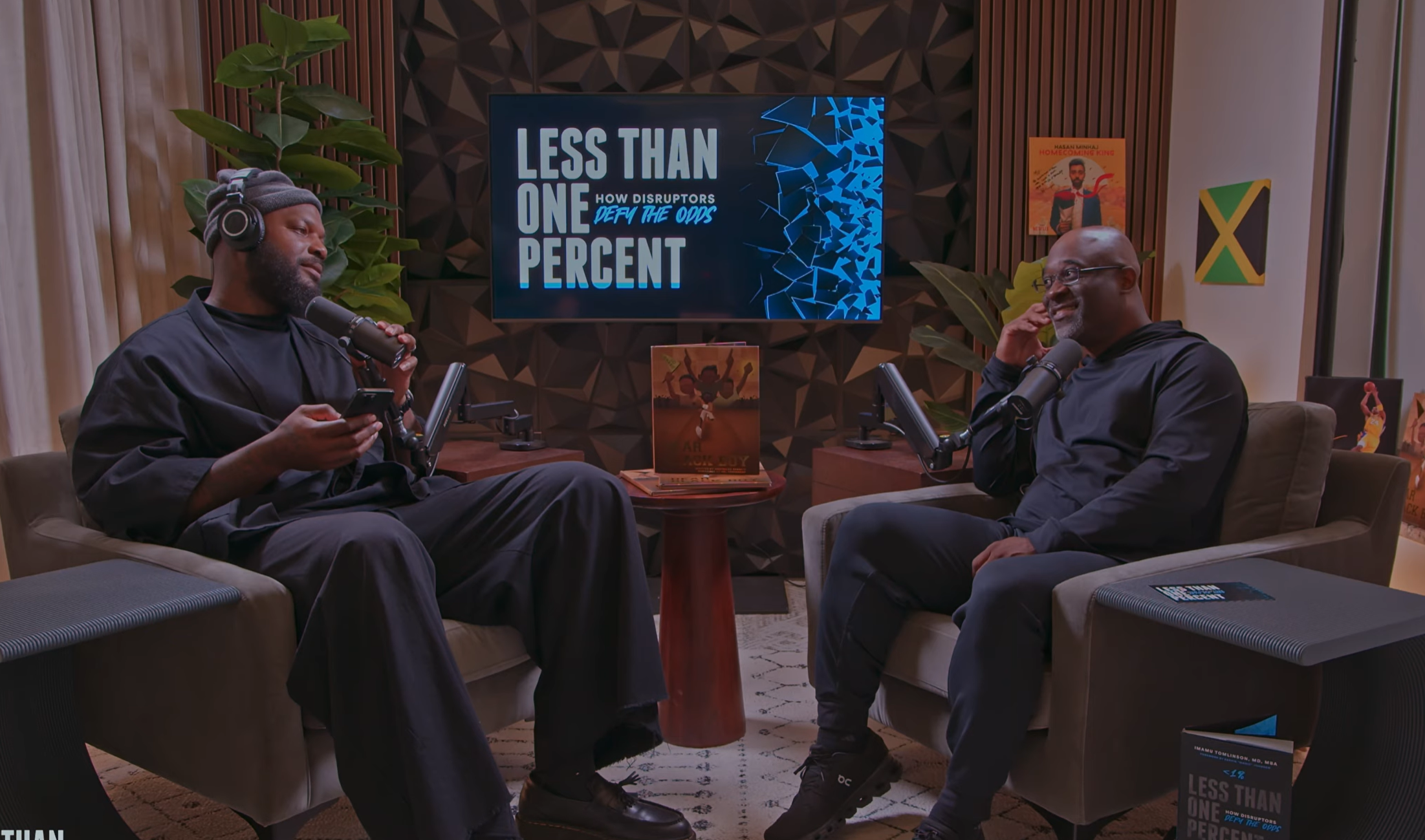

Martellus Bennett’s superpower, according to his parents
Always being imaginative
Working with people who speak your language
The movie that defines Martellus Bennett’s life
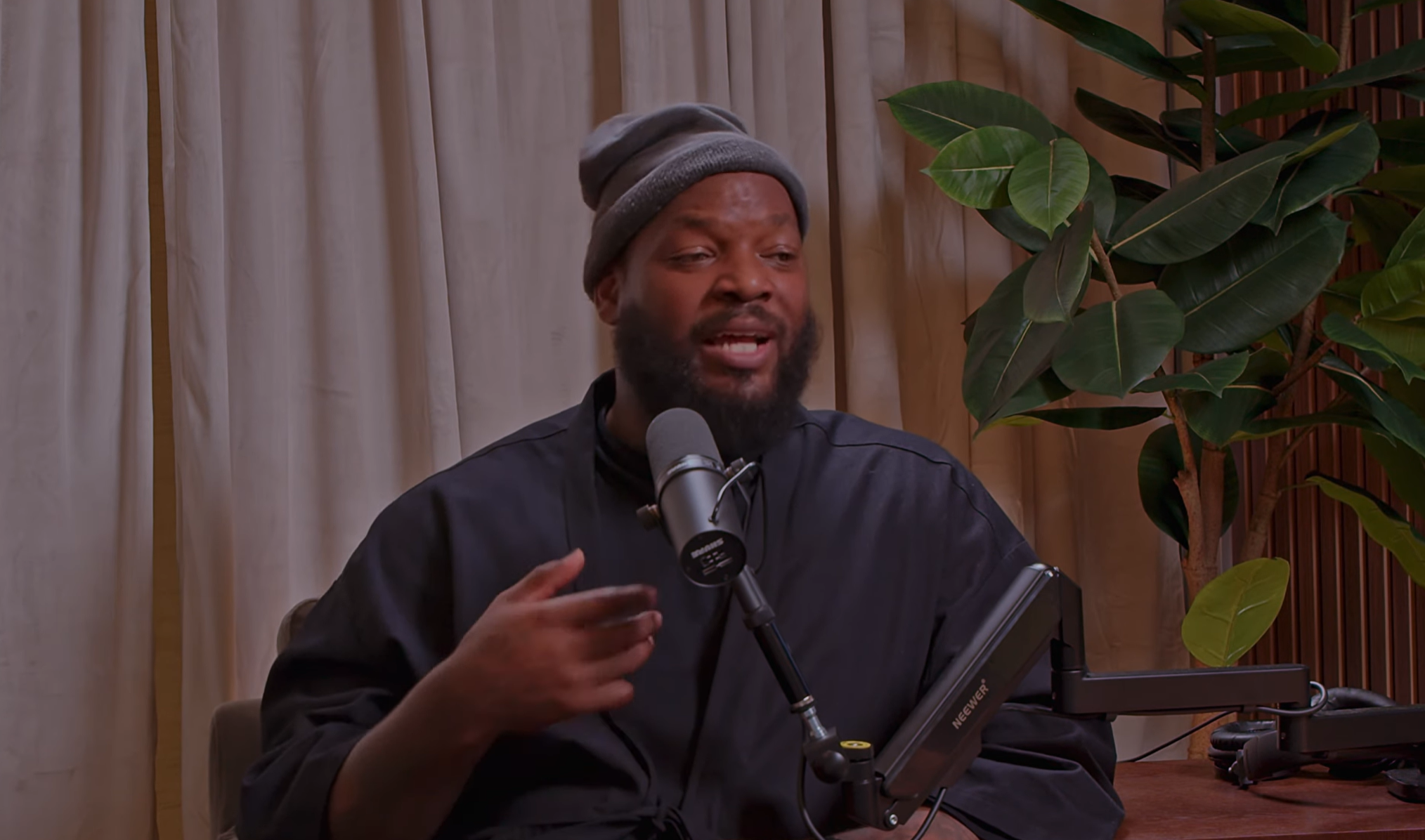
The world was built by imagination
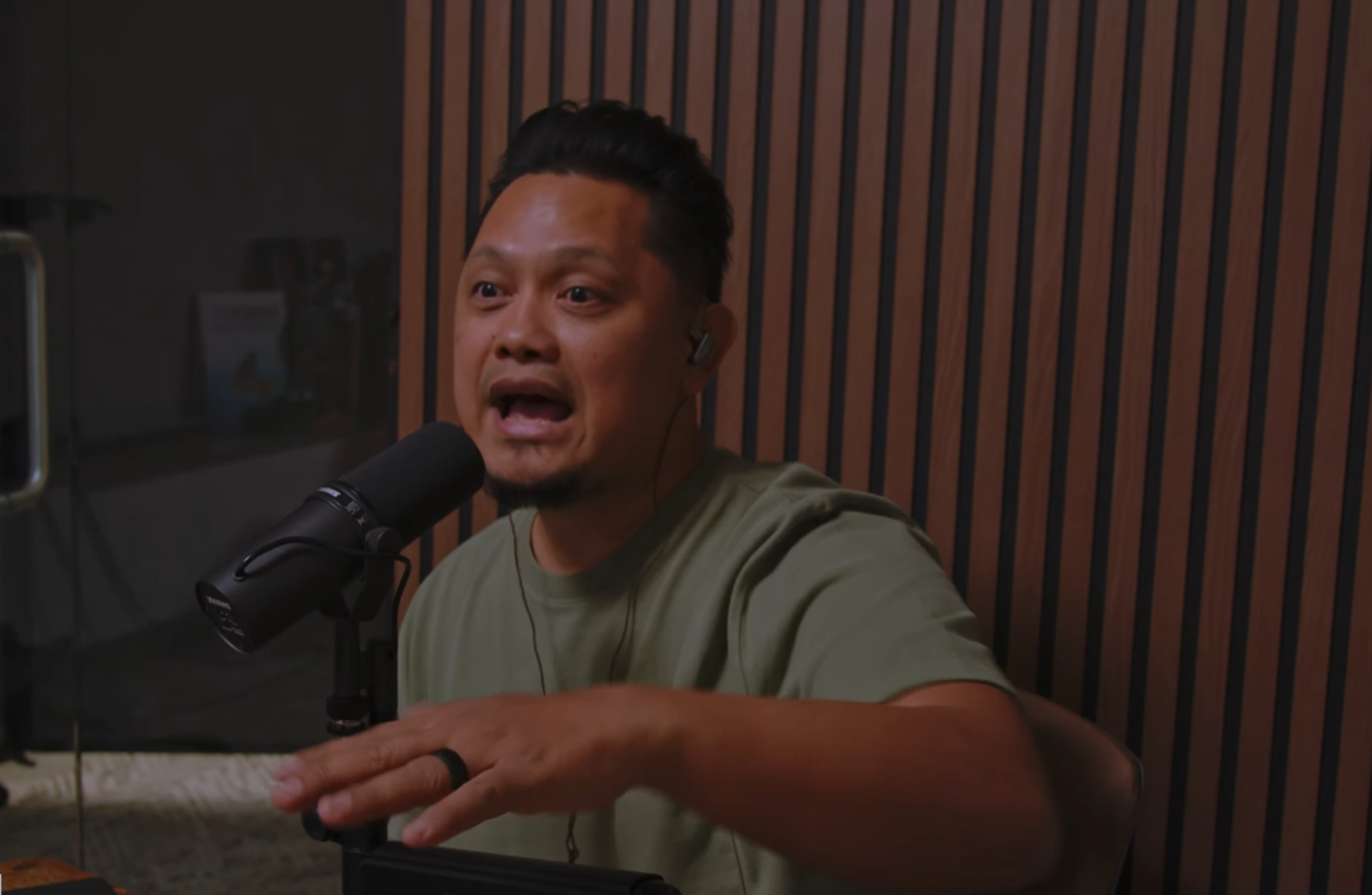
Success is a verb, not a noun
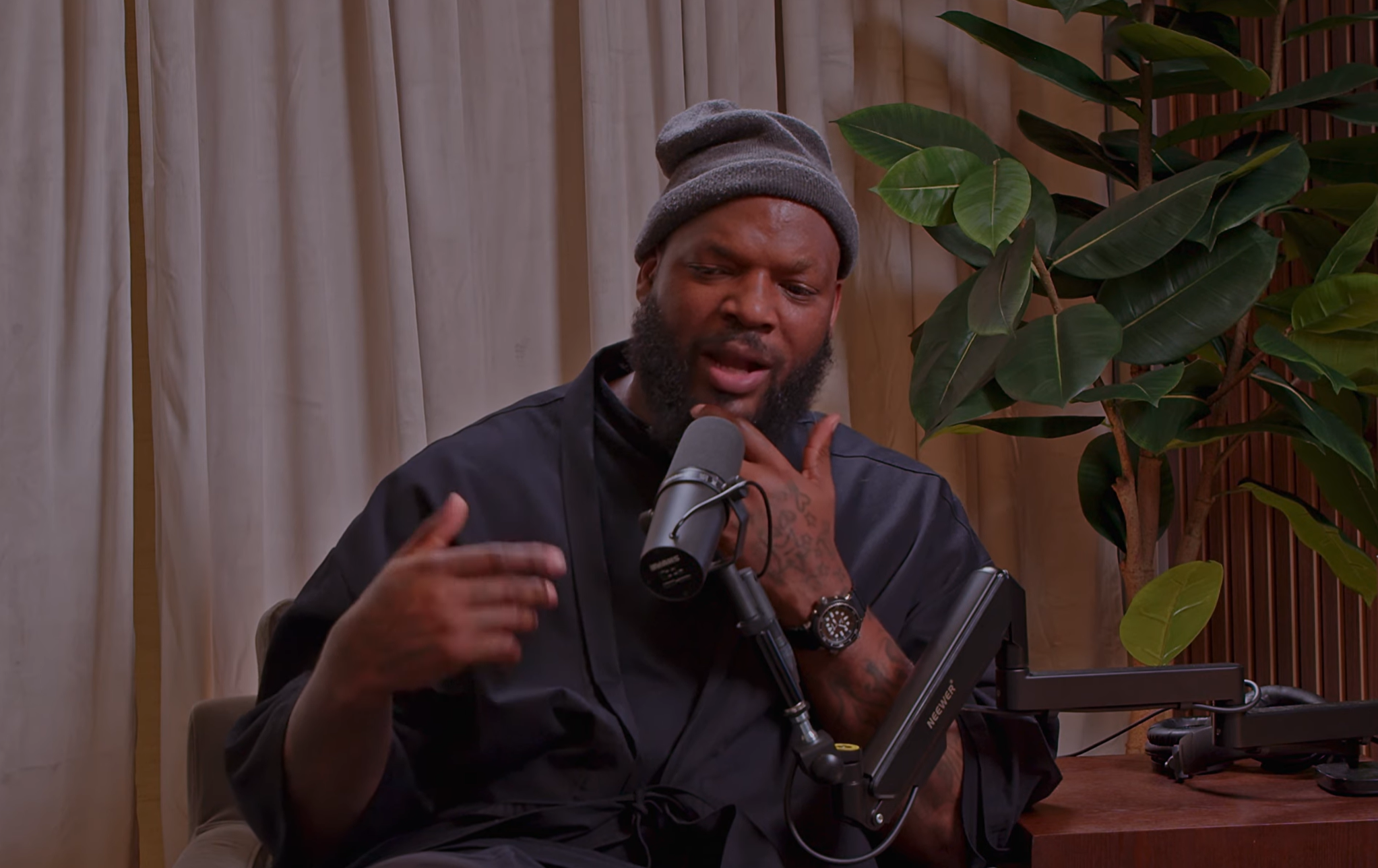
The world is going through a crisis of imagination
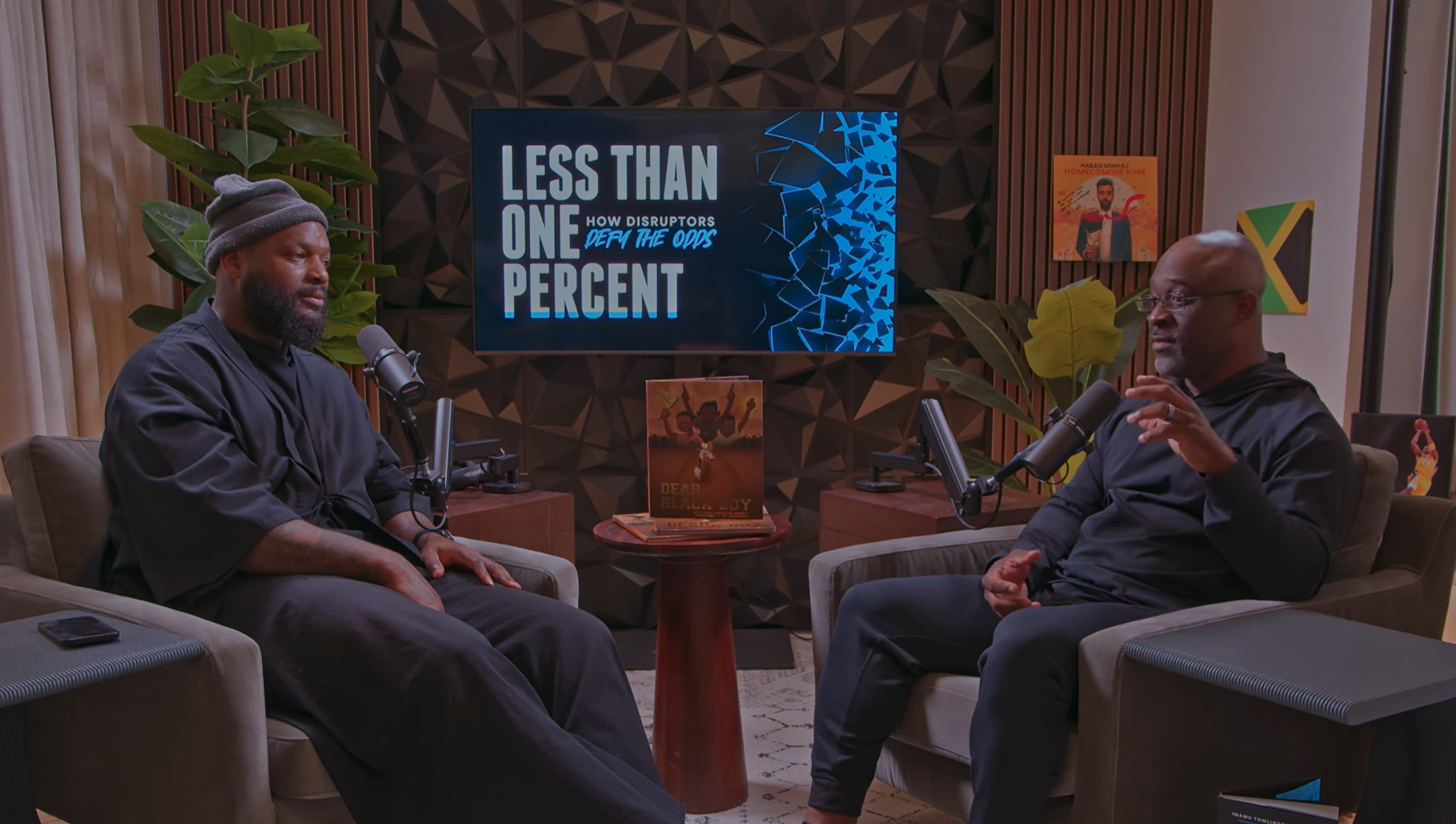
The tenets of being disruptive

Marty Bennett’s storytelling journey began in his childhood
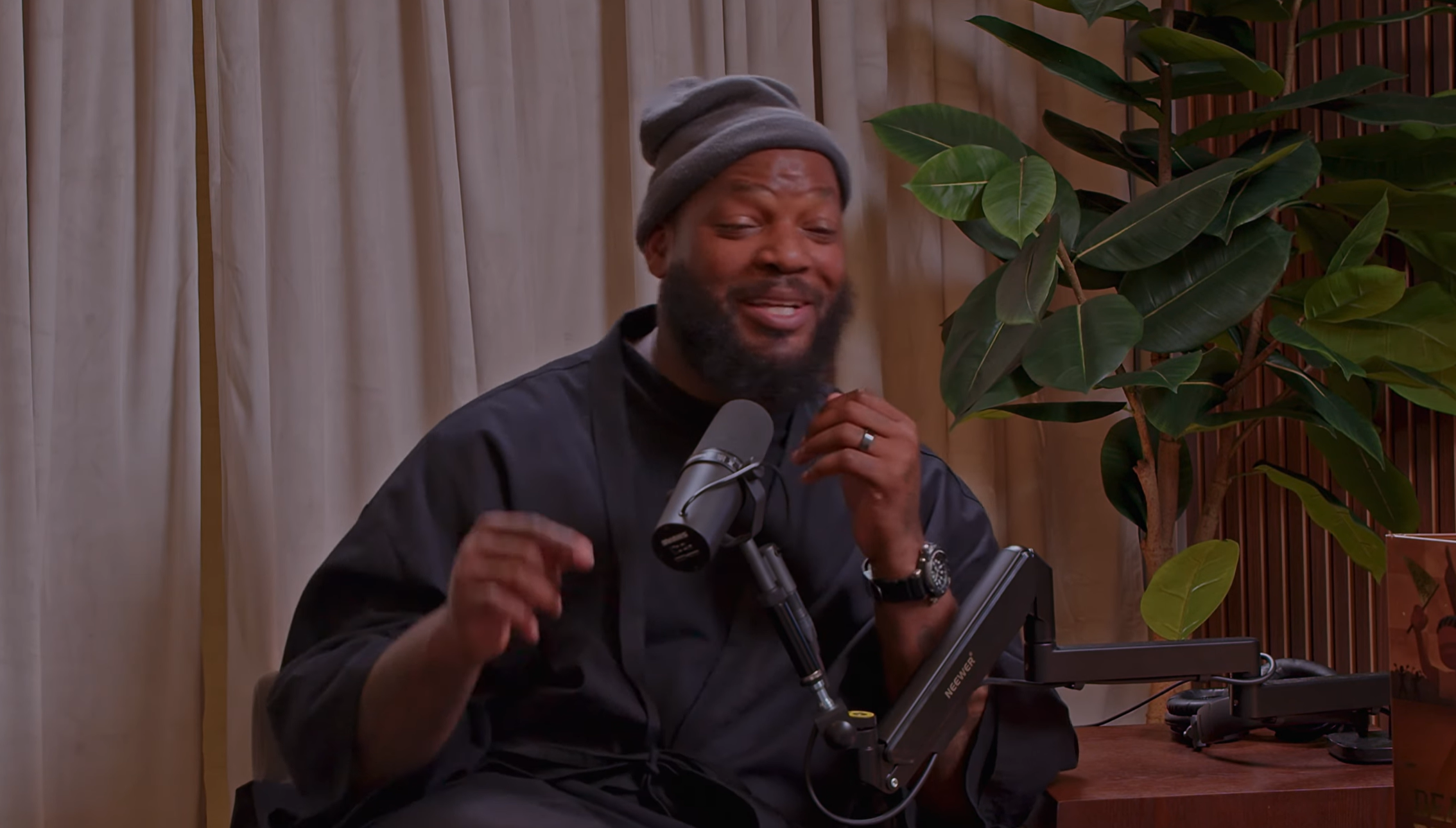
Marty Bennett on the origins of his characters
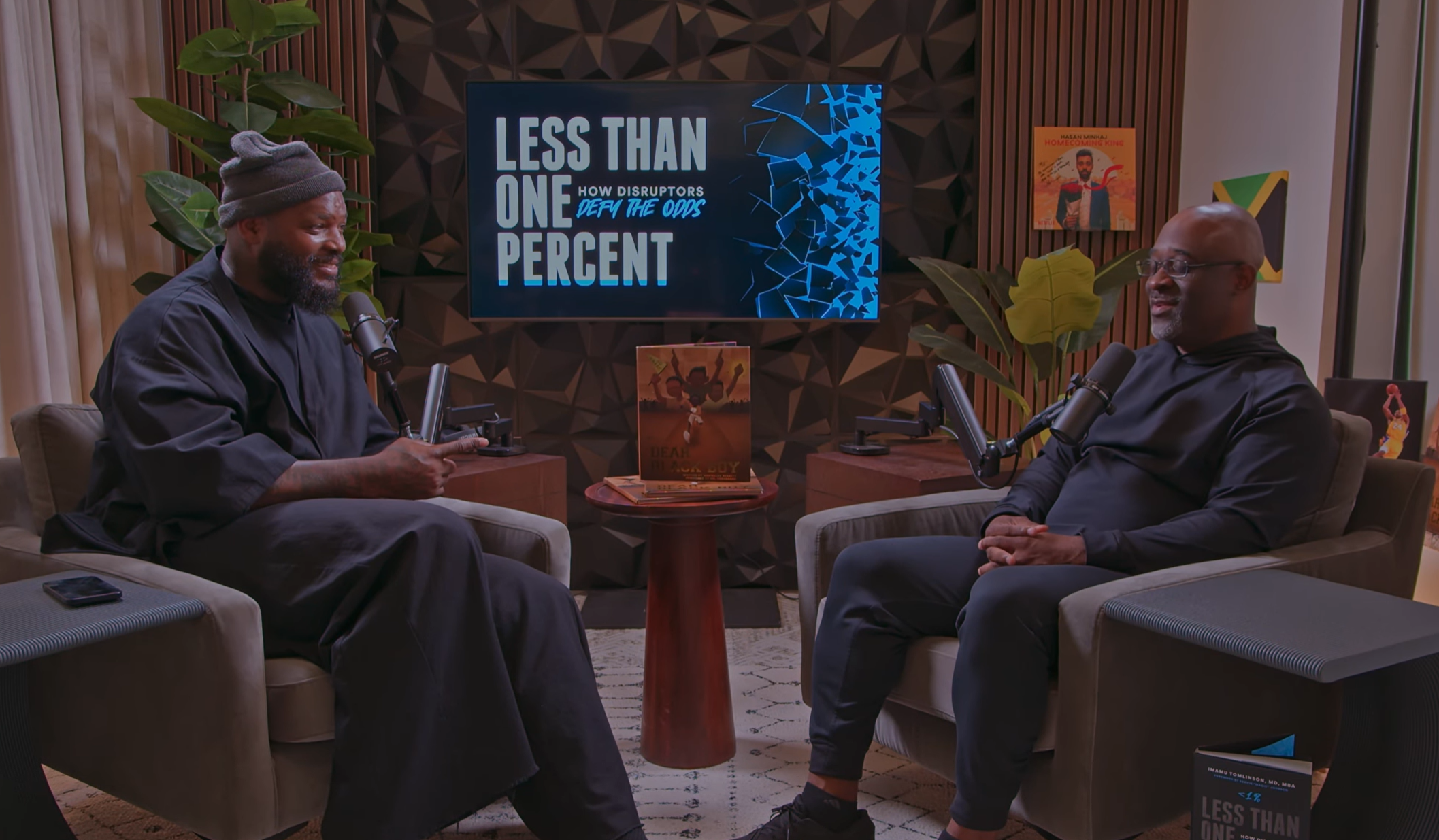
Marty’s why

Marty Bennett reveals he isn’t looking to be remembered
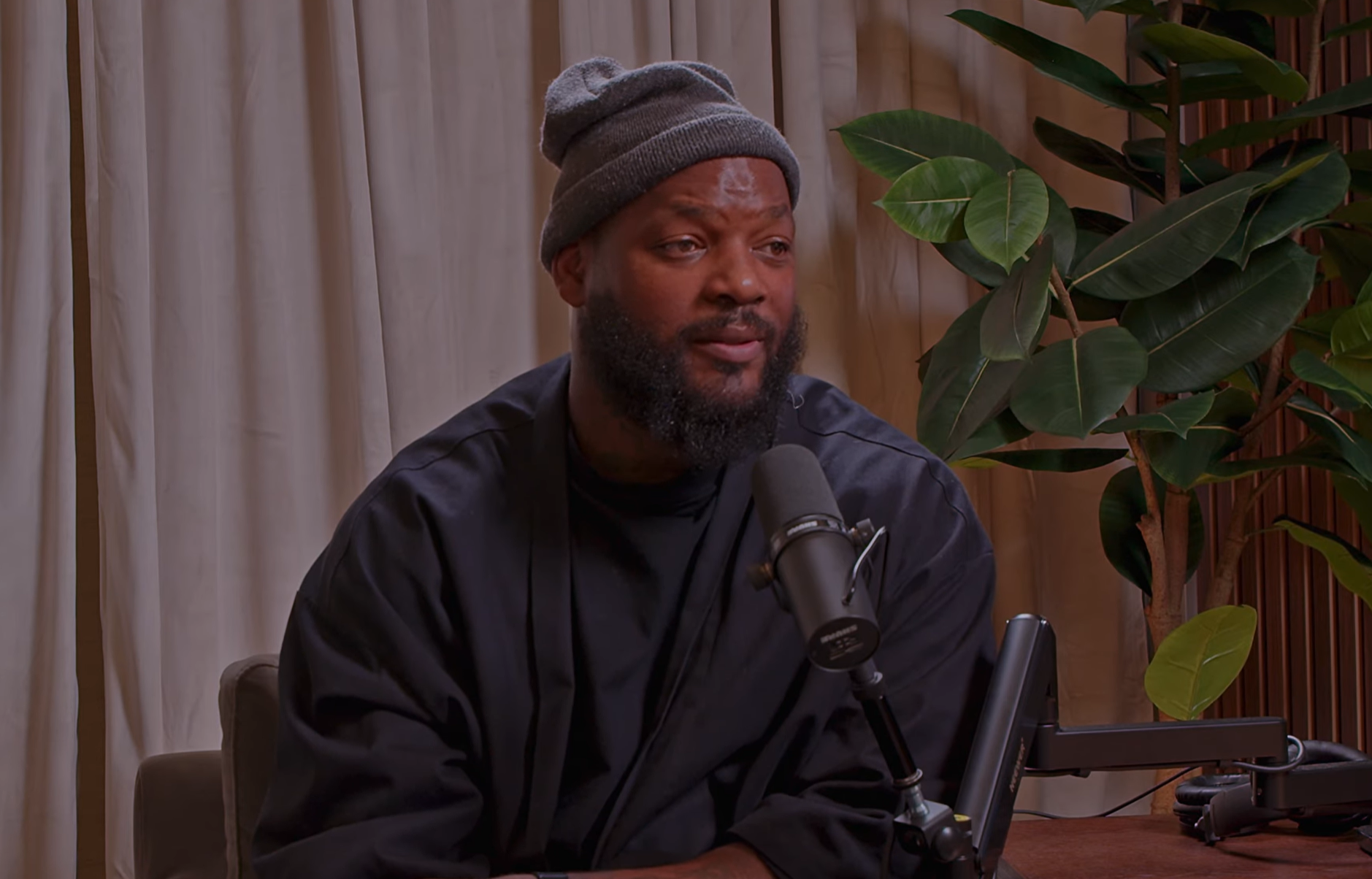
Closing thoughts: The power of books and literacy

Timestamps
Transcript
0:34
I don't have a lot of friends. What? You got You got two more. You I'm like I'm like It's hard to Oh,
0:43
let's see. What up, man? Hey, Dad. What's up?
0:48
Hey, Dan. How are you? I'm doing well. I'm on this podcast right now and I got you live on the uh on the on the on the on the show right
0:54
now. You got a second? Okay. Yeah. Yeah. Yeah. My dad like this kind of stuff.
1:00
Hey, Dad. How you doing? Always got time. I always got time for my sons. All right. All right. Hey, I appreciate you. My name is Moo and uh you know, I
1:07
have your wonderful son on our podcast. And one of the questions we asked uh we asked him today was what his superpower
1:13
was. And um you know, we listen to his answer, but now we want to know from your perspective um what is his
1:19
superpower? What I think Martell's superpower is, I think Martell's superpower is his his
1:27
imagination where he can imagine to be anything he want to be and he make those things come true.
1:33
Wow. Wow. So his his imagination and being able to then deliver on that that
1:38
thing and and and be the architect of something new and creative. 100%.
1:44
Wow. Wow. Do do you agree? Oh yeah, that's a strong one. Yeah, that's very good. That's very good. My mom calling.
1:50
Mama calling me back now. Oh, we can ask her, too. Yeah. Yeah, we can ask. I got to call her back in a second. We have to get phone. Dad,
1:55
what you doing, Dad? Oh, nothing. I just clean up clean around the house. Messing with that pool
2:01
again. You're a good man. You're a good man.
2:07
Yeah. Yeah. Okay, Dad. Okay. Yeah. Any more questions for Hey, appreciate you. Thank you so much.
2:12
Good talking with you. Yes, sir. All right. I'll hit you back later. All right. All right. Love you. Bye. All right.
2:17
Love you, too, man. All right, let me call my mom back cuz she gonna be like, "You just called me. If I don't call her back, she going to
2:23
be good. This is what we get to get to get both perspective." Hello.
2:28
Hey, mom. What's up? Hey, not much. What's up? I'm on this I'm on this podcast and you
2:34
live right on it right now. They want to ask you a question if that's cool.
2:39
Yeah. Yeah. Well, we call here you right now, but it's just It won't be long. So, I'll just call you there.
2:45
Yeah. Yeah. Yeah. My mom's like, "All right, what you got me on?" She like, "What you got going on over there, son?" My mom know I'm full of shenanigans.
2:52
Yeah. Hey, mom. How you doing? Sorry to sorry to bother you. This is Moo. And your your son is on the less than 1%
2:58
podcast. And we asked him a question. We we said to him, um, "What is your superpower?" And he gave us his answer.
3:05
And now we want to ask you the same question to see if they match up. So, oh, we want to know what what is your son's
3:11
superpower? Oh, man. It really put me on the spot.
3:16
Well, I don't know. I would say he has a lot of superpowers. Oh, well, thank you. That's a good place to start. Yeah.
3:23
Yeah, he does. He has a lot of superpowers. Martellus has an amazing a great imagination. He's a great
3:28
storyteller. Um just his creativeness. I don't know. He has many superpowers.
3:34
Well, that's perfect. I'm biased because I'm No, that's great. That's perfect.
3:40
That's perfect. That's what dad said. Oh, okay. You know, anyone that knows
3:46
Martellis, I think they would agree. You know, he's just he's just a well-rounded all-around guy. You know, Martell, you
3:52
know that I'm not trying to make your head any bigger than what it is. No, that's all right, Mom. Thank you.
4:01
Thank you so much. Did you Did you have a good day? I did. I had a great day. You know, it's
4:07
one of those busy days. We're getting ready for state testing at work, so I'm running as always. Yeah. Okay.
4:14
All right. All right. Appreciate you. Thank you so much. Good to meet you on the phone at least. All right. All right. Mom to meet you.
4:20
I'll talk to you later. Love you, too. All right. Bye. Bye. Wow. Wow.
4:26
I see. Random, right? Yeah. That ever happen like that when people say same thing?
4:31
Never. And And not not only I mean two both parents. Both parents. Yeah. If I call my daughter right now,
4:37
she'll probably say the same. I bet my daughter would probably say the same thing. I thought about calling her, but I'm like, "Oh, she in school."
4:45
That's awesome. That's a That that that's what I was saying earlier about football. Like people think that
4:50
Yeah, that's who I am. But anyone who knows me knows that the stuff that I do is actually who
4:56
it makes sense because I mean I it takes a lot of imagination to be doing all all
5:02
the things that you're involved with. I think there's something else though that I noticed and you tell me from we
5:07
all up in your business now. Yeah. one thing you hear. So, knowing knowing
5:14
knowing my family and you know what my kids have been through, what you go through as a family, you can hear it in
5:21
the way they communicate with you, the way you all communicate. You know, one of the things you did at the end was,
5:26
you know, you asked them both if they were okay in different ways. Yeah. you do with mom relationship different than dad
5:32
relationship, but you you just I mean even though you're doing this thing with us and I appreciate it, you're also there are
5:38
several different things that you're finding out. Yeah. Just from one conversation. That's true. So, I mean, I I'm
5:47
we I'm just in I don't even I can't even find words because I really appreciate
5:52
not just you coming on here today, but you really having I can see that connection with your family, but also
5:58
that connection with the world is is awesome. Oh, yeah. My like oh to go back what you said about imagination. I think
6:07
athletes who want to play professional sports have to have so much imagination.
6:14
But I think the problem is is that when that dream doesn't come true is not the failure. It's that I put all my
6:21
imagination into this thing. When what do I start imagining now? So the process of not making it the
6:26
identity is re is reimagining who you are and what do I want to start using my
6:32
imagination to work towards now. And the thing is when it's done, right, a lot of players when they done playing
6:37
anyway, whether you had a great career or you didn't play very long or you didn't make it, they all go through the
6:43
same thing because their imagination is kind of burnt cuz they had to imagine it from you got to start imagining that
6:48
dream, right? From the from the beginning. 100 that's that's 25 that's 20 years of imagination to achieve this one thing.
6:55
Yeah. And if that one thing doesn't happen or if it happened and it's over, what now? Yes. And you it's actively working the
7:02
imagination. It's no different from if I'm writing a book, right? I got to write the pages, work on
7:07
it for years and years, but then Lisa, you book that take 20 years to write. You might when you want to write another one.
7:13
But I think the other thing to me is that like I've always been an imaginative
7:20
kid person my entire life. Like, you know, I think the reason why my wife fell in love with me,
7:26
and she probably would say this, too, is because when we met, her father had died not too long before that, and she was
7:33
putting herself through college, and she had to grow up really, really fast. But when we were together, it was like,
7:39
"Hey, you want to go to the theme park? You want to go to the carnival?" So, for me, I was a place of play
7:45
in her life where everything else about her life had to be so serious all the time. But when we hung out, it was like,
7:50
"Hey, you want to jump on this video game?" Like, "Hey, let's go. Let's go bowling." Right? You know what I'm saying? I was always trying to like we
7:56
was always playing. Like we played together a lot, but the play was different, right? It was like, "Hey yo, I'm about
8:01
to order pizza and let's just like watch a bunch of movies tonight." We did those things. So, we played and we still do
8:08
play a lot. I have a playful house. Like I always say that I'm in charge of the imagination in the house,
8:13
but like I'm in charge of making sure that we're playing things like you know and my daughter's like she's like she's
8:19
a version of me and her the same people in a lot of ways. Um and my my wife my
8:26
daughters are super creative. Like um her superpowers is like somehow she
8:31
inherited the same superpowers that I have except for she has a little more um
8:41
she's a little more relationship driven. Like my superpower is more siloed and
8:46
then I share it with the world. Yes. She's more collaborative in the aspect of she want to draw with her. I don't
8:51
want to draw with nobody. Yeah. Yeah. I don't want no I don't want nobody to even I edit my own books, right?
8:58
I don't want no editor. Like you know what I'm saying? I don't want you to change what I'm going to say. None of that. Don't tell me.
9:03
I'm doing my own I hired somebody to do a website but it will never be what I imagine it to be.
9:08
Right. So I had to develop the skills. What that taught me is I need to slow down. So actually I think that that that what
9:15
I call that is creative control. So it's not necessarily introversion is that you are unwilling to give up
9:20
creative control of what you're creating. 100%. Now, there's other stuff I don't want to do,
9:25
right? Yeah. You do the taxes, you do that. But once the this is my company is more valuable when my head is down,
9:34
right? When I'm drawing, that's when I add the most value to the company. When I'm writing,
9:40
drawing or doing like me working on the website is better for the company because I'm adding more value to the
9:46
company itself. And that I wouldn't even say the company like really the business of me and I find collaborators along the
9:52
way. So I run more of an alikart business, right? Like I don't always need animators but if I'm working on
9:57
animation I do up to the part where I could communicate exactly what I need to get done. I do the rough animatics and
10:03
those stuff and then I bring the animators on. But I like to work with the same people because I don't have to teach them my language.
10:09
Right. Right. So like working with the same people allows me to be like, "Oh, hey man, I got another like, okay, cool. I'm
10:14
I'm available." So I work with the same collaborators along the way. So it's like my company is a company of
10:22
uh you know 60 70 people but 60 or 70 people aren't at my company.
10:27
Right. Right. Right. Right. Right. Right. Right. So and I don't know what I'm going to be doing next. So if I'm building a house,
10:33
right, then that's my other set of collaborators. But we don't build houses all the time. Otherwise I'll just have people on the payroll sitting around
10:39
waiting for the next time I'm going to build a house. Right. So, I kind of started build relationships with all these different
10:44
collaborators and to work with me is the one thing is about learning how to see
10:51
the world. Yeah. Cuz that's what it's about. It's like, okay, you know, I don't want you to be
10:56
like me necessarily. Well, sometimes I don't want you to do anything but just do the exact same thing I did, you know,
11:03
whatever. But like like a lot of my times is teaching them how I see the world. So, where where would be the best? So,
11:10
somebody's listening to this or watching this and they want to they want to learn
11:15
more through your creative out, you know, outlets. What tell me what's out
11:20
now? What are people what do you want people to go out and listen to, buy?
11:26
Yeah. You know, what are what are what are what are those things? cuz I I went and bought, you know, Dear Black Boy cuz
11:32
that to me that of all the things that I saw, it it resonated with me just raising a
11:37
boy and you know and and sort of what I told you about my my old selves that
11:42
you know are still in the back of my head. But what what what would you recommend to the audience to say like go
11:48
get this, go look at this, go watch this. Well, first I want to go back to a
11:53
question that you asked me about 45 minutes ago. I've been thinking about it this whole time. Okay. I feel like I got to answer. You said,
11:59
"What movie?" Yeah. Right. Is the movie that kind of defines
12:05
like my life or where I am in life. Yeah. And I've been thinking about that the whole time while we've been talking. And
12:11
um one of them would be finding Dory or Little Nemo. And I think the there's
12:19
the main thing would be the just keep swimming cuz she she her mind is constant play.
12:25
Yes. Constant play. And whole thing is just just keep swimming, just keep swimming, just keep swimming. I think about that a
12:31
lot through life, right? Like if I I had to swim through things, right? Like I just just keep swimming, you'll get
12:36
there. So that's something I like that stuck to me in in life. And then there's a
12:43
um another movie I don't even know um that
12:49
I would say that the way I see beauty in the world would be Crouching Tiger,
12:55
Hidden Dragon. Hey So when I think about the beauty and the essence of the world and like in film,
13:01
that's kind of like the film. I'm like, man, like that's how I, you know, I kind of see things float a little bit. Like
13:07
everything's a little more magical, but it's still practical. Wow. And so that's kind of how I see the
13:13
world. And it's one of my favorite movies because of that. It's like they push it just far enough where they don't have superpowers, right?
13:19
But it's like they're able to tap into another part of their existence and their brain that allows them to float a
13:24
little bit higher. And we've seen people do this. We've seen people jump higher than other people. Yes. Right. But it's like, you know, like
13:30
there's so much distraction that we lose a lot of the power that we have of our mind like because we got so many
13:35
constant frequencies interrupting the frequency of us. And so when I think about those things,
13:41
I just those two movies are two that like I see like Crouching Tiger Hidden Dragon is a I think is one of the most
13:47
beautiful films and they got kung fu in it of course. I mostly like I really like kung fu movies.
13:52
Yeah. And it and it's Yeah. And it it there's so much in that movie. It's not just Yeah. Yeah. Yeah. Oh, yeah. The whole
13:58
movie is poetic. So much. Yeah. It's the the thing is poetic. Okay. So, the other question, so my new website, I'm telling
14:04
you, bro, the new website is going to be so crazy. Like the one that's up right
14:10
now, but the one I'm building, I've been building it, you know, and
14:16
everything. It's what I realize is that we start
14:21
building companies a lot of time we look at companies that already exist.
14:26
Yeah. Right. Yeah. You try to like I want to be Disney but then you realize man I ain't got the skill set. I ain't got the
14:32
I don't have the history or the knowledge that Disney had. They've been around for 100 years. You know how much knowhow that is?
14:38
Yeah. Right. And the scale of that knowhow. I don't want to manage 200,000 people either. Right. I realized as you get
14:45
older like 10 to 15 people is kind of all I really want to work with, right? I don't really like I don't want to see, you know, you know, it's a lot. Managing
14:52
people is a job in itself. I want to have more of a thing where I could see everybody that I'm working with and I
14:57
can know them and like you know what I'm saying? So you saying the website will be the the place where people can go and
15:03
explore. Yeah. Because I realize that everything I do is a product. Yeah. Right. If I write an essay, that's a
15:09
product. Right. If I make a song, it's a product. If I make a chair, it's a
15:14
product. If I have a quote, it's a product. But the thing is, all the products, some of these products, I
15:20
don't want you to I don't think you need to pay for. Right. Right. Right. Right. Right. A photo I take is a product.
15:26
There's people who get paid to take photos. I take beautiful photos, but I never sell the photos.
15:32
Right. Right. But on my website, then you get this curated experience through my
15:37
imagination. The website is built for you to hang out and you could exit through the gift shop. So e-commerce has
15:44
just like the internet has just turned to e-commerce. I'm trying to sell you, sell you, sell you, sell you. But there's not a place where you go on like
15:50
my type of it's not built for your phone. It was built to be on your computer or your laptop. I have the type of website that you want to have coffee
15:56
with. You know what I'm saying? Where you could just get on there, you could read and be like, "Oh man, this is beautiful." I've never even heard that before.
16:02
Yeah. I've never heard that. What? That's unique. A website that you could have coffee with. Yeah. I've I've never heard anybody say
16:07
that. I know. That's my first time saying it. You need to you need to you need to go to you need to call them and and uh what do they call it? Um you need to uh what
16:16
is it? Uh what am I trying to think of the word? Coin that. Yeah, you need to coin that phrase. You need to cuz the website that you need
16:22
that you want to have copy with. So think about Yeah. Like it's it's like man, you know, it's I'm a lot to consume.
16:29
Yeah. Right. Because there's so many um ideas I have manifested. I'm in the business
16:36
of manufacturing my imagination, right? That's a anyone can have an idea.
16:42
Manufacturing your ideas is something I've been able to do over and over and over again. In this room,
16:48
we're sitting with thousands and thousands of manufactured imaginations. This chair was someone's imag, but then
16:55
this fabric was somebody else's imagination, right? The shape of, you know, like all of it, like these mics,
17:00
the pieces that went in the mic. This is collaboration with millions and millions of humans across the planet. I love that
17:07
about the world. Wow. Like I get on the street, someone thought about designing the streets. Like it's so much imagination that we
17:14
have barriers of dotted lines in streets that we won't cross over. And when someone crosses over that dotted line,
17:20
you like, "Hey." Yeah. What are you doing? It's just a dotted line. Wow.
17:26
Like that. Like you know what I'm saying? You know, so the whole world is this collaboration and this whole world was built by the imagination of those
17:32
that came before us. Yes. Absolutely. Now, what I would say what's happening in the world right now is a crisis of
17:39
imagination. Yes. There's a lack of imagination and it's because our imagination have become passive through the way that we
17:45
consume the world. Yeah. When you read, your imagination is activated. When you go to art museums is activated. Now it's the television, it's
17:53
the phone, it's this, it's that. paper, you know, activates the the whole body
17:58
like writing on paper. So, we we describe it in such different ways, but um one thing I say, I say this
18:05
all the time, but it's in my in my book. I was taught the way I was taught in medicine is that you have to um be better faster
18:13
than everybody else gets better so you don't get worse. And that's just a rat race. Mhm.
18:18
That's just constantly being in competition with somebody, watching what they do, and then trying to be better
18:24
than that. To me, I think disruption is actually doing things differently, being creative.
18:31
My my goal in life is not being better. My goal in life is pursuing greatness. And that's a very different thing.
18:37
100%. That thing that you said, that rat race, that's costing me a lot of money business-wise. Right. Right.
18:43
Right. Because then I started realizing that, you know, when you have a dream, what
18:49
you actually want is not the thing. It's the process. Yes. Like you want to be waking up early.
18:55
That's the actual dream. Cuz you can't want this if you what you actually saying is I want to get up early. I want
19:00
to stay up late. I want to write. I want to read. I want to grow. I want to do the I want to work out. I want to be this. The
19:06
the thing like to get from Dallas from Houston to Dallas, there's the street.
19:11
the whole the once I'm here, I'm here. There's no adventure in that. Yes. Right. The adventure was the journey to
19:18
get to the destination. That's the dream, right? I love the process more than I love the object. Yeah. Um you know, with the Eagles
19:24
winning the Super Bowl, AJ Brown had that tweet where he said after winning the Super Bowl, I thought that this was this was it.
19:31
Like this was going to make me the happiest. Yeah. And he just realized that no, like I'm
19:36
over it. I I miss that grind that every day I'm working out. Yeah. No, working with my teammates.
19:43
That's for him. That's where his reward was. And that's what I wrote. I I wrote that success is a verb. It's not a noun
19:50
because it's not somewhere you get, it's something you do, right? And so that's that's what you're saying is that like the journey, I mean,
19:58
both my kids going through it right now. You know, you know how it is with this transfer portal is nuts. I mean, it's so
20:04
crazy. And I keep telling them both, I tell my daughter, it's the journey. is is how you feel
20:10
along the way. You know, she went in the ACC championship u tournament.
20:15
She played 2 minutes. Yeah. But she and then she's like, "Well, that was a championship." I said, "No, your championship was you played Florida
20:21
State. You played 30 minutes and you almost had a triple double by yourself at 5'5." Yeah.
20:26
You know, she had five rebounds, I mean, or six rebounds, seven points, you know, a bunch of assists. But
20:32
yeah, it's so I think you're 100% that the journey along the way once you get there
20:38
and that's why we see a lot of people multiple championships, right? That's why you develop character.
20:44
Multiple championships and they still going back to the grind. Yeah. You develop character through the process. Yes.
20:49
You find out who you could tell I could tell you who a person is by their process of doing the things that they do in life.
20:57
Like that's where I figure out like if I could look at your process and tell you what you care about. Yes.
21:02
And so, uh, I forgot where we how we got to this thing, but like, but I was gonna say, but like, so, like,
21:09
we gonna keep talking and it's gonna be Monday before we know it. Yeah. Yeah. Yeah. I was just like, so like I I like the space. I'm very like,
21:16
I like the space. I like, you know, also like, you know, we start talking, we this our first time ever talking. I
21:21
don't think people know that. Like, I like this that was just one email and I was like, oh yeah, cool. I'll do it. The brother, I saw it. I looked at it like,
21:27
yeah, I go talk to the brother. Let's do it. Like, sign me up. I'll be there this Can you do it this day? you like, "Yeah, I'll do it." But I think that like when
21:33
we um processes, right, like processes, right?
21:39
And the processes of everything, right? The collaboration of everything like the
21:45
processes and and my what I was going to say this crisis of imagination. That's what I was going to say or at least
21:51
thought I was going to say at that time, but like the crisis of imagination is an issue because what that really is is the
21:57
lack of the ability to reimagine who you are. Yes. Right. If you stay in a abusive
22:02
relationship relationship really it's a crisis of imagination because you can't imagine existing in a
22:08
world where you're not abused or you don't have to go through this. So it's much easier to stay here because you don't know what's out there.
22:14
Is there anything else for out there, right? You can't imagine the possibilities. If I don't like my job,
22:20
yeah, I would just deal with the hate for my job every day because I can't imagine myself finding another job that I could
22:26
possibly like. I rather have the idea that there's something better than me to get me through this pain better for me
22:32
to get me through this exhausting pain than to actually quit and go find the next thing.
22:37
Wow. It's like so this lack of imagination, right? It's a lack of imagination to
22:43
imagine like I think this is why like just the presidency. We have a presidency, right? Where if you think
22:49
about the way that we do it, one don't know how to play with others. Mhm. You
22:56
could I could tell you could look at him and think about the kid that he is on the playground or is just by the way
23:01
that he plays today, right? With others. Yeah. Right. Yeah. And then also this lack of imagination for the movement that they
23:08
have that they can't imagine a world where they are the minority
23:14
because of what they history what the history is for what they like. You know,
23:19
it's funny like I think like white people always think that black people are gonna attack them because they know the history of the world,
23:26
right? Like there in leadership like oh they want it's like hey we just try we go you know what I'm
23:31
saying like like you know what I'm saying? So it's like I think that lack of imagination it makes you want to try
23:36
to shape the world in a different way. But as you grow and becoming more
23:41
imaginative you start to see that there's more possibilities in the world for everyone to exist. I totally agree. Like I mean I
23:48
A lot of people, a lot of people who report to me or report to somebody who
23:53
report to me, right? They have a lack of imagination. What they want to do is they want to curry favor with me as a
23:59
CEO so that they can move up. And I keep telling people that's ambition. I said, I don't like
24:04
ambition because ambition is is about your relationship with me and your relationship with the
24:11
organization and the partnership and all this other stuff. I said, "If you are killing it where you're at," and that's
24:17
how I mean, I'm sure you were like that, right? No matter where you are, you know, whether it's it's being a a guy
24:23
who's not built like a basketball player, you know, trying to play basketball or whether it's not built like a CEO trying
24:29
to be a CEO, if I just focus on that moment and trying to impact the world, there will be rewards. There will be
24:35
blessings that come from that, right? But when I look at the goal, if I said I want to be a CEO, then whatever I'm in,
24:43
I can't really focus on that because I'm looking at this thing. Yeah. And I don't even really know how to do it.
24:48
So I Oh, go ahead. Go ahead. I was in synagogue. Yeah. And I walk into this this space and they
24:57
have all these masks and sculptures in there that were handcarved. There's art.
25:03
And I'm looking at all this stuff and I find this crate and I'm digging through this crate and I find this this figure,
25:10
this man. He's sitting there kind of dressed like me. It was my first time I ever saw myself in art.
25:18
So, I bought the piece. But the the thing I love most about the piece is that it's like when he was sitting
25:24
there, it was this sense of contentment,
25:29
not with where his life is, but being where he is when he was there, while he was there.
25:34
Yes. So a lot of times for me, I think about it now. It's like be where you are when
25:40
you are where you are so that then you can get where you want to go when it's time to go where you need to go.
25:45
The gift is the present. Yes. So if we are if I want to rise in
25:52
business then I want to increase my process so that I can increase my pro productivity.
25:57
Yes. Right. So I got to I want you to notice me because of the product for my process
26:02
because what you hire people for to lead a company is their process. Yeah. Like you like oh man I love the
26:08
way your philosophy every coach has a team philosophy. They have a process, but you can't develop that unless you go
26:15
through all the stages of life. So like being in the mail room, being in this space, being this job, this job, and
26:21
going up allows you to create processes for every single step of the business. So when you do get to the top, you could
26:28
run the whole thing. Yes. You can't skip the process. So Jordan, I had like all these
26:34
questions and stuff. No, no, no. Hold on. This is what I'm about to do with this because
26:41
you are
26:46
listen you your voice your impact the
26:51
way you think and it's not just creative and I I'm seeing your mind play out even in this podcast right
26:57
the way you even think about things is that less than 1% way you so you a
27:04
couple things going back we're the same because we a conversation 45 minutes ago and we're
27:10
bringing it up now cuz it's been spinning this whole time. So the one thing you said is that when you read something or when you look at something
27:17
the first thing you you think is I don't dis I disagree with it. Yeah. So like what I I think like the tenets
27:22
of disruptiveness or disruption is first is disagreeable. The second is optimism.
27:29
Right. And they don't live together. People who are disagreeable are not often optimistic. But the optimism comes
27:35
from what you said which is envisioning all the possibilities. I don't believe it. So I'm going to work to figure it
27:41
out and then I imagine all these possibilities. And the last one is relentlessness and I will not stop until
27:47
I achieve greatness. Yeah. That's that's really fundamentally I mean you say it in different ways but
27:52
I'm really connected and vibing on on the way you perceive the world. It's amazing. So for me that all that what
27:59
you said for me the way I coined that is that I don't want to die with potential.
28:05
I think that's the worst thing that we could possibly do as human beings is to
28:11
die with potential. What a terrible way to die, right? Why die full
28:18
of possibilities? Wow. Right. And I told my wife I told her last night the hotel they put me in had
28:24
popcorn ceilings and I hate popcorn ceilings. I told my wife last night if she want to spite me, put um popcorn
28:30
ceilings in my casket. But I also told my wife, I was like,
28:36
"Hey, you know, if I go before you when I die, I want you to like I want my tombstone. If I whatever it is to say,
28:42
here lies a man with no more ideas." Oh, wow. Dot dot dot. Oh, yeah. One more thing.
28:49
Okay. Can you say that again, please? The whole like No, just here dies a man. Oh, yeah. Yeah. Here dere here lies a
28:55
man with no more ideas. Dot dot dot. Oh yeah, one more thing. You know what I'm saying? That's like I was like, god
29:01
damn, he got another one from a behind the grave. And then I said the other thing is I my
29:07
funeral is a movie. Everybody has lines.
29:13
If anybody wants anything in my will, they got to make this movie, right? Hey baby, you know who's alive? Like if
29:19
someone died, I changed the script along in my life. Like this is what you got to say. I want the camera pan in from the
29:25
left. You know, zoom in. You know what I'm saying? Like, oh my baby. Zoom in.
29:31
Hold it there. Make it a movie. And then have it edited and then y'all get
29:37
together and y'all watch it every year on my birthday or if y'all want to vis
29:42
revisit. Don't come to my tombstone. Just watch the movie. Wow. Yeah.
29:47
Wow. But my my goal is to die with no more ideas. And sometimes the idea for me is
29:54
not in my head. I can write it down on paper and I'm okay with that too. Like it's like I can't there's hard to attack
30:00
every single idea have. But my daughter So I think ambition is something that
30:06
ruins communities. Absolutely. Yeah. I think that but I was telling my daughter I was like look I don't care
30:11
what you do but you got to run the company. Yeah. I if you want to be a lawyer run the company as a lawyer.
30:16
Right. If you want to do art through the crap run the business as an artist. But you going, why am I building this thing? Right. Right. Right. Right.
30:22
Right. Like that's a secession plan that you're that you you're that's not just about her ambition.
30:28
What I what I call ambition, maybe it's a bad definition. My am my definition of ambition is seeing something somebody
30:34
have something and doing whatever it takes to get that thing.
30:39
To me, oh that makes sense. I understand that definition. That's not making the world amazing. Like to me, if you want to be the best
30:46
whatever, you know, it's just like, you know, dealing both my kids with sports, you know, they both play point guard
30:52
because they're small. You can't be the point guard that you can't watch another point guard and say,
30:58
I'mma be that per Steph Curry. I'm going to be Steph Curry or Chris Paul. I'm going to be Chris Paul. You have to
31:03
identify what are your superheroes talents. Yeah. And then you always have to show them.
31:08
That's why I tell both my kids like my daughter's really fast. I said, "Every game I want to see speed that nobody
31:15
else has." Yeah. Just one time, right? You score two points or 30 points, I don't care if I see that one. So, we
31:22
have this thing that, you know, let's say she miss a layup or somebody steals the ball.
31:27
She has to chase him down and back tap cuz, you know, she's small. She's not going to be able to jump into the LeBron block, back tap, tap the ball out.
31:34
That's that's my Super Bowl right there. I I I agree. And uh piggyback, I know I
31:40
know we said this, but I I was going to say a thought that I had while you were saying that is that like
31:48
I think generational wealth is
31:56
is almost like the minimum that you could give. It's like at the bottom generational knowledge.
32:02
They could build it again. Yes. And again and again. Yes. A lot of times what happens is the
32:08
great minds in our family die and there's no way to understand what they were thinking or how they did. So then
32:14
whatever the family thing is, it dies. So part of the secession plan is the
32:20
philosophies and the writings and the how to, right? Not just the the wealth
32:27
of the how to. Cuz if I give you the howto, right, you guys could keep it going and
32:32
you could build more, right? And that's what I'm interested in of like, you know, just like in my
32:38
notebooks, like I have characters that I might, my daughter knows that I might not get to write the story for, but she might have ideas.
32:44
Yes, that's IP. How to take it to the next level. She can take it. She might be like, you know what? I just want to go out and I want to license my dad characters to
32:51
make toys cuz he wouldn't do licenses while he was doing it. But I think it's the best thing for the business. Wow.
32:56
She can do that, right? And she can make a living on the for the entire family can make a living on that, right? So,
33:02
so the the logo, tell me about that. The face with the the face. So, I have two logos. I've recently
33:08
switched to a brown heart. Okay. Which is my new logo and it represents this idea of everything I do is with
33:16
love and imagination. Um, and that's how I sign everything off with love and imagination. So, it's
33:23
funny because imagination is a word that comes up in my life all the time. like I
33:29
constantly when people talk to me it's always apparently your parents my parents you know and my mom my mom is
33:36
the reason why I'm a great writer so she used to punish me for doing stuff like stealing from the corner store things
33:41
like that but part of the punishment was I used to have to write these papers on what I did but then I started uh she a teacher and
33:49
but I en I started I enjoyed writing so but then the stories became fantastical I started adding FBI agents
33:56
right it's like you know I crept around the corner and I and I took the and I took the candy bar and I put it in my
34:02
back pocket and then Jose came in. You added You just added Ding ding. Yeah. I just start 100. But
34:08
you can hear my parents. I would sit on the stairs after I turned it in. I had to turn it in my mom by 9:00 p.m. or
34:14
something. Jose. Yeah. They would she would never say any of that. They would sit down there and
34:19
let her and my dad would be laughing. Oh wow. And then it got even crazier because my brother would go down like in the
34:25
morning like a he'll read the stories. So they were reading my stories and I liked that. I like to be read.
34:33
Right. Right. So it's like and the laughter of it, right, was like even though it was something serious that I got in trouble for, you
34:39
know, oh, today in school, you know, it's like, yeah, I tiptoed down the hallway and slid past the lockers. I
34:45
would write like that instead. My brother be like, I stole such and such from the thing. What's this? You know, but I would be these long papers and my
34:52
mom would she but she would take the time to read them. Wow. So she was my first my first u
35:00
audience. My parents, my family was. But then I was really good at telling stories in the neighborhood. Something
35:05
happened in the neighborhood. Nobody would want anyone to tell the story but me. Oh man, man. No, man. Let him tell
35:11
the story. Like man, y'all don't give all the details. So it's like I always watch life and they talking about the boom boom
35:16
room. Yeah. That was me. I was the boom boom room in my neighborhood. Like no matter what happened, everyone wanted me to tell a
35:22
story. And so I've never not been a a storyteller. Um but the thing about the
35:29
what I was gonna say about this imagination is imagination is a muscle,
35:34
right? Like you know I say um say a parent and a child uh some parents struggle to
35:42
play with their children, right? Like you know to be a dinosaur for a little bit of time, right? But what it is is that they have
35:50
a hard time being in their children's world because their imagination grows fatigue. So they can only imagine being a
35:55
dinosaur for 10 to 15 minutes, but to them it's exhausting. They feel like they've been doing or they feel like they've been doing it for a really long
36:01
time when it's only been 5 10 minutes. But to go into that imaginative state is very hard for them because their muscles
36:08
haven't been worked out. It's like when you go to the gym, you don't run for two weeks. Your your your mile time is two weeks
36:14
slower, right? Right. You like, man, I was like, I just at I just did a 7 minute pace and I'm at a 8:45 and I just
36:20
took two weeks off right now. I take that 8:45. Imagine if you took a imagine if you took a lifetime off from imagining.
36:26
Yeah. Yeah. So the it's like how do we get the world to engage and to begin imagining to
36:33
again? How do we make the world a more playful place? And um
36:38
do you have a this logo though? Sorry. Yeah. But the logo, so the with love and
36:44
imagination, but the logo, what happened was when I first started doing this, all my work, a lot of the words that would
36:50
come around and I would use it too because I ain't know any better was representation. But I can't do representation.
36:57
I all my work is just a reflection of my life. Right. Right. Right.
37:03
I do reflection work. Right. Representation can only be done when someone doesn't look like me try to write a story about someone who is like
37:09
me. Right. But for me, what I'm writing is my black experience. My imag like my I
37:15
just learned how to draw white people like two days ago, right? You know what I'm saying? Like my imagination is black. You know what I'm
37:20
saying? Like I ain't have integration in my imagination, right? You know what I'm saying? Like I just like, you know what I'm saying? So my default is black kids.
37:27
Like I don't think about it as like I'm doing black kids, but my whole childhood was like, you know, like I saw myself.
37:34
I'm when I see a story, I want to see myself like I write from my own. Right. Right. which is which is probably
37:39
okay. A lot of people do that. I think everybody does that. You know, if you look at anime,
37:44
right? I mean, anime is the same thing. You're not you're not necessarily that's coming out of a culture. They're
37:50
represented in that culture 100%. People like it more because it is identifiable to a
37:56
culture. You know, where it came from and this is what that art is. But when you think about black art,
38:02
right, what's the what's the style? Yeah. Yeah. Who leads the way in like if another
38:09
artist comes up, right? And they be like, "Oh, he draws like Mr. Tominoi, right?" Like he's like, then you become the
38:17
the uh the propeller of a style. Now, a lot of kids will draw manga, right? They'll draw dra black people, right?
38:24
But it'll still look exactly how manga looks, right? Right. I do banga.
38:32
Of course you do. I do banga. It's black exploitation and manga mixed together. Black exploitation
38:37
is the one of my biggest inspirations in the my lifetime. So, but when I was doing that, everybody would talk about
38:43
representation and they would focus on my characters being black, right? And that would become the marketing
38:48
pitch. There was a thing on Netflix. I forget what it was. It was the first a first
38:54
black samurai. You watch Yeah. Yeah. Yeah. Yo, that's fire. Oh, so okay. So, all right. Let me tell
39:00
you. I'm tell right now. All right. I'm going tell you, we going to wrap up. I'm going tell you two things. So, so what I was doing with my
39:06
characters, so with my brand and I was building it is um what they didn't see in my characters
39:14
was their colorful spirits, right? Who they were, what they represented. I got a girl who chases unicorns in my
39:20
unicorn in my backyard book, right? This this idea of like her being black is the
39:25
that's the least important thing right now. The most important thing is that she catches unicorns. Oh, that's awesome. and that she's
39:31
actually a innovator because she develops and designs traps. So there's STEM in it, right? So she's designing
39:37
traps. She's also really So you got to look at the characters, someone who knows how to problem solve through
39:43
design, design thinking, and she's building all these different traps to catch unicorn. Wow. Right. She's black. She dresses cool.
39:49
She's she lives in a house. I always have two parent households in my story. I don't like when people kill off like,
39:55
you know, I had dinner with my family at the table. I call both my mom and my dad today, right? You know what I'm saying?
40:01
They've been married. That's the perspective of childhood I think exist um for a lot of people. A lot of people
40:07
have that, right? Yeah. And but when they see my characters, they would be so caught up in them being
40:12
black that they would just be like, "Oh, it's a black character, black book." Yeah. It's not and and they'll put it in the black section.
40:17
Which you really should been in the STEM section. Yes. Because although my characters are
40:22
black, they're for everybody. Yes. I want as many people to play in my imagination as possible.
40:29
No matter where you are in the world, I want you to play my imagination. So, I started doing the colorful eyes to
40:34
represent the colorful spirits within every black character that I have in my stories.
40:40
Wow. So, that's why the that was that's why that face is the logo, right? It's like cuz the eyes are windows to the soul.
40:48
And if I could show you that these souls and these spirits of these characters are much more than just the color of
40:54
their skin, it adds more wonder. But wonder is a wonder and play are a
41:00
big part of my design ethos, right? And I it's a big part of my lifestyle. Like
41:05
I wonder I wander and I wonder about things all the time and I plan while doing it.
41:10
So may maybe the last thing here because I know um Yeah, I know. I got Yeah, we got to go. Just one more one more thing I want I
41:17
want. So I did uh So I did this I got to work with Simon Synk. You know he's a writer. Yeah. Yeah. Yeah. I met him.
41:22
Yeah. Yeah. What book he write? Um uh he he he wrote uh Infinite Infinite Game was and then Why
41:28
so I met him when he wrote Why? Yeah. Yeah. So then I met Phil Jackson right after I talked.
41:34
Yeah. Yeah. So I went to So I went to his uh he has a studio like you know like this uh in LA
41:41
and I and he was doing these why why statements. So he sat like this across
41:46
from me. And at the time I really didn't think I mean I know what I want to do
41:51
and the way I want to impact but I didn't know why. And so he took me through this thing and I was crying
41:56
balling my cuz I'm a emotional dude. Like me too you know I was crying my eyes I keep talking about this talking about that
42:02
laughing. And then he said moo your why statement is that you inspire people to do the
42:08
work to be greater than they ever thought they could be. Mhm. And I was like, at first I want to
42:15
argue with them because I'm disagreeable. Yeah. But then I thought about it and I'm like, wow. So that's so now all the
42:21
podcast, the book, everything I do, I'm like, okay, my why is to inspire people. When you read the book, you should close
42:27
the book. You should say, I can be greater than I ever thought I could be or than anybody else thought I could be. Mhm.
42:33
What's your why? What is your why statement? Do have you thought about that? Have you sat down and say you've
42:39
told me how you want to impact the world and all these things, but to leave you know, everybody who's watching this with
42:45
what your why is. I think because I have some ideas based on what you say, but I want to hear what you think your why is.
42:52
What do you think it is? I don't I don't want to be I don't want to be wrong and lose the friendship.
42:58
No, I don't know. Yeah. For for me, what when I hear from you, I think your why is similar into the
43:05
inspire part. I think you want to inspire people to see the world, see the world differently and to enjoy
43:12
themselves while they do that. That's those are the words that come to my mind. I don't know if they're right, but that's Yeah. Yeah. I I think that I think that
43:18
um Well, there's my why is kind of selfish.
43:25
Okay. But I would say like my why is not even about other people. It's about myself.
43:31
And I think a big part of it is the liberation of my own imagination. But I think that by following our dreams, we
43:37
give other people permission to follow their dreams. So I would say that my why is more directed and I'm my life path is
43:45
about self-discovery and then along the way I share some of the treasures that I
43:50
have discovered about myself with others so that they may be able to but that journey your journey just again
43:57
just us talking to you for a couple hours. Your journey in self-discovery is actually inspiring.
44:03
That's what I'm saying. But I'm not inspires me. But what I'm saying that's not my intentions.
44:08
My intentions are to discover who I am. But I think it's inspiring
44:13
because when someone goes through a path of self-discovery, it you mean I know well I think what you're
44:20
what you're doing is so is very difficult. I think what you're doing it it may not be I mean I shouldn't say
44:27
difficult but to explore oneself to force ourselves to be creative
44:34
imaginative to think of all the possibilities is hard work it's not easy
44:40
to sit down and do that oh it's not because I would say okay but
44:45
the one thing is I think that we don't know what to do to discover ourselves
44:50
the word yes yes I know that For me to discover who I am, I got to be constantly making things.
44:57
Yeah. I share the things I make, but every time I make something, what I'm giving to people is a self-discovery.
45:03
Yes. Yes. So, it's like I'm sharing myself along the way. It's like, "Ah, man. I've been going through this thing. This is what I
45:09
discovered here. I want to share this with you. These are some of the best of my discoveries." Right. And so like I say that because
45:15
like I thought I was building a business for other people but then I realized I
45:21
was more doing something for myself and that changed the way that I looked at my business the way I structured it the
45:27
infrastructure or whatever it is. What I needed to do is build an infrastructure around me to enable me to have more time
45:35
for self-discovery. Wow. And along that self-discovery I would make more products because through
45:41
making right is how I discovered. So it's like that's why I said the company's most valuable is when Marty is in Japan for 10 u 15
45:51
days by himself and when he comes back he discovers something and this is what we get out of it we get out of it. So I
45:57
had to change the structure. I can't My structure of business isn't a place, right? It's not this thing. It's the way
46:04
that I live my life. And I have to give myself more space and more grace to live
46:10
the life that I am. But then when you try to build a business, you feel like you're supposed to be building this structure. And a business looks like
46:16
this. But my business doesn't look like that. And I just discovered that two weeks ago.
46:23
Like I discovered that in the process of doing my website cuz when I did a website, it was my first time getting a
46:31
full picture. Yeah. of myself. Yeah. Because uh what I'm putting on the
46:36
website is all these self-discoveries. And then I'm like, dang, I am who I said
46:43
I was. Right. Right. But when I have fragmented points, since I'm always in a constant
46:48
uh constant state of creativity, I don't really look back, right?
46:53
Because I learned this thing propels me to build the next thing, right? Like everything is practice. This book is
46:58
practice. Yeah. Right. The next book is going to be better. Yes. Right. It's all practice. I'm just
47:03
practicing in real time. Yes. It's a game. Like I go have a game. It's boom. I may have a bad game. Right.
47:08
Right. But that don't mean that I'm a bad person. Right. Right. You know what I'm saying? A book may not do as well as the last book.
47:13
tell me I'm a bad author. Right. Right. You know what I'm saying? Like I just go it's the next mentality. Everything's iterative. It builds on
47:19
each other. Yeah. So I would say that but then I will say that my deeper why of like when I do think about people I think about my
47:26
people a lot. I do think about um I think that like as being a black I
47:32
think it's impossible to be a black man and not think about your blackness. Mhm.
47:38
Right. I think that one thing that every black American has is a shared experience. Mhm. Mhm.
47:43
Whether Yep. Whether they just met each other or not, we have a shared experience as black men throughout this world, right?
47:49
And one thing I think is I am able to write
47:55
what if James Baldwin had a chance to just be willy-nilly and write whatever
48:02
he wanted to write. He ain't had to write about the right the experience the experience of being black and he had a time to write a Harry Potter. you' be
48:08
catcher in the eye or whatever it is. Whatever it was because of the work that he did,
48:14
I don't have to write about those things, right? I could write about wizards and unicorns. That's awesome, right? Like because I understand what
48:20
James Bowwin did. I understand, you know, when I look at Octavia Butler or all the people that came before me,
48:26
Walter Deers, and I'm looking at all the work that has been done. It allows me to be like, "Oh yeah, like I could do my
48:32
thing as well." And what I think about for myself and what I want for myself is
48:37
the liberation of my black imagination, and I think the liberation of the black
48:42
imagination is the next stage of freedom, [Music] right? Like we have a lot of these
48:49
freedoms, right? Like we go to the schools we want to go to, these things right there. And of course, there's a lot of things we're still fighting for,
48:54
but I think the next stage for us to grow and change the world is to liberate our black imagination. Like sometimes,
49:01
you know, you'll talk to somebody and they still don't believe that it's possible because you black, right, and they black. Right. Right. Right. Right.
49:08
Right. Because it's not liberated. It's not liberated. Marley talked about it. Yeah. So, we have to free. You have to free that mind. You search for truth.
49:15
Right. So, the liberation of the black imagination is a big part of my work. But how can I set someone else free
49:22
if I don't liberate my own imagination? If I'm not free, how can I go free someone else? If Harriet Tell me was a
49:27
slave, right? How can she help other slaves get free? Right. Now, for me, my I might not be able to
49:34
liberate anyone. I might not be free until I'm done working.
49:39
Yeah. But I I I think I think maybe to be disagreeable.
49:47
Yeah. I think you do in your pursuit of your own self-exploration and your own
49:53
imagination and creativity. I think you don't always realize the impact. You
49:59
mean you don't I mean and it's not and it's not it's not hard to not realize and I I go through this
50:04
too just me having the title I have. Yeah. I have people come up to me and say you
50:10
inspired me. I didn't do anything. Yeah. Other than say yes I'll take the job. Yeah. And they come to me you inspire me. So I
50:16
think that's a partition I would say for you that like me just in this little bit of time we we spent together
50:22
little bit of time I read about you read what you did and that in your version of self exploration which I didn't really
50:28
know at the time I'm like no you have more a lot of what you're doing is actually really inspiring and you can
50:34
think the last thing I say here because we everything is the last thing. Yeah. But um what I realized is that
50:42
legacy I don't I don't care about legacy. People ask me say what what do you want your legacy to be? I said I want to do
50:50
enough in this world that I'm not remembered. Right? Does that make sense? Like you know
50:56
people say I want to be the first or you know remember so and so or you're talking about so and so. If you inspire
51:02
that next generation of people to be able to do what you did and not constantly refer back to you, that means
51:08
it's no longer special. I don't want somebody coming in this position and say, "It's special. I got it." I want
51:14
them to say, "I got a CEO job. Let me go kill it." Yeah. You know, as a black person, right? And a lot I'm tired of that. I'm tired. I
51:21
want to be, you know, I don't want I don't want to be special. John Thompson talked about the fact that
51:27
having at the time there were two black coaches in the league and they were both doing well and he said why do we have to
51:33
do well? I want I want the jobs where we don't do well. Those are jobs too. And so for me I
51:39
think that's something in my legacy is I'm not looking really to be remembered but to have such an impact on
51:45
people that they're able to succeed in places I was unable to. I I I I could dig that. I would say with
51:51
that part of legacy it no I'm saying no like for me when I think about my legacy in that um
52:00
in that context of just thinking about legacy I think that like
52:08
I do want to be remembered but I don't think that I would make stuff if I didn't want to be
52:14
remembered. Well I'm just by definition you're going to be remembered cuz these are timeless. This is infinite.
52:19
That's what I'm saying. So like I think in a a way of while I like to make things is this
52:25
concept of maybe existing in all these different forms
52:30
even like I'm existing as a chair. Right. Right. I'm existing as a book. I'm existing as a movie. I'm existing as a
52:37
pair of pants. Maybe not me but the my imagination
52:45
as the manifestation of your imagination will be around forever. I like that. Yes. I ain't going to lie. I like that. That
52:51
[ __ ] tight. You know what I'm saying? Like that to me would be someone like oh
52:56
man. And then you know like you know it's like oh man like you know my grandchildren could probably end up going to the store and getting
53:02
one of the grandpa books. You know what I'm saying? Like that's cool. You know what I'm saying? Like I like I like the idea of that. Now I don't want to like I
53:09
never really want I want my characters to be more memorable than me. Yes. Yes. But they're they're not the
53:16
same. It's going to happen like it's you know I mean we remember Stan Lee right
53:21
you know because of all this you know what I mean like exactly the superheroes I mean you know just Disney yeah even now
53:30
people think of Apple they still think of Steve Jobs absolutely right like Tim Cook is doing a good he's doing a great job talking about Tim
53:37
Cook yeah but yeah know you know never once does he be like he led to ushered the company into one
53:43
of the services companies in Tim Cook might in the seat CEO world
53:48
have been a better CEO but but but Steve is the founder. I mean he's the best found maybe the best founder ever.
53:54
Yeah. you know, of all you laid down the groundwork, but it's not and then just the idea of
53:59
what I mean I I he's Steve Jobs is in the book him and and Wnjak when they when they created the company and the
54:06
and the idea that you're going to take something like you know this room used to be a computer you going to take this
54:13
and put in somebody's hands that is that is creative beyond bounds. My qu last question for you though is
54:19
who's your favorite um CEOs? Oh, my favorite CEO.
54:25
Wow. My favorite CEO.
54:30
I mean, you can My favorite CEO, you know, like you played a sport and
54:36
it's like, ah, this my this my my favorite Okay, this this is this is real. So, this is
54:41
I have met a ton of them, right? And then I read about a lot of them. Yeah. My favorite CEOs right now is probably
54:47
Magic Johnson. Oh, wow. Magic Johnson is my favorite CEO. And I I'm I'm biased because he wrote the
54:53
forward to my book. Oh, wow. But I understand him and what he does in the world and how relentless he is and
54:59
what he's built. I mean, he's doing the renovation at the Did you know at the LA airport? Yeah. Yeah. No.
55:04
I mean, I'm like, imagine what? Yeah. Yeah. Why? How is your imagination doing this?
55:10
Yeah. Lead to you. Yeah. Building. I understand that. You know, so like I mean, and the other
55:16
thing in in you in magic, it's actually a bias of mine. I'm drawn to these people
55:23
when no matter what they've been through, when their positivity and their their ability to affect the world is the
55:30
first and foremost thing in their mind. Mhm. That that like like that little girl I met at Prairie View.
55:35
Yeah. Yeah. Yeah. Why? Why are you so positive? Yeah. You have every right to be angry and upset in the world. But anyway, so
55:42
magic, I'd say magic. Okay, that's cool. Yeah. Yeah. So, hey man, I appreciate you. We we we we
55:50
sitting here thinking I was like, man, uh really all I've known about you was probably your football career,
55:57
but I now I'm thinking that's like the least cool thing about you. It is. I try to tell everybody that.
56:03
All my teammates know that. Well, that's you know, I mean, and how this happened, right, too. Um Justine
56:10
Yeah. Right. she, you know, she works for us and then she sent this, you know, bunch of emails and stuff like this and she's
56:15
like, she's like, "Hey, there's somebody has to be on your podcast." And I'm like, you know, I'm trying to because I
56:21
try to, we talked about this, even though I'm not famous
56:26
and I can't get everybody on my podcast. Yeah. I'm very careful. He knows this. People like, "Oh, you need to get I'm" I'm
56:32
like, "No, you got to have you got to have something special." Like if this if I'mma have a brand for this
56:39
podcast, it can't just be random, you know? That's right. Oh, you're you won this or you did this. Integity.
56:45
There has to be something there. When people listen to it, they're like, damn, Moo, you're bringing some people that are just totally different. And I
56:51
will say, and I didn't know why Justine said, I I I actually called her today and thanked her.
56:56
Yeah. You know, that you were before you came, but now I have to call her again because I met her one time. Oh, yeah. Really?
57:02
Yeah. Yeah. So, what made you I mean, just what made you decide to I mean, you didn't have to do like what made you
57:08
decide to do it to truthfully. Oh, man. Like, I'm a very supportive guy, right? And you know, when I you
57:16
know, I saw a few clips of the conversations that you were having and I was like, "All right, cool." Like, you know, like and when I see a brother
57:22
that's building things Yeah. Right. I'm like, "Ah, you know, like if I can help you build it, even if it's just by showing up."
57:29
Yeah. Right. like having a conversation like I mean what is this the couple hours out of my day I'm here I'm here you have the
57:35
time you want to talk and anyone that's interested in me like enough to be like hey I would like to talk to you or have
57:40
a conversation with you and um I find it to be like I find it to be
57:45
something that's very compelling like a lot of people appreciate you man love that I don't think that I'm a lot of people's
57:51
first choice right I don't think that a lot of people understand where I belong
57:58
so they don't know if I'm a good fit, but the or if I'm the right person
58:03
because I'm very I'm very direct and very honest, too. Yeah. So, I think sometimes it's like for me
58:08
it's it's much harder for me to get an interview than some of my counterparts. I'll be
58:13
like, why are they interviewing this guy on this? Like, man, you could put me on David Letterman, man. You know what I'm saying? Like, now I could go sell, you
58:20
know, 10,000 books. Selling a book is one of the hardest things you could possibly ever try to do. Listen, I know we are we are we off. We
58:26
did. Let me put this mic away now. Listen, I'm telling you the the thing that you're still
58:32
recording. Oh, you still want you still want it? You still the book is hard, man. Listen Listen. I'm We're coming up in
58:38
the elevator. I'm telling you, bro. Like, so this this the first book I wrote, well, not the first book I wrote, but the first book that I was trying to
58:45
publish cuz, you know, I'm like I'm like I'm a writer. So, I've been writing since since jump I was writing since I've been
58:51
rapping, right? You know, since I almost got signed by Arista, you know what I mean? Like that's when I started writing. You sound
58:57
like you. You look like you rap like Naughty by Nature did. Listen, man. I was Hey, man. I was every
59:02
man, I started, you know what I mean? Like I started like Rakim, you know, and then, you know, then you go to ANR
59:08
people and like we can't sell that, you know, cuz I grew up in Toronto, so you know, I'm trying to break in. Beautiful city. I'm trying to break in, you know,
59:14
and now they're like, "Okay, you need to sound like this." But you talking about naughty naughty by nature. By the end, I
59:20
didn't even know who I was. I was rapping all this stuff. See, that's why I don't use editors. Yeah. So, so anyway, um,
59:27
just tell me if I miss punctuation, right? So, so anyway, so I'm I'm coming up and I told him I said the hardest
59:33
thing in the world. So, back to this book. I wrote this first book, Maniacal Fanaticism, is is it was a work it took forever for
59:40
me to write. And then what happened was, I don't know if you get this. So, then I'm writing and I'm editing it, editing,
59:46
editing, editing. I'm trying to sell to I'm calling all these book, you know, all these agents, publishers, and I'm
59:52
trying to I'm trying to sell it. Trying to get a book deal. And this book, Less than 1% was just like you do with the
1:00:00
the stories. This book is spinning cuz when you're a creative, you have 85
1:00:05
things spinning at the same freaking time. I think you have to have that and it and it's hard. Sometimes one of
1:00:11
the sometimes they're blocked, sometimes they can't come out. Well, it's because you got to get the
1:00:16
one thing in front of the line out. Yes. And then the next thing has room to come. No. So this So man, you No, you going to
1:00:22
make me You going You going to make me like see if I have You have cameras in my brain. So maniacal fanaticism. I'm
1:00:29
editing editing editing. And what I realiz is that as I was eding, I was taking less than 1%. And I was putting
1:00:36
it into maniacal fanaticism because I didn't want to let it go because I felt like, man, this is a I
1:00:41
wanted I want somebody to give me a deal. So, I just decide to kill it. I'm like,
1:00:46
"It's done. It's over. I don't care if it's good or bad. It is done." I wrote
1:00:52
less than 1% in two and a half months. Yeah. Because once I let it go, once I let my
1:00:57
fanaticism go, it was like that. It just came out stream of consciousness
1:01:02
100%. So, I don't believe in creative blocks. Well, right. You what you said is correct is that I had to let that one
1:01:09
Sometimes you got to write the bad stuff to get the good stuff out. Yes. I mean, not that the book was bad, but like, so for me, my first book, so
1:01:15
like when I first started meeting with publishers years ago, um, nobody wanted my books
1:01:20
cuz I was writing about a young black girl and just her imagination. Like it was just a power imagination. That's not what was selling. They wanted books that
1:01:26
would focus on self-love. Right. Right. Right. And like color of her skin and things like that. But I don't really write
1:01:31
that. Dear black boys are anom anomaly in my work. Right. Everything else is just fantastical adventures.
1:01:36
Yeah. Right. And um so and then one of the things I wrote this other book that was
1:01:41
a collection of short stories but then the publisher wanted to put my picture of me on the front with a football helmet on it. I was like damn I just
1:01:48
drew this beautiful cover and they kind of I was like no. So I I didn't do the deal right. So after that what I started doing I
1:01:54
started my own publishing company. Yeah. So I didn't know much about publishing. So I would take rip the paper out the book and send it to Hong Kong where I
1:02:01
was getting the books publishing. I like I like like this paper and I like this cover. So I built the book. Oh wow. by going to the library and I
1:02:07
was able to I figured out how the ISBN numbers worked. I would buy my own ISBN numbers. I buy that. So my first five
1:02:12
books I printed and published myself. Yeah. But then I didn't realize that you couldn't get into the bookstores unless
1:02:18
you was with one of the major imprints. So then I ran into this issue where I couldn't be in Walmart. I couldn't be in Target. I couldn't do this. So I
1:02:24
couldn't really do book sales. So then I had to get creative. Even my book tour then we I we did my whole book tour when
1:02:31
I started doing book tours and that. So every like when I did eight like I sold
1:02:36
about in my lifetime of books I probably sold like a hund and something thousand books. Nice. Nice to five. I my I
1:02:42
average about 20,000 something copies per book but I never had a global deal book. Like I didn't have distribution.
1:02:49
Yeah. Like I had to sell it out the truck. So I got my book at all the blackowned bookstores. I would go to those and I
1:02:54
got mom and pop stores but they would only buy four or five books at a time. Yeah. And then what I would do is I
1:03:00
started doing the um like my readings I had to be better than everybody else's readings. Like now my readings there's
1:03:05
animation there's like I'm not weaving in AR technology at the the readings and stuff like that. Like I'm working on all
1:03:11
these things to make the reading a better thing. And I was kind of inspired by Tyler Perry, right? Like if Tyler Perry like the plays like doing
1:03:19
the plays, but it's like well every book I could turn into a play. I can't afford to make the movie, right? But I could do uh active reading
1:03:27
that becomes a theatrical show and that's why I start doing my readings. People like my readings so people buy tickets to the readings but there'll be
1:03:34
dance, there'll be music. I'll use all my talents that I can do and craft this world so they're immersed in this world
1:03:40
for what is like a so this is over hour experience. This is so crazy. So I what what I want
1:03:46
to do my ultimate I wouldn't say my ultimate dream but one of the things I want to do is what you're talking about
1:03:52
is actually create fight night for creatives
1:03:57
right so so that right now right if you're if you're a rapper you know you get Jay you get Jay on it and then you
1:04:04
got a stream of six or seven artists you know underneath Jay undercards right you get Mike Tyson and then you get a bunch
1:04:10
of undercards so my goal is to get creatives you have a you have you have the top,
1:04:16
you know, Malcolm or whoever, you know, somebody who's a draw for everybody and
1:04:22
then you have a bunch of creatives that are on that card. And then you actually build this
1:04:28
creative experience for people around that. It's almost like at le elevating people who don't have that following to
1:04:36
that next level, right? Because that's what we're struggling with. you're you're struggling with it less than I am. But in a way, our voice, the
1:04:44
creative voice, like what is it? Um Spotify. That creative voice, Spotify
1:04:50
has changed the game. iTunes has changed the game for for music, but there's still not that thing out
1:04:56
there for literature, for literature. Oh. So, so I think that when just thinking about books and um from what I
1:05:03
learned, like so I love
1:05:09
Books aren't a good business. Let's just start there, right? Nobody wants to read, right? And then you write books for kids
1:05:15
of color. We are the lowest performing readers in America. America's
1:05:20
illiterate. 50% of America is not up to fourth grade reading level, like eighth grade reading level. America, not black
1:05:27
kids or whatever, but you know, but just only 14% of young black boys are up to
1:05:34
grade reading level by the fourth grade. 14%. Only 1% graduate high school above
1:05:43
proficiency at reading. Wow. At reading. There's You cannot succeed
1:05:49
in life if you cannot read. It was so reading is so powerful that they made it
1:05:54
illegal for black people to read because they knew if you could read then you could find a way to get to where you
1:05:59
needed to go. Right. Right. They didn't want you to have books. They didn't want you to have education. They didn't want you. They tried to keep all
1:06:04
these things from you. Right. So that you couldn't succeed and move forward in life.
1:06:10
It matters in health care. If you can't So many people don't get the right health care because they can't read the forms. They can't read. They don't know
1:06:15
what they're doing. It matters in school. It matters everywhere. You cannot navigate the world without being
1:06:21
able to read. It happened in co I mean it happened in co. So the majority of young, you know, black kids, they're not reading.
1:06:29
Yeah. But then the crazy thing is, of course, America's illiterate cuz a young say the
1:06:34
young black kid that can't read grows up to be a father who can't read raising
1:06:40
another kid that probably won't be able to read because reading is not something that his dad is doing as well.
1:06:45
Right. Right. Right. So really, it's a 15-year cycle. Yeah. In order literacy is. But the other
1:06:51
thing is the people who can't read, they're embarrassed by the fact that they can't read. But you don't have to be embarrassed.
1:06:56
Like we can help you read. Like let's just like cuz reading is something that you can get better at. No
1:07:02
matter what age you are, but you can't just like you have to be really intelligent to navigate through life without being able to read and figure
1:07:08
[ __ ] out. Yeah. But we can help you read. You can learn how to read no matter how old you are in life. You could become a better reader.
1:07:16
You just need to read. Like you need to get with people and you got to get past the embarrassment of the failure of the
1:07:22
system of not being able to read at some point. Are you going to LA Bookf Fair? If they if the they bring me out there.
1:07:28
Yeah. Okay. Yeah. So I just think that reading to me is books are windows to the world.
1:07:34
Yeah. Like I've seen more of the world through reading than in fact I've never had a
1:07:40
mentor. Never had an advisor. Never had a mentor. I had asked Don't get mine.
1:07:45
I hell no. You tell me I can't do it. So I asked Ed Catmill.
1:07:51
Yeah. Founder of Pixar to be my mentor when I first got into doing animation.
1:07:57
Really? Yes. And what? He didn't have time. He said he had just had twins. I kind of It was just a off the cuff thing.
1:08:03
Well, I went to there like But now I got a whole TV show at Disney. But what I realized is I didn't actually need a
1:08:09
physical mentor. I have what you call divine mentorship. M my mentors are the Wright brothers,
1:08:15
Booker T. Washington, George Washington Carver, right? You know, Shagiri Mimoto,
1:08:20
like there's Tim Burton. Like my mentor list is crazy. I can't get these people
1:08:26
in person, but they've have the Mississippi press does this. They do these books where they take every interview from a person from a period of
1:08:32
time in their life. Yeah. And it's a single book. At some point in that book, someone asked them a question that I had for them. But along the way,
1:08:39
I make other discoveries because I'm looking through these books, readings. I got Tim Burton. I get all these people.
1:08:45
Akira Kasawa, I'll never be able to talk to him, but I love his film. But he did so many interviews. There's text that he
1:08:51
did that's been translated. He could mentor me from the afterlife because of the messages and things that he wrote
1:08:57
down. It's the same thing I'm That's legacy, right? He's a mentor. Like, I'm not trying to make his work. I'm trying
1:09:02
to get into his brain. Yeah, that's the same thing I did with Bob Marley. I mean, Bob Marley, I consumed consumed Bob
1:09:10
Marley, you know, because a lot of the stuff to your point, you know, I could never because I'm Jamaican
1:09:16
descent. I could see that. Yeah. Um, you can continue to talk, but let's proper close and then Okay. Okay. So,
1:09:22
what do you want me to say? Just thank you. Yeah. Yeah. Okay. Okay. All right. All right. We should We should Yeah, I should get Are you driving, too,
1:09:28
man? Oh, man. No. Well, listen. I appreciate you coming by. Thank you so much. I don't know why you decided to be
1:09:34
on the podcast, but I love that you did. Yeah. And and I appreciate you. And I I feel like I feel like um you know, our I
1:09:42
mean, this is sounds corny, but I feel like our souls are connected. I feel like our ability to impact the world together is connected. So, thank you so
1:09:48
much for being here, my brother. Oh, man. Thank you for having me, man. I think there's nothing, you know, just thinking about health in itself, too.
1:09:54
Reading is uh one of the the well the healthiest things you could do for yourself. Yeah. So,
1:10:00
appreciate you, man. Thank you, man. It was good, man. I enjoyed the conversation. All right, so everybody out there, I want you to once you finish watching
1:10:07
this or listening, go to the website. The new website will be up. When does it come out?
1:10:12
This Oh, well, I think probably what weeks. Yeah. Oh, yeah. The website be up. Yeah. Yeah.
1:10:18
Go to the new website. www.tominoi.com. To mi
1:10:26
tominoi.com. I'm been building this website. Y'all come spend some time with me. Get your coffee. Don't visit it on
1:10:32
your phone. Get on your laptop, your iPad, or your computer, your iMacs, wherever it is that you use your
1:10:38
Microsoft. Shout out to Microsoft. And uh make sure that y'all come to toinoi.com and go through experience.
1:10:44
It's a museum experience. It's a look. It feels like a coffee table book on the
1:10:49
internet. So, I look forward to y'all. Make sure that you exit through the gift shop. Please exit through the gift shop.
1:10:55
Appreciate you. Appreciate you. Less than 1%. All right. Appreciate you, Jordan. Appreciate you. Thank you, brother. All right. Bye.
Key Takeaways
- True legacy is built by creating environments that reflect your authentic self.
- Imagination is a superpower that can liberate you from limitations others impose.
- Every act of creativity is an act of self-discovery and personal transformation.
Share with a friend
Episode Guests
Martellus Bennett
Martellus Bennett is an American former NFL player who became a children’s author and creative studio founder. After retiring from professional sport, he established The Imagination Agency, a storytelling company through which he develops books and related projects for young readers.
Bennett created the picture-book series beginning with Hey A.J., It’s Saturday! and later Hey A.J., It’s Bedtime!, lively stories that celebrate imagination and play. He also wrote the picture book Dear Black Boy, a letter of encouragement that uses the language of sport to urge children to pursue their wider talents and goals.
For more on Martellus Bennett and his work: https://www.mrtomonoshi.world/
